


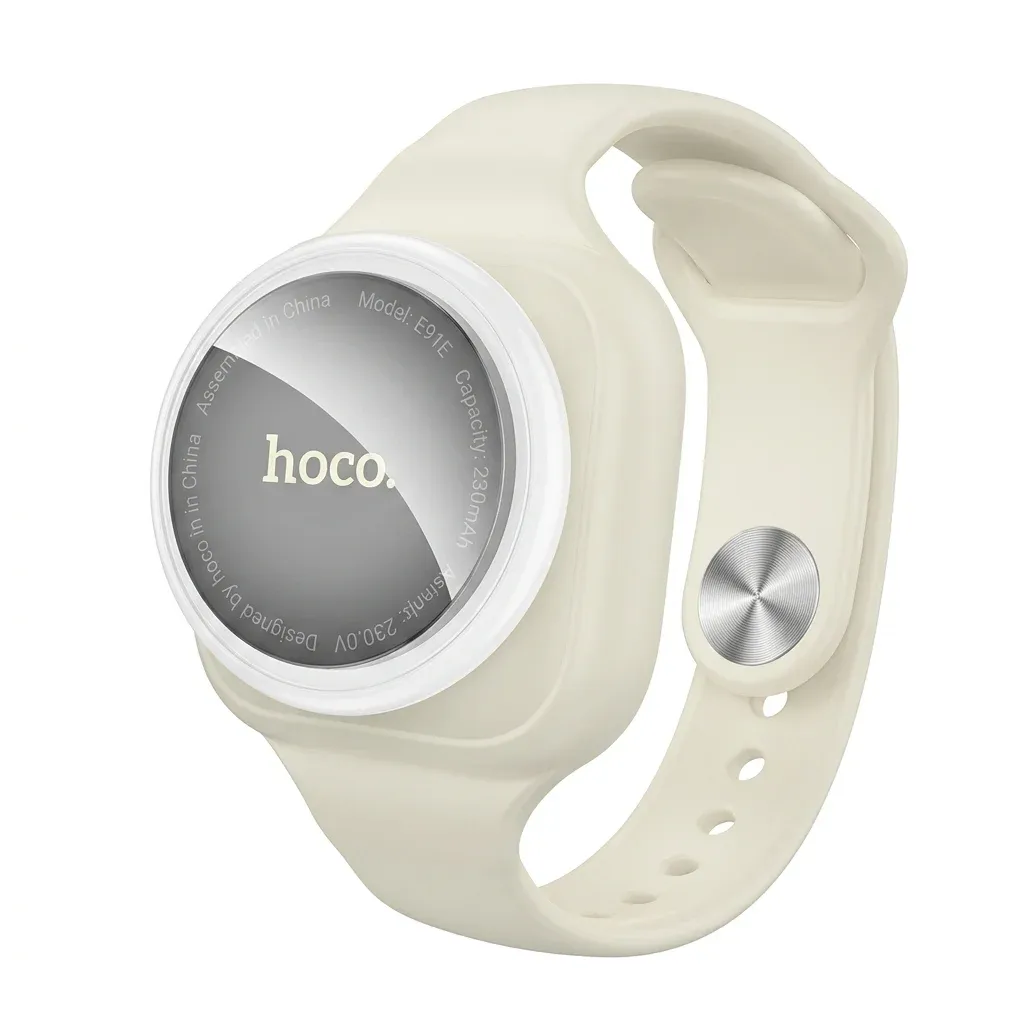
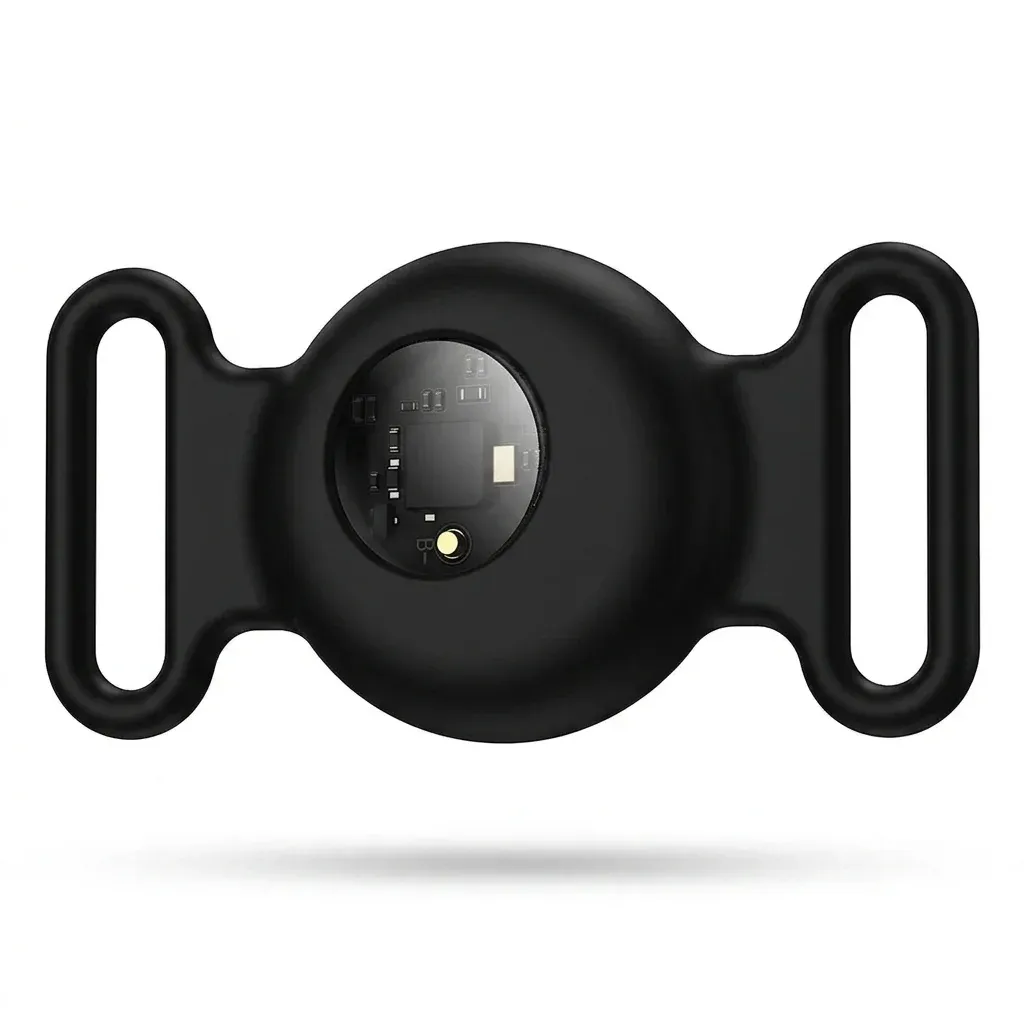
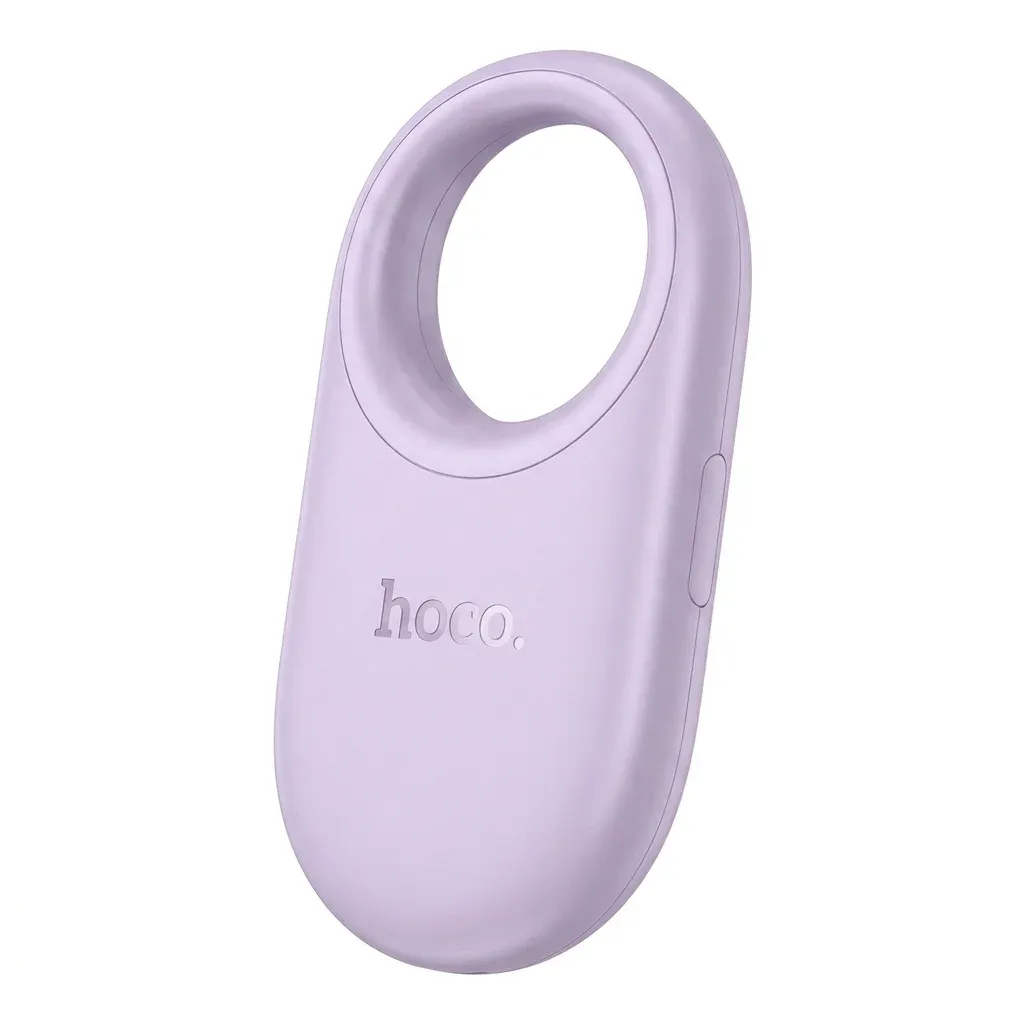
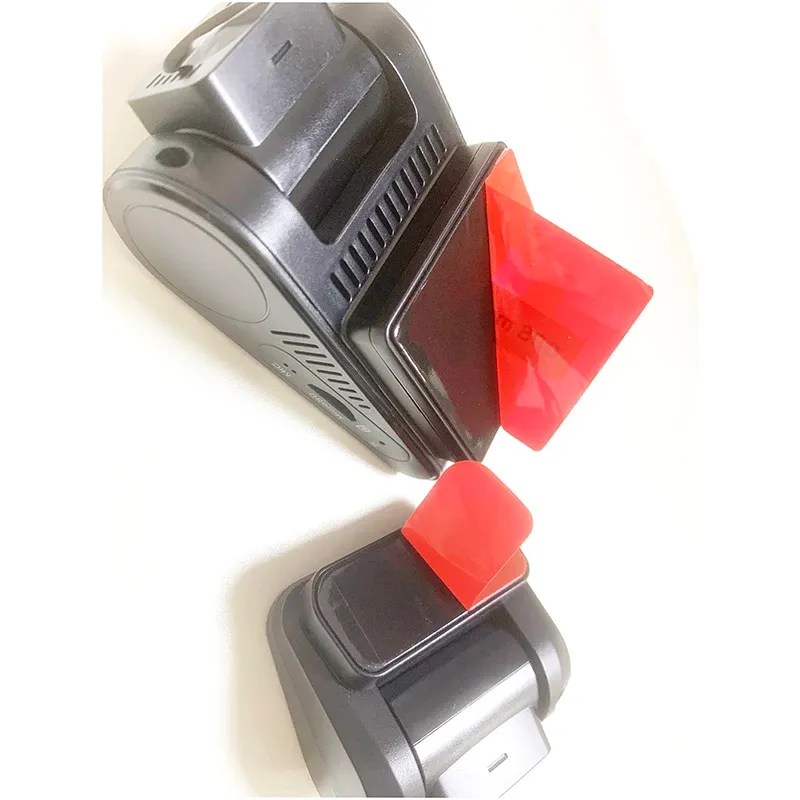
Why car GPS trackers feel different from other car accessories
A car tracker changes what you feel after you lock the door. Instead of replaying where you parked or wondering whether the car moved, you can open an app and see a clear location pin, recent route history, and alert activity in moments.
This category is built for real driving routines. It is not about random gadgets. It is about visible control when the vehicle is out of sight, whether it is parked downtown, left at the airport, or shared with a family member during the week.
If you already browse Car Accessories, you know most tools improve the cabin or the drive itself. GPS trackers solve a different problem. They help you monitor the car between trips. And that raises one big question. Which tracker style actually fits your routine?
Choose the right tracker style for how your car lives
Magnetic trackers for flexible hidden placement
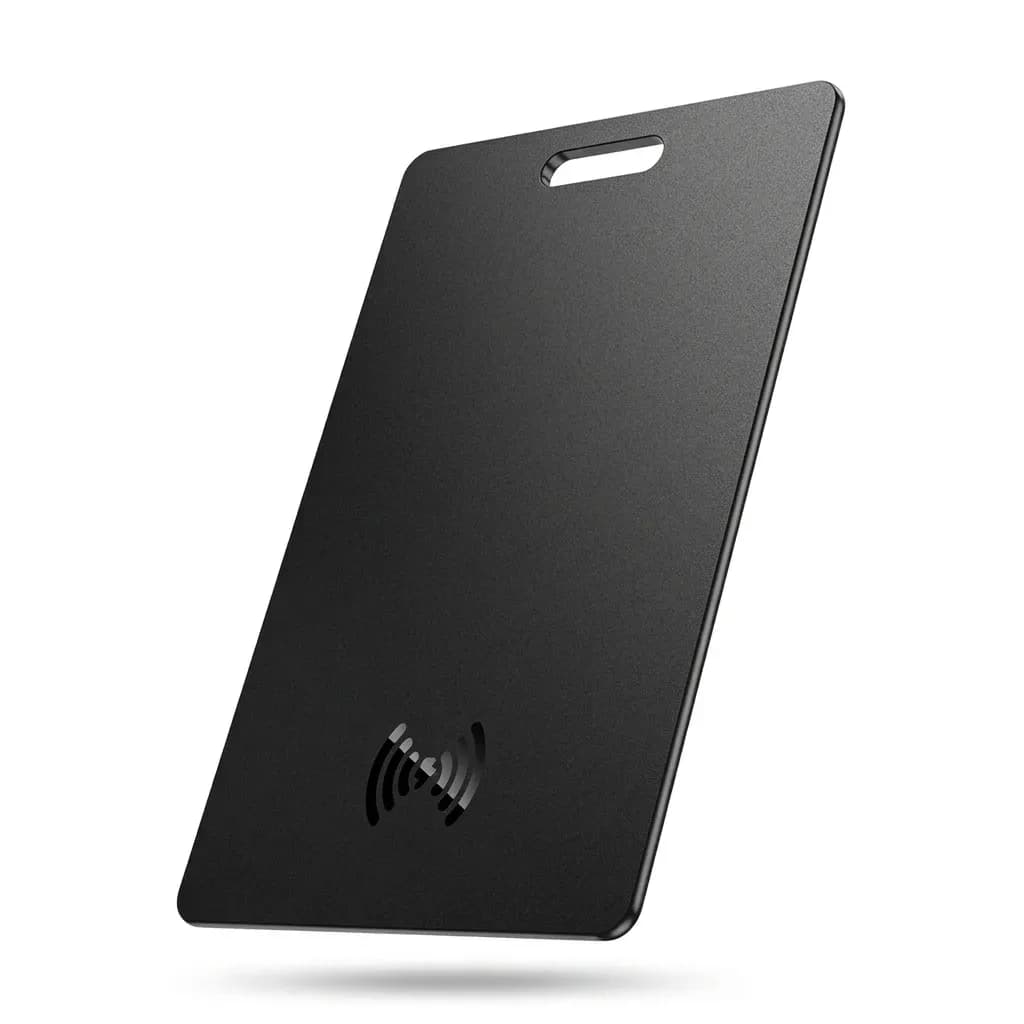
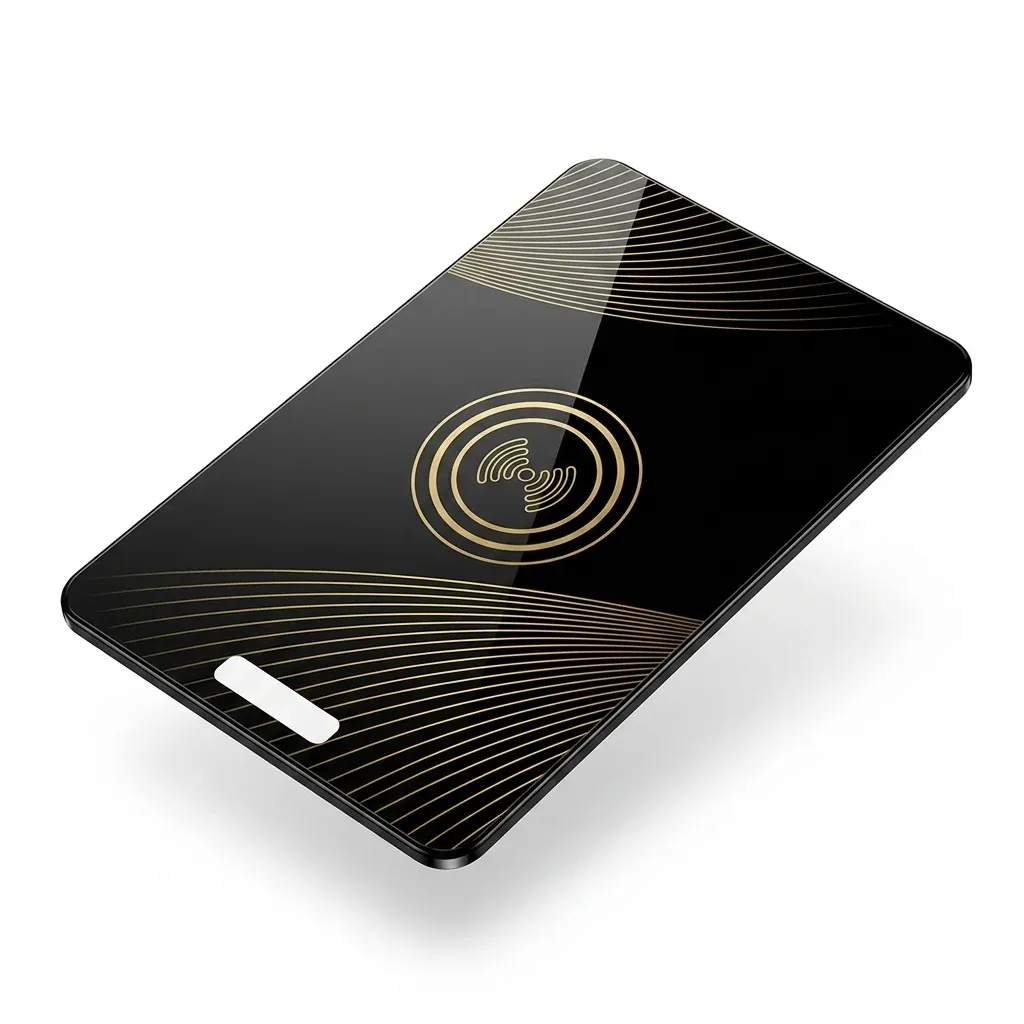
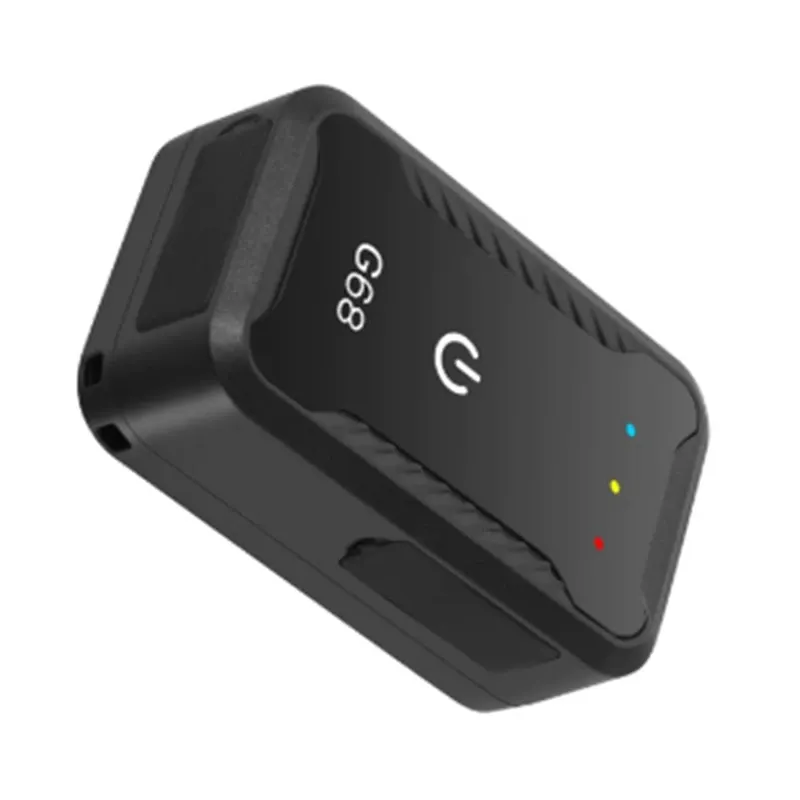
A magnetic car tracker with app for vehicle monitoring works well when you want quick setup and discreet placement. You can position it under a metal surface, check the fit, and move it later if your parking habits change.
This option feels simple and low effort, as installation is fast. It suits drivers who want a hidden GPS tracker for car on the Chinese marketplace without opening panels or touching wiring. Still, battery planning matters. Small size looks neat, yet power life shapes the real experience.
Wired trackers for steady daily monitoring
A wired GPS tracking device for cars with alerts makes sense for drivers who want a more fixed solution, as direct power can support longer use without frequent charging habits. That means fewer interruptions and a steadier sense of control.
This style often appeals to overnight parkers, commuters, and anyone watching movement history closely. If you want the car to stay visible day after day, wired units can feel more dependable in practice. But where should you place one so it stays discreet and still reports well?
Plug in trackers for easy access
Plug in options are popular for drivers who want a fast start, as setup can feel more familiar. You connect the unit, pair the app, and begin checking location with less guesswork.
They are useful for shared cars and family use, especially when you want simple access for occasional checks. A vehicle tracking device for family car use should feel easy to read, not like a chore hidden inside a menu maze.
Mini locators for parked car checks
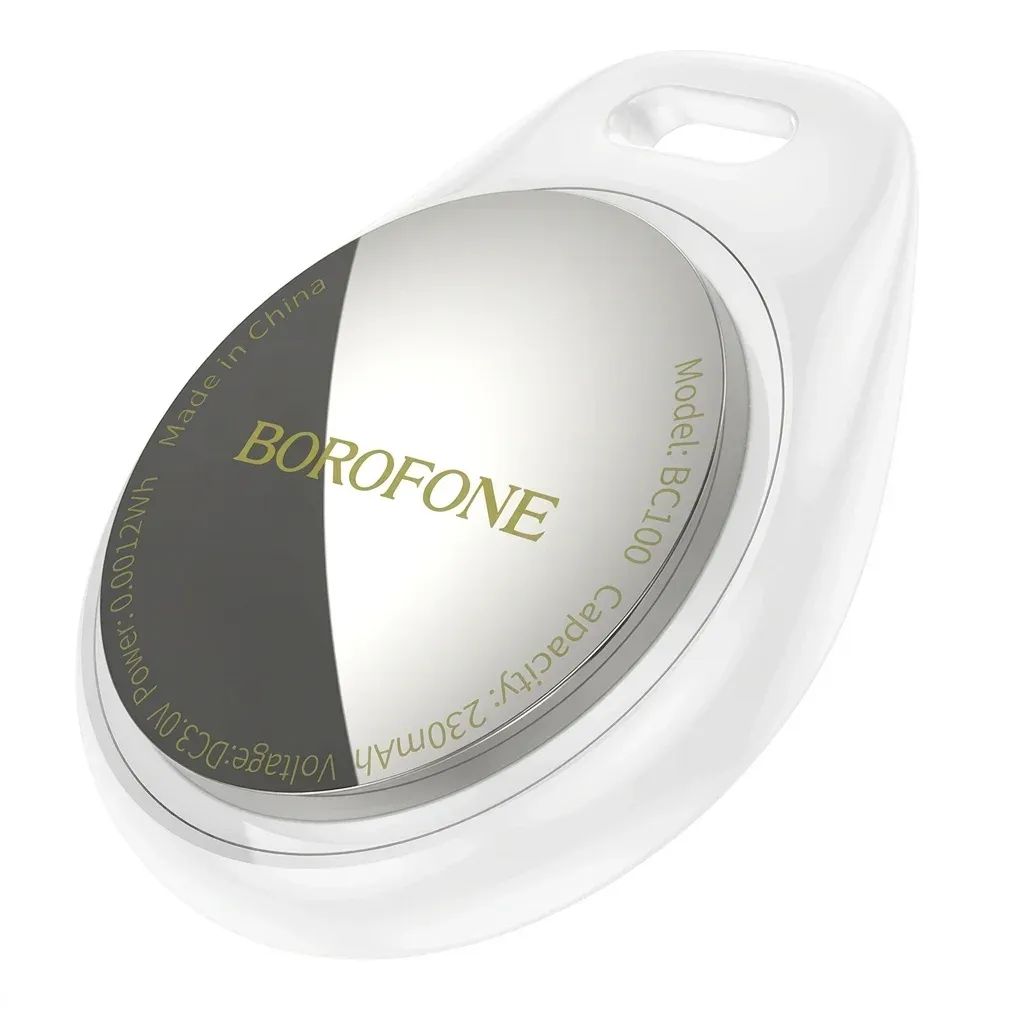
A mini GPS locator for parked car on the platform can be handy when your main goal is finding the vehicle in crowded lots. The appeal is obvious. You step out of a store, glance at your phone, and stop wandering row after row.
Small units can feel clever and discreet, as they tuck away easily. Yet tiny size alone is not enough. Signal quality, app clarity, and update style matter just as much.
What to check before you choose
Power style
Always start with power. A tracker can look perfect on screen and still frustrate you later, as battery life may not match your real routine. If you hate frequent charging, a wired model may fit better. If you want flexibility, magnetic battery units may feel easier.
App visibility
The best GPS tracker for cars with phone app should feel easy at a glance. You want a clean map, readable alerts, and quick movement history. Good tracking is not only about hardware. It is also about whether the app feels calm and clear when you need answers fast.
Update style
Not every tracker shows motion the same way. Some focus on periodic location pings. Others are better for a real time car GPS tracker from AliExpress experience. If you expect live movement and choose a delayed update model, disappointment arrives quickly.
Placement conditions
Hidden placement sounds smart, as it can reduce visibility to others. But the tracker still needs workable signal conditions. A poorly chosen spot can weaken reporting or make charging awkward. The sweet spot is discreet, secure, and practical to maintain.
Costly mistakes to avoid when choosing car trackers
Some mistakes look small at first and turn expensive in time, stress, and missed alerts. This is where many shoppers lose confidence.
- Choosing only by size and ignoring battery life. A tiny tracker can feel sleek, as it hides easily, but frequent charging can turn daily use into a nuisance.
- Skipping app and network checks. A tracker may sound advanced, yet poor app fit can make every location check feel slow and clumsy.
- Assuming all trackers are live. Many drivers expect instant movement views, as that is what they imagine from modern tracking, but some models update less often.
- Hiding the device in a signal poor spot. Concealment helps, yet weak placement can reduce location quality or delay updates.
- Picking a setup that does not match your routine. A simple plug in unit may be enough for family sharing, while overnight street parking may call for a more stable option.
These details matter, as the real goal is not owning a tracker. The real goal is feeling calm when the car is out of sight.
How GPS trackers fit into a smarter car setup
Tracking works even better when the rest of your vehicle setup supports awareness and convenience. Many drivers pair location tools with other categories that make daily driving smoother.
For recorded road visibility, explore Dash Cams. For easier charging during long drives, see Car Chargers. If you rely on navigation and app checks, Car Phone Holders keep the screen steady and visible.
Parking confidence can also improve with Backup Cameras, while cabin order is easier with Car Organizers. If you want a broader look across the platform, return to Car Accessories or browse Bestsellers and Deals for fresh finds.
Who this category suits best
This collection suits drivers who park in large lots, lend a car to relatives, leave a vehicle overnight, or simply want a cleaner sense of control. A car anti theft GPS tracker with live location can feel reassuring, as unexpected movement becomes easier to spot and check.
It also suits practical shoppers on the Chinese marketplace who want guidance, not noise. The goal is matching tracker type to habit. Daily commuter. Family car. Weekend vehicle. Long term parking. Each use case points toward a different sweet spot.
That is why this page focuses on real use, real placement, and real alert habits. Once you know which style fits your routine, the whole category becomes easier to navigate. And one final detail can make the difference between a tracker that sits in a drawer and one you rely on every week.