






Choose a multimeter by the test you actually need to run
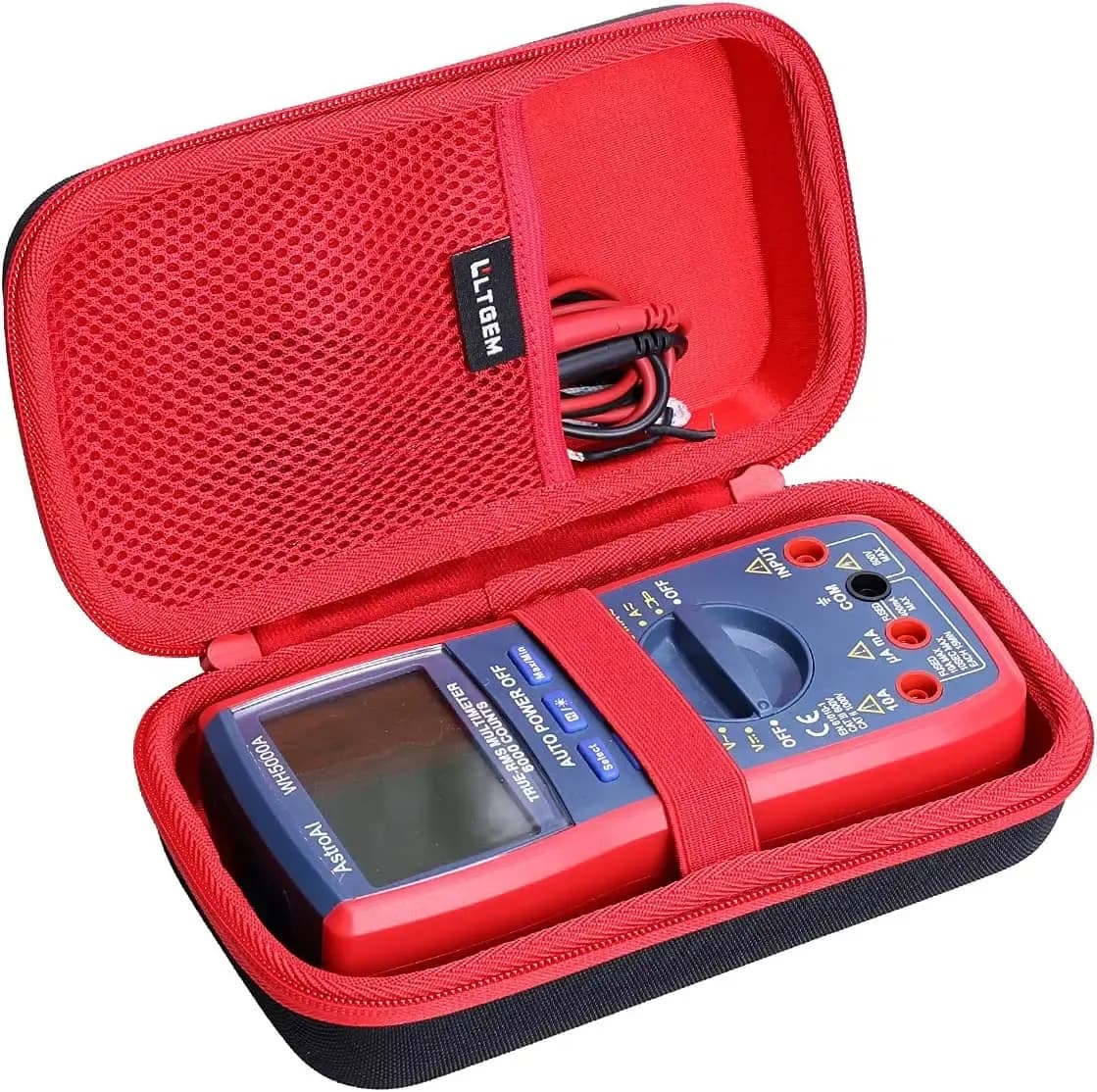
A multimeter is not just another hand tool. It helps you read what your eyes cannot see, so voltage, resistance, continuity, and battery condition stop feeling like guesswork. That matters before any repair starts, as the right reading can tell you what is live, what failed, and what still works.
On the Chinese marketplace, the smartest choice usually starts with the moment in front of you. Are you checking a wall outlet in the kitchen. Testing a car fuse in the garage. Tracing a weak battery. Probing a small hobby board under a bright desk lamp. Each situation asks for a different balance of safety, clarity, and control.
That is why this category focuses on real testing scenes, not just long feature lists. Once you match the meter to the job, the display feels easier to read, the beeps feel more helpful, and your next step feels more certain. So which type fits your workbench best?
Best multimeter types for home, car, and electronics work
For household checks
A digital multimeter for household electrical testing should feel calm and readable in the hand. Look for a stable screen, simple dial layout, and safe multimeter for outlet voltage checks, as household power needs stronger protection than low voltage gadgets.
Auto ranging helps many people here, as it removes one layer of hesitation. Instead of second guessing the range, you can focus on the numbers on the display and the condition of the outlet, switch, or appliance cord.
For car battery and fuse testing
A multimeter for car battery and fuse testing should respond quickly and stay easy to read in uneven garage light. Backlit displays help here, as dim cabins and engine bays can make small digits frustrating.
Continuity testing also matters. That quick beep gives fast feedback you can hear without staring at the screen every second, which makes fuse checks and wire tracing smoother.
For electronics and bench work
An electronic multimeter for circuit troubleshooting needs sensitivity and control. Small circuits often call for steadier readings, fine probe placement, and a compact body that does not feel clumsy near delicate components.
If you also handle board repairs, you may want to explore Soldering Kits and 3D Printer Parts. Many shoppers also pair a bench setup with Desk Lamps for clearer visibility during close work.
Features that feel useful in real life
Auto ranging
An auto ranging multimeter for beginners feels less intimidating, as it reduces setup friction. You turn the dial to the right function, touch the probes, and focus on the result instead of wrestling with settings.
Continuity test
A multimeter with continuity test and backlit display is one of the most practical combinations for everyday troubleshooting. The audible beep is fast reassurance, as you can hear circuit connection without constantly shifting your gaze.
Backlit display
Bright digits matter more than many shoppers expect. A clear screen helps in basements, behind appliances, inside cars, and near breaker panels, as poor visibility can turn a simple check into an annoying stop and start routine.
Probe quality and grip
Good probes feel steadier in the fingers. That tactile control matters when you are touching small contacts or awkward terminals, as slippery leads can make even a good meter feel unreliable.
If your repair kit is still growing, you may also want to compare Screwdriver Sets, Electric Screwdrivers, and Hand Tools. The platform makes it easier to build a practical setup around the meter you choose.
Costly mistakes to avoid when choosing AliExpress multimeters
The wrong meter can waste time, create doubt, and push you toward the wrong repair decision. That is why this step matters more than the price tag alone.
- Choosing the cheapest model only. This can lead to dim screens, weak probes, and readings that feel shaky right when accuracy matters most.
- Ignoring safety category and use case. A meter for tiny circuits is not always the right tool for household mains checks, as outlet testing demands stronger protection.
- Falling for long feature lists. Fancy extras sound impressive, yet basic readability, continuity speed, and probe comfort often matter more in daily use.
- Skipping backlight and button size. Tiny controls and dull displays can make routine checks feel slow and irritating, especially in garages or utility spaces.
- Picking advanced functions you will never touch. Many users do better with a compact multimeter for home toolbox use, as simple tools often get used more confidently.
On AliExpress, tempting low prices can pull attention fast. Yet a multimeter is a diagnostic tool first, as trust in the reading shapes every repair decision that follows. And one more detail often gets overlooked until the first real test.
How to match your skill level to the right meter
Beginners
Start with an auto ranging multimeter for beginners if you want less friction. Simple dials, clear labels, and a bright display help you move with steadier hands, as the tool feels more cooperative from the first use.
DIY homeowners
Choose a handheld multimeter for DIY repair work if your tasks include outlets, appliance checks, extension cords, switches, and batteries. These models balance portability and everyday usefulness, as they fit naturally into a home toolbox.
Garage and car users
Focus on battery voltage, fuse continuity, and easy low light visibility. If your routine includes other vehicle checks, you may also like Backup Cameras, Car Chargers, and Dash Cams.
Electronics hobbyists
Look for stable low voltage readings, responsive continuity, and a body that feels controlled near compact boards. Many bench users also browse USB Hubs and Portable Monitors to support a cleaner work area.
Why multimeters come before the repair
Screwdrivers turn fasteners. Soldering tools join components. Laser levels guide layout. A multimeter does something earlier and often more important. It tells you whether the problem is truly there.
That diagnostic step saves effort, as you can avoid replacing the wrong part or opening the wrong panel. The reading gives you a visual anchor, the continuity tone gives you audible feedback, and the grip of the tool gives you a steadier physical sense of control.
In other words, this is the tool that helps the rest of your tools work smarter. Once you know what the circuit is doing, the next move becomes clearer. So what should you look at first when two meters seem similar?
The fastest way to narrow your choice
- Choose household focused models for outlet and appliance checks.
- Choose car friendly models for battery and fuse work.
- Choose compact sensitive models for electronics benches.
- Prioritize backlit displays and continuity for everyday convenience.
- Do not treat low price as the main signal of value.
The marketplace offers plenty of options, yet the best fit usually becomes obvious once you picture your next real test. A wall outlet. A dead fuse. A weak battery. A silent circuit. Start there, and the right meter feels easier to spot.