




Choose a heat gun by the job, not by the watt number
Heat guns look similar in photos, yet they behave very differently once hot air meets real material. One tool may feel smooth and steady on shrink tubing, while another blasts too hard and turns detail work into a nervous guessing game.
This collection on the Chinese marketplace is arranged around real workshop tasks first. That matters, as the best result usually comes from matching heat range, airflow, and nozzle shape to the material in front of you.
If you want the best AliExpress heat gun for DIY and repair jobs, start with what you actually plan to soften, loosen, dry, shrink, or shape. That simple shift can save time, protect surfaces, and make every pass feel more controlled. But which task type should guide your choice first?
Match the tool to the material
For shrink wrap and tubing
A heat gun for shrink wrap and tubing should deliver focused heat without wild airflow. You want to see the sleeve tighten evenly, hear less harsh blasting, and feel that you can move slowly around wires and connectors without scorching nearby parts.
Choose a model with adjustable temperature and narrow nozzle support, as precision matters more than raw force for this kind of work. If you also handle wiring, you may want to explore soldering kits and multimeters for a more complete repair setup.
For paint removal
A hot air gun for paint removal needs stronger heat and airflow that can keep stubborn layers soft long enough to scrape cleanly. The right tool helps old coatings lift in satisfying sheets instead of forcing you into repeated passes.
Look for broader temperature coverage and a grip that stays comfortable during longer sessions, as paint stripping often takes patience and steady hand control. If you work on renovation tasks, nearby essentials in hand tools and screwdriver sets can help finish the job neatly.
For vinyl, crafts, and detail work
A compact heat gun for crafts and vinyl should feel light, balanced, and easy to angle into corners. You want the surface to relax and conform, not wrinkle, gloss over, or overheat in one loud burst.
Smaller bodies and gentler airflow often feel better here, as detail work rewards finesse. If your projects blend heat work with layout accuracy, take a look at laser levels for cleaner alignment.
For plastic bending and drying
When shaping plastic or speeding up drying, steady heat matters more than headline power. A heat gun for plastic bending and drying should warm the area gradually enough that the material becomes workable without sudden collapse or surface damage.
Choose models with multiple heat steps or finer adjustment, as controlled softening gives you a smoother finish and fewer wasted pieces.
What features actually matter in real use
Adjustable temperature
An AliExpress heat gun with adjustable temperature gives you more than numbers on a listing. It gives you confidence. Lower settings can help with vinyl, crafts, and electronics, while higher settings can tackle paint, adhesives, and tougher workshop tasks.
That flexibility matters, as different materials react at different speeds. A tool that lets you tune the heat can feel calmer in the hand and more professional on the surface.
Airflow control
Airflow changes how heat lands. Too much air can push warmth away from a tiny target or flutter light material. Too little air can slow larger jobs and make progress feel sticky and uneven.
For a portable heat gun for electronics and repair, moderate airflow is often easier to manage, as it keeps heat where you aim it. For stripping or drying, stronger airflow may help cover broader areas faster.
Nozzle options
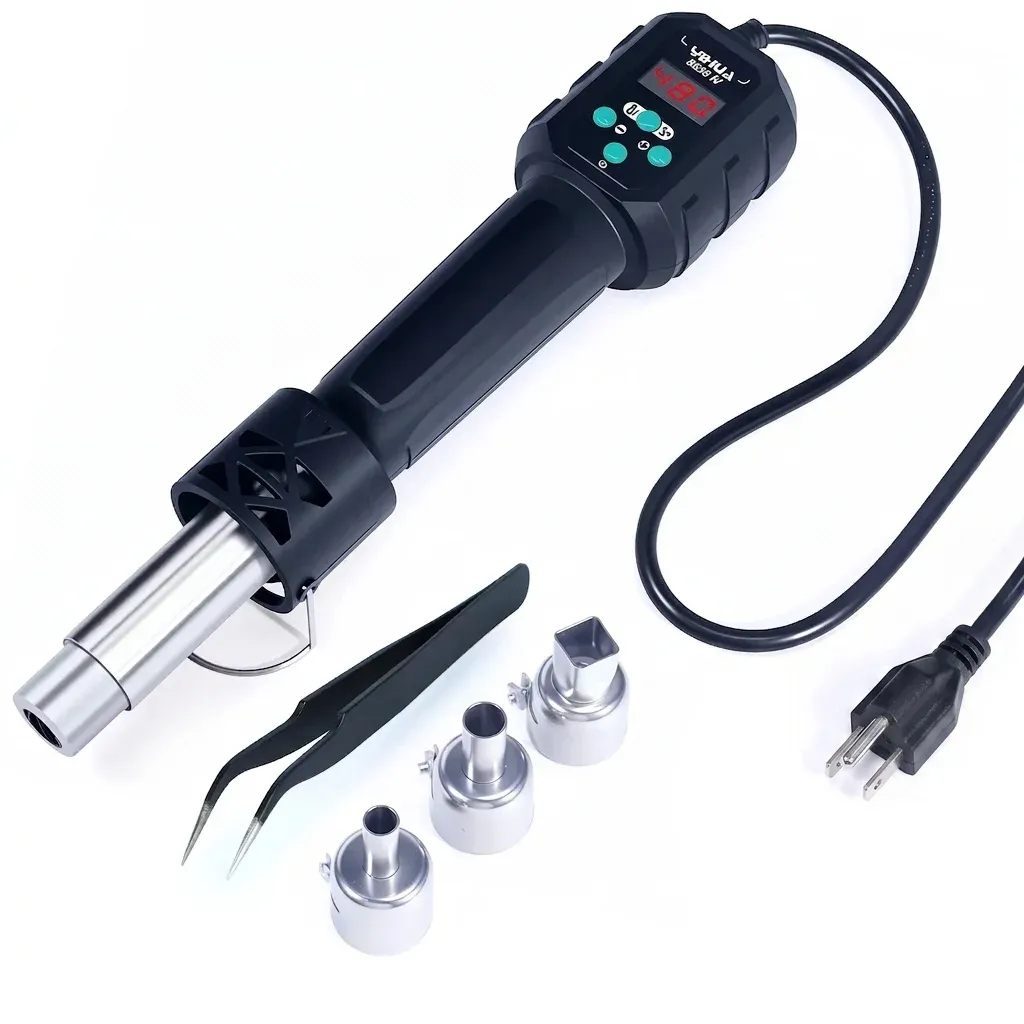
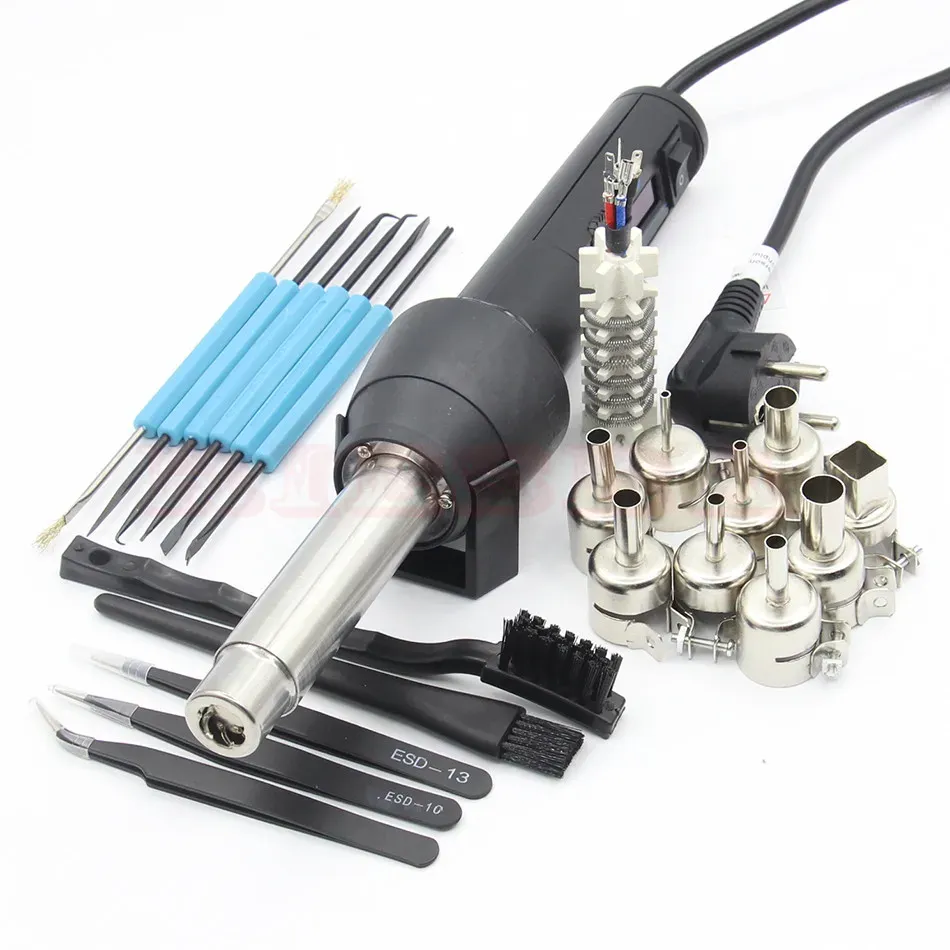
A professional heat gun with nozzles can feel like several tools in one. Concentrator nozzles help with tubing and detail work. Wider nozzles can spread heat across larger surfaces. Reflector styles are especially useful around round materials.
Attachments matter, as the nozzle often decides whether the result looks clean or careless. On the retail platform, this is one of the easiest details to overlook in product photos.
Grip and balance
Weight distribution matters more than many shoppers expect. A bulky tool can feel acceptable for one minute, then awkward and tiring during longer work. Better balance helps your wrist stay steady and your passes stay even.
That is especially important for a dual temperature heat gun for home projects, as home use often jumps between quick fixes and longer sessions. And one common mistake can quietly ruin that experience.
Costly mistakes to avoid when choosing heat guns
The most expensive mistake is choosing by wattage alone. Watt numbers look impressive, yet they do not tell you how stable the heat feels on real material, as internal design and airflow shape the actual performance.
- Ignoring airflow settings. High blast can scorch light materials or scatter heat away from small repair points.
- Skipping nozzle compatibility. The wrong attachment can make tubing, corners, and edges frustratingly messy.
- Choosing a heavy body for detail work. Hand fatigue builds fast, and accuracy drops with it.
- Assuming one setting fits every task. Materials respond differently, as vinyl, paint, plastic, and wiring all need different heat behavior.
These mistakes matter on AliExpress listings, as photos often highlight accessories and watt figures more than real handling. Reading for temperature options, airflow control, and included nozzles usually leads to a smarter choice.
Which heat gun type fits your projects best
Choose compact models for precision
Go smaller if your work involves vinyl edges, craft materials, wire sleeves, or close range repairs, as a lighter body is easier to guide with confidence. The feeling is more like drawing a line than wrestling a tool.
Choose mid size adjustable models for mixed home use
For the widest flexibility, a mid size heat gun with adjustable temperature is often the sweet spot, as it can move from adhesive softening to shrink wrap to light paint work without feeling too specialized.
Choose stronger full size models for renovation and stripping
If you regularly remove paint, loosen old sealants, or dry larger surfaces, a bigger hot air gun for paint removal may suit you better, as broader coverage and stronger output can shorten repetitive work.
Many shoppers on the global marketplace also pair these tools with power tool accessories, electric screwdrivers, and tactical flashlights for workshop visibility and follow up tasks.
Build a smarter repair and workshop setup
A heat gun rarely works alone. If you handle electronics, wiring, and bench repairs, combine your choice with soldering kits and multimeters for better troubleshooting and cleaner finishing.
If your projects stretch into garage and vehicle work, you may also want car accessories or backup cameras for broader upgrade plans. The point is simple: the right heat tool makes the next step easier, cleaner, and less stressful.
Once you know your main task, your ideal temperature range, and the nozzle style you need, the right choice becomes much clearer. So what will make the bigger difference for your projects: more heat, or better control?