













Cleaner radio for Android head units
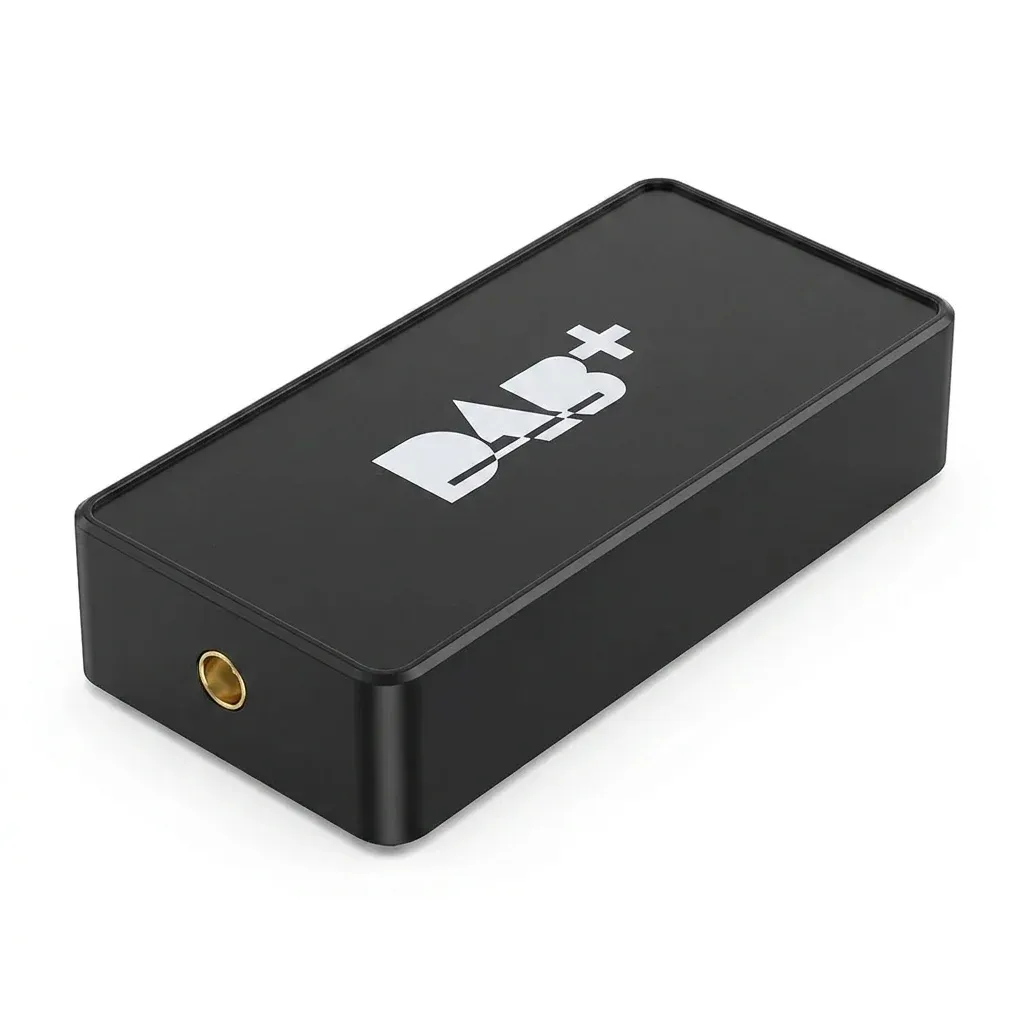
This box solves a familiar problem for Android car stereo owners: weak FM reception and limited station choice on the road. By adding DAB+ support, it gives the head unit access to digital broadcasts with a cleaner, more stable signal when local coverage is available.
At this level, the appeal is not flashy hardware but better everyday listening, especially for commuters who want less hiss and fewer dropouts. That makes the installation details and signal conditions more important than the badge on the box, so what should you check first?
What the USB-powered setup changes in daily use
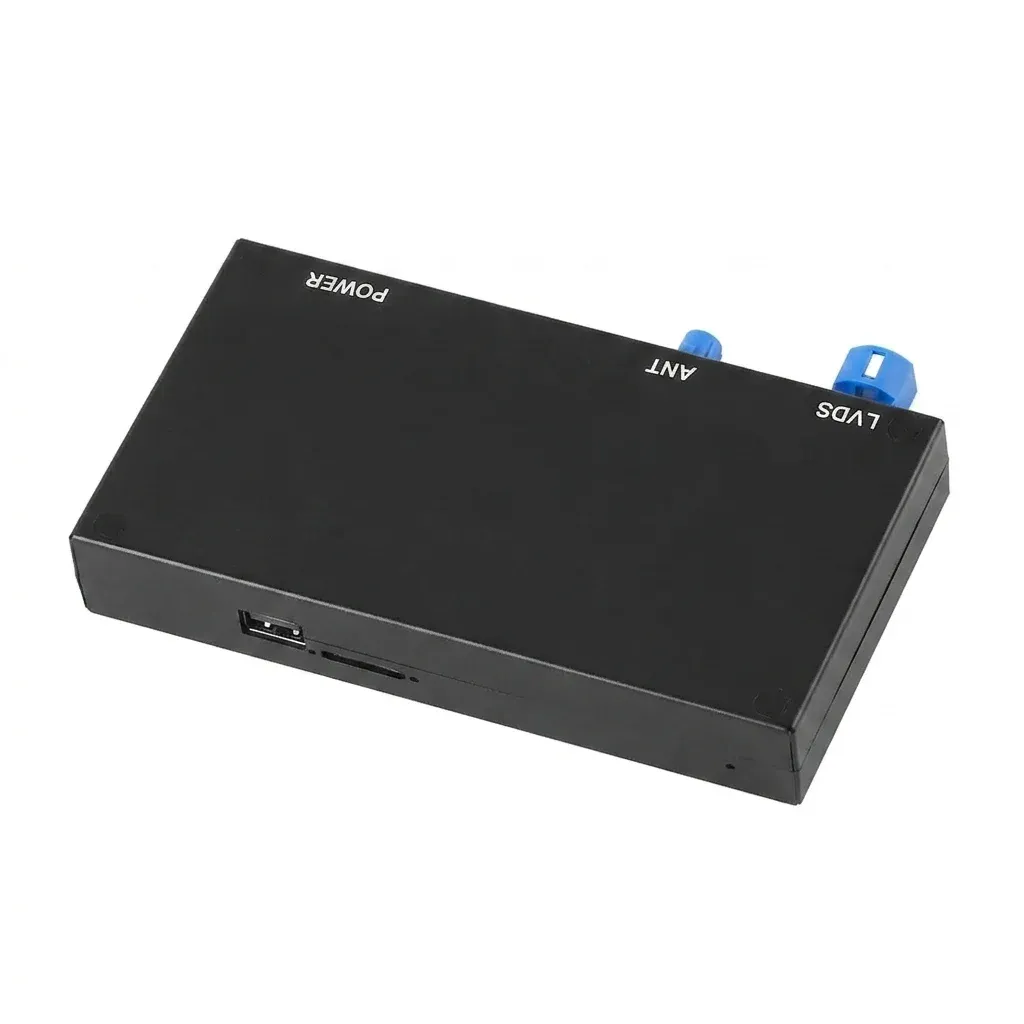
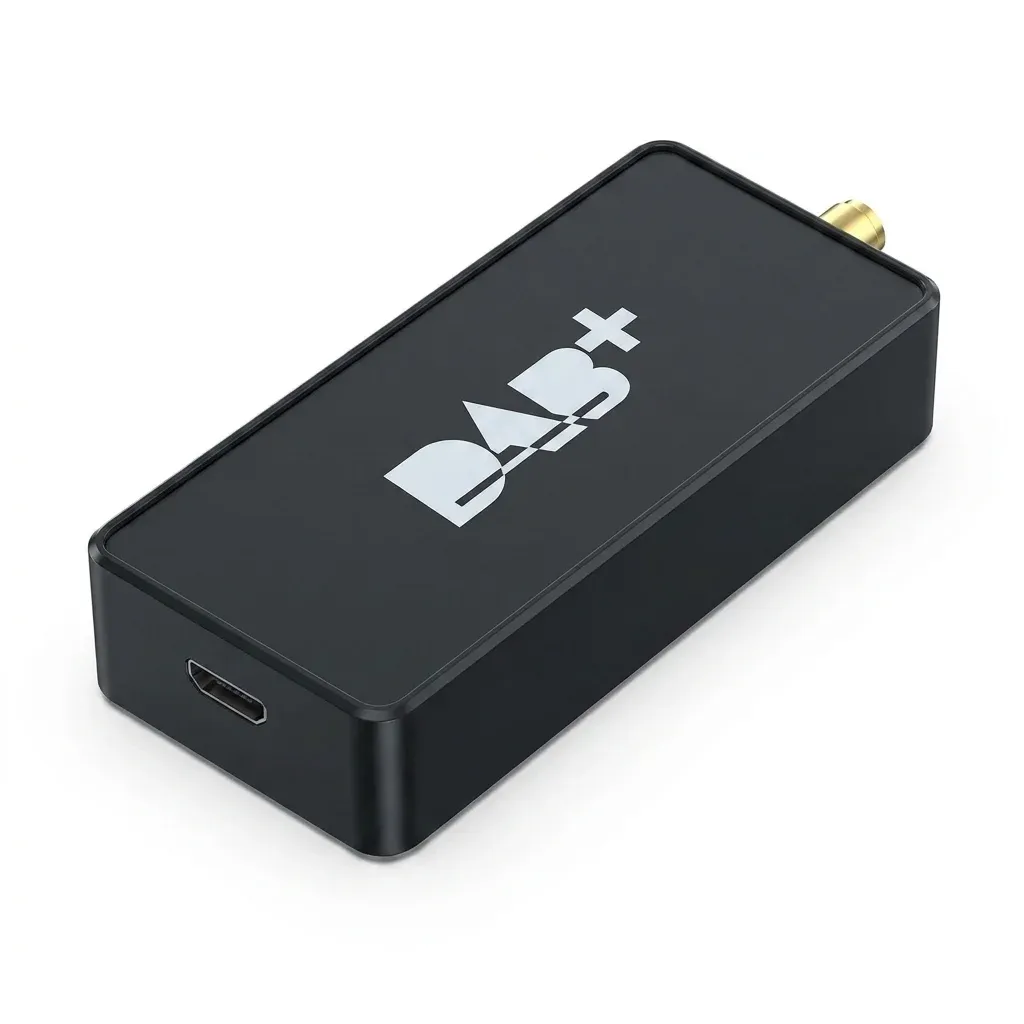
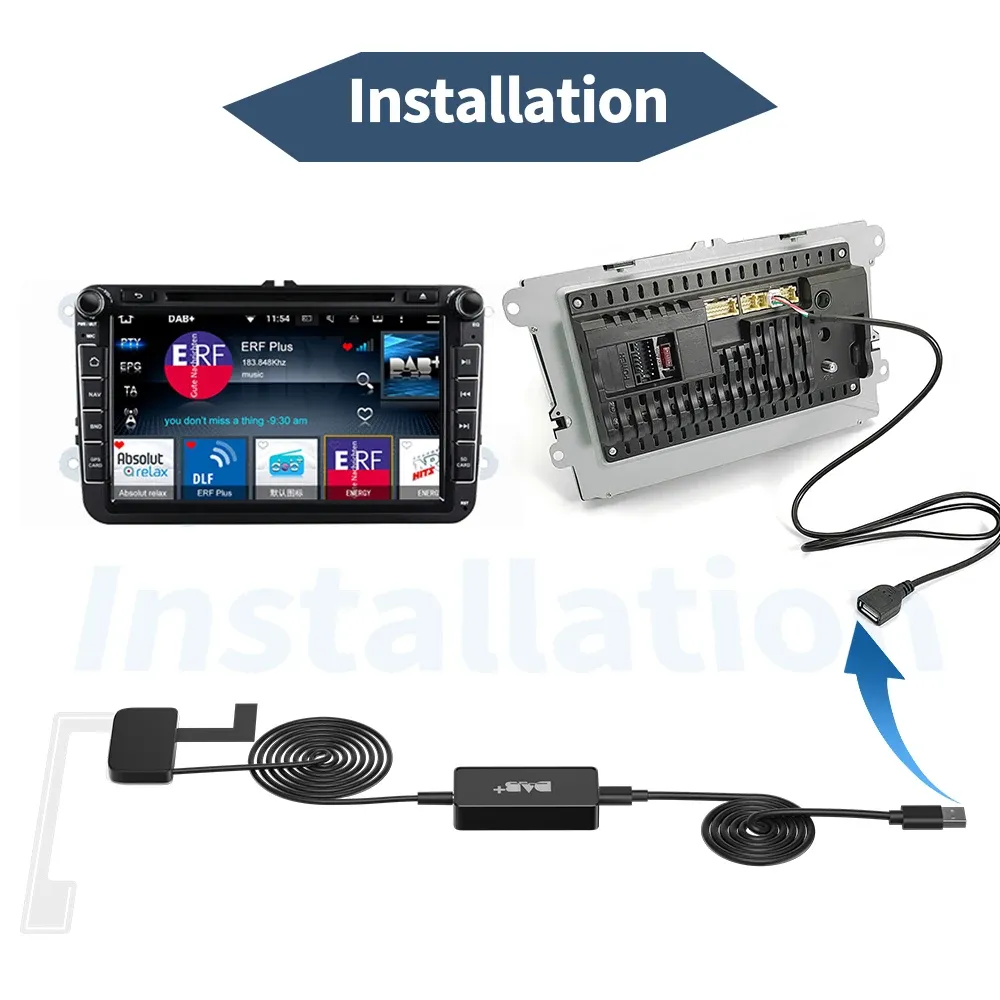
The unit is designed to run from the car stereo’s USB port, which keeps the install tidy and avoids a separate power adapter. That plug-and-play approach is useful if you want a reversible upgrade rather than a full head-unit replacement.
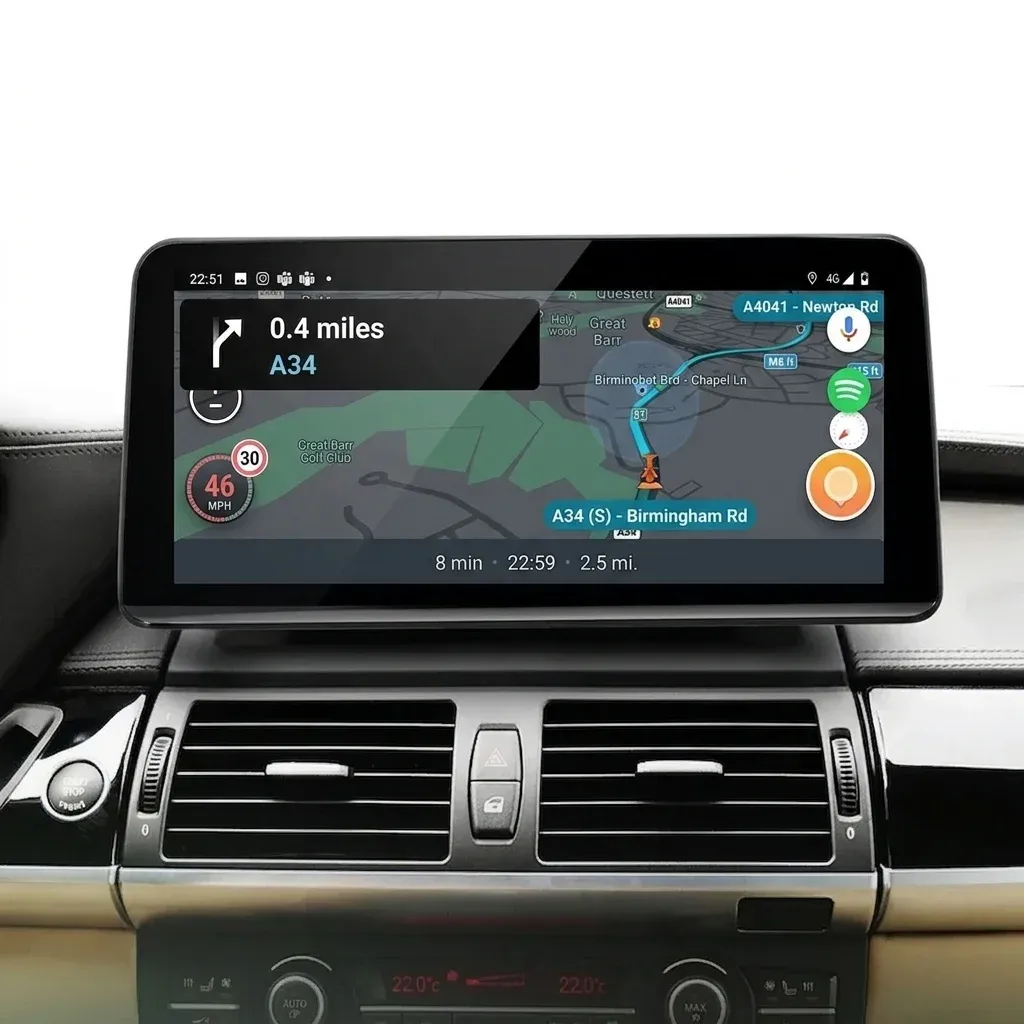
Users who already have an Android 5.1 or newer stereo should find the integration straightforward in many vehicles, though compatibility is not universal. The practical benefit is simple: once it is recognized, the radio module stays out of the way and behaves like a native feature, which is exactly what most retrofit buyers want.
Antenna quality matters more than the box itself
The included antenna uses an amplified design, and that matters because DAB+ performance depends heavily on signal strength and placement. In real use, a good antenna can be the difference between a crisp station list and a frustrating scan that finds very little.
This is also where the product’s biggest limitation appears: if your area has poor DAB+ coverage, the receiver cannot create signal that is not there. The seller’s own warning is worth taking seriously, because digital radio is only as useful as the local broadcast network, so coverage should be checked before the rest of the install.
Sound quality and reception: what users are likely to notice
When DAB+ works properly, the result is a cleaner stereo presentation with less background noise than traditional analog radio. That cleaner edge is the main reason many users switch, and it is especially noticeable during longer drives where radio fatigue becomes real.
Real customer feedback is broadly favorable, with the main praise centered on easy connection and value for the money, while a small number of reports point to recognition or packaging issues. That split suggests the hardware can be useful, but compatibility and quality control deserve attention before you rely on it every day.
Who this retrofit suits best
This is a sensible pick for Android head units in cars that already have decent DAB+ coverage and enough USB support for accessories. It is less compelling for drivers who expect universal compatibility, because the product depends on both the stereo software and the local broadcast environment.
For the right setup, it offers a low-cost path to digital radio without changing the dashboard, which is a strong value proposition at this level. If you are comparing it with a full infotainment upgrade, the smaller investment and easier install are the real draw, but the next question is whether your car is ready for it?