












Turns a Volvo Sensus screen into a modern phone hub
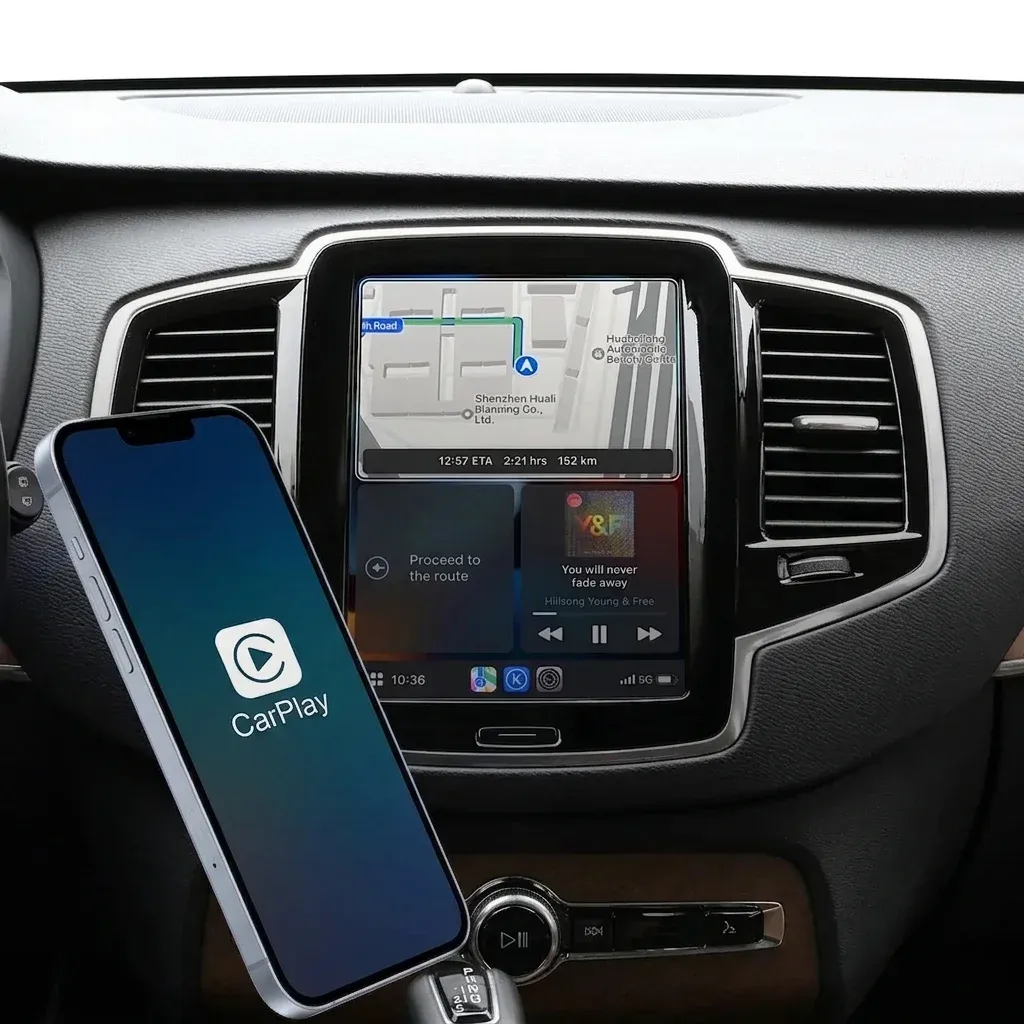
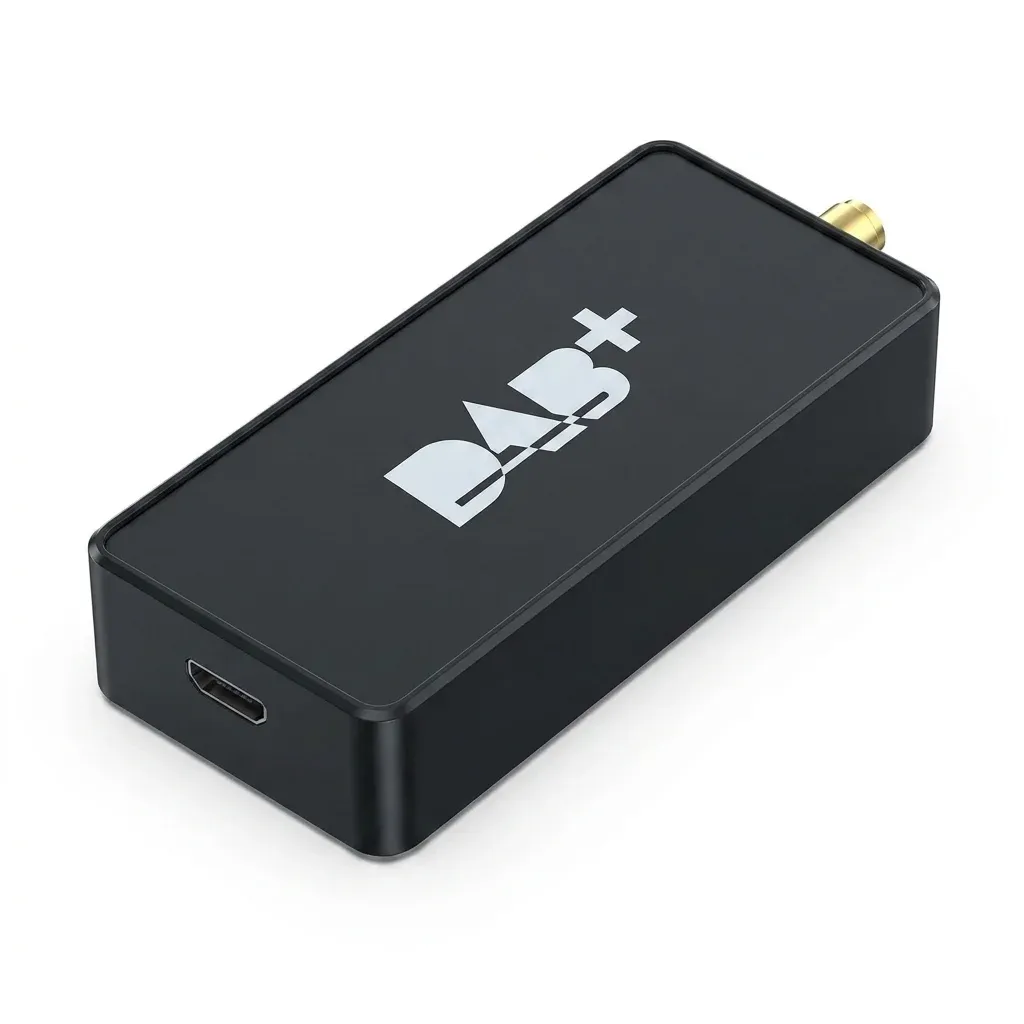
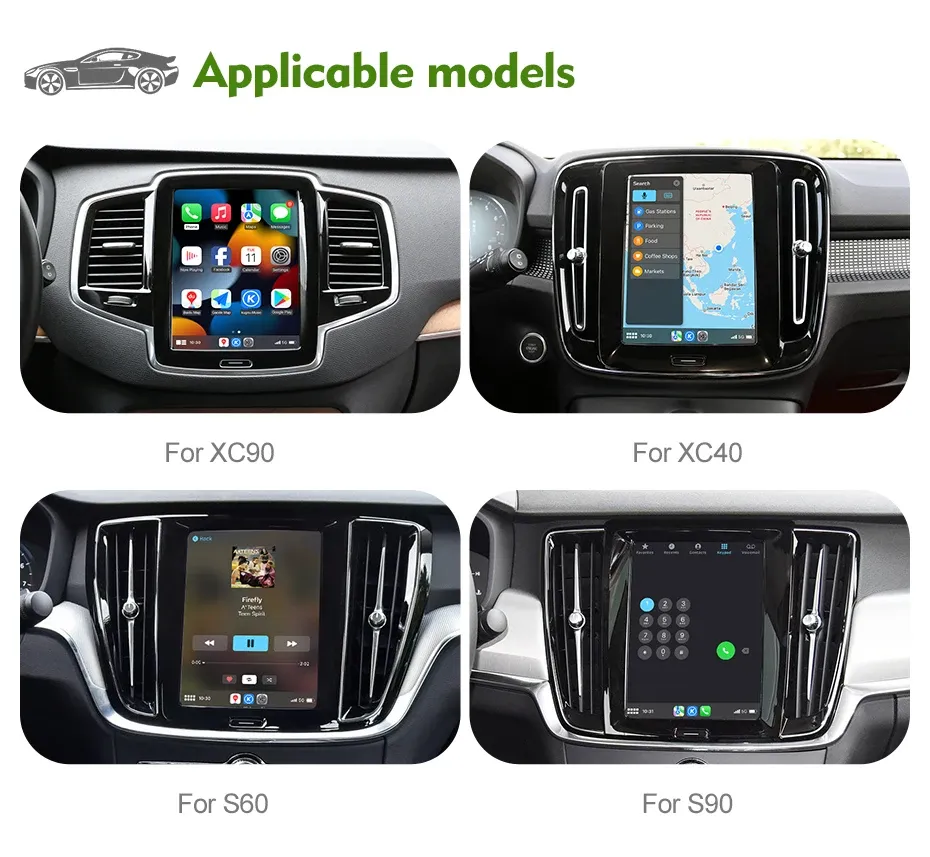
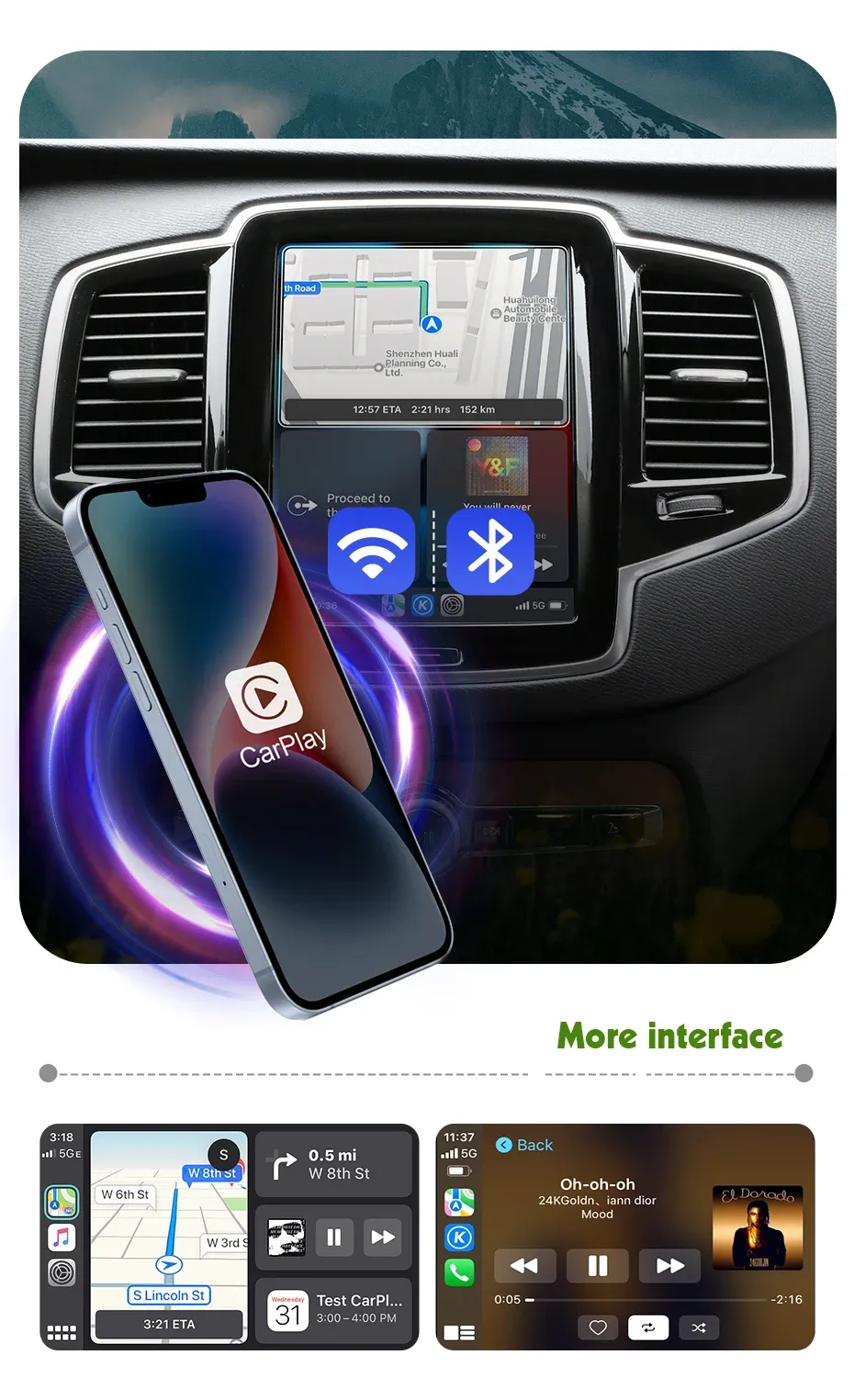
This module solves a familiar problem for XC90, XC60, XC40, S90, S60, V90, and V60 owners: the car still drives well, but the infotainment feels dated. ISUDAR’s adapter keeps the original screen and adds wireless CarPlay, Android Auto, and Mirror Link, so navigation and calls move from the phone to the dash in a cleaner way.
That matters because the upgrade preserves the OEM look while unlocking the apps most drivers use every day. Instead of replacing the head unit, you are extending the life of the factory system, which is a smarter path for leased cars and well-kept Volvos, so how well does it hold up in real use?
Full-screen integration is the main reason to consider it
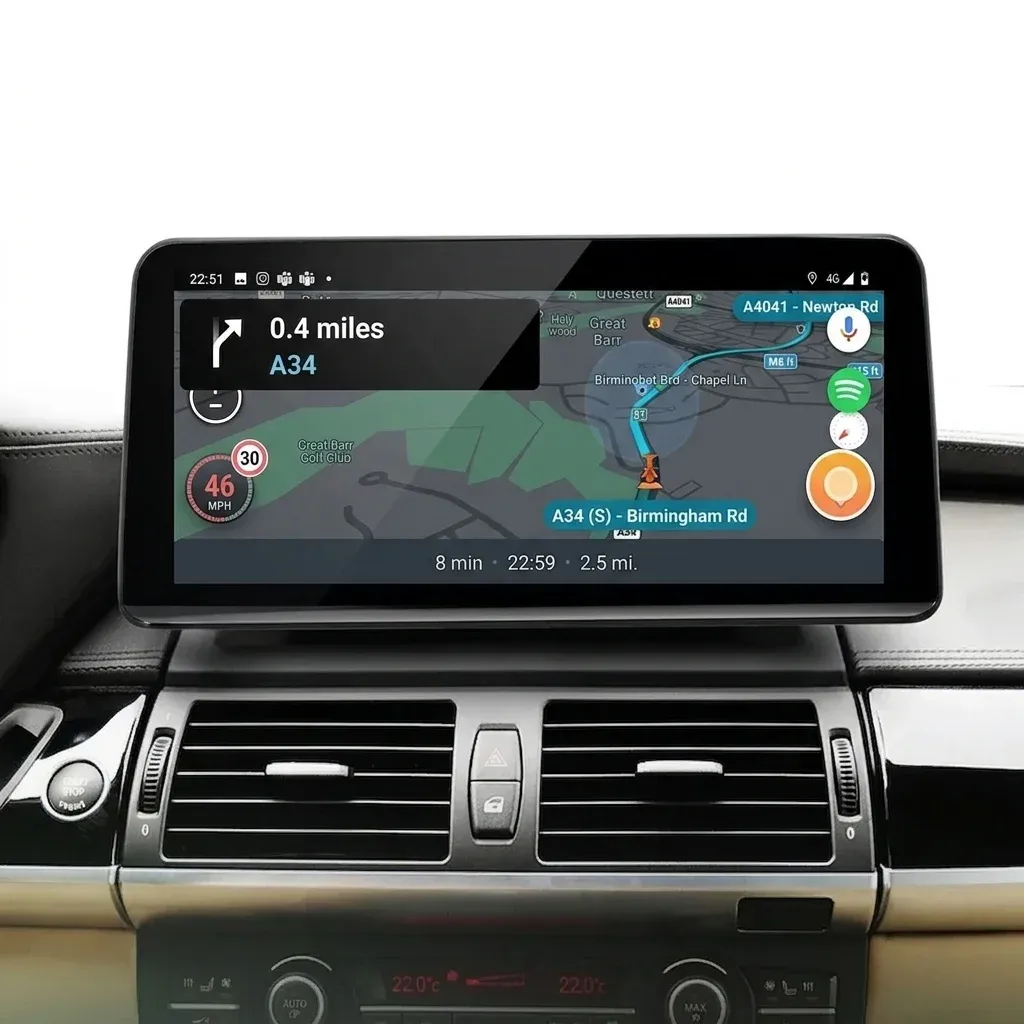
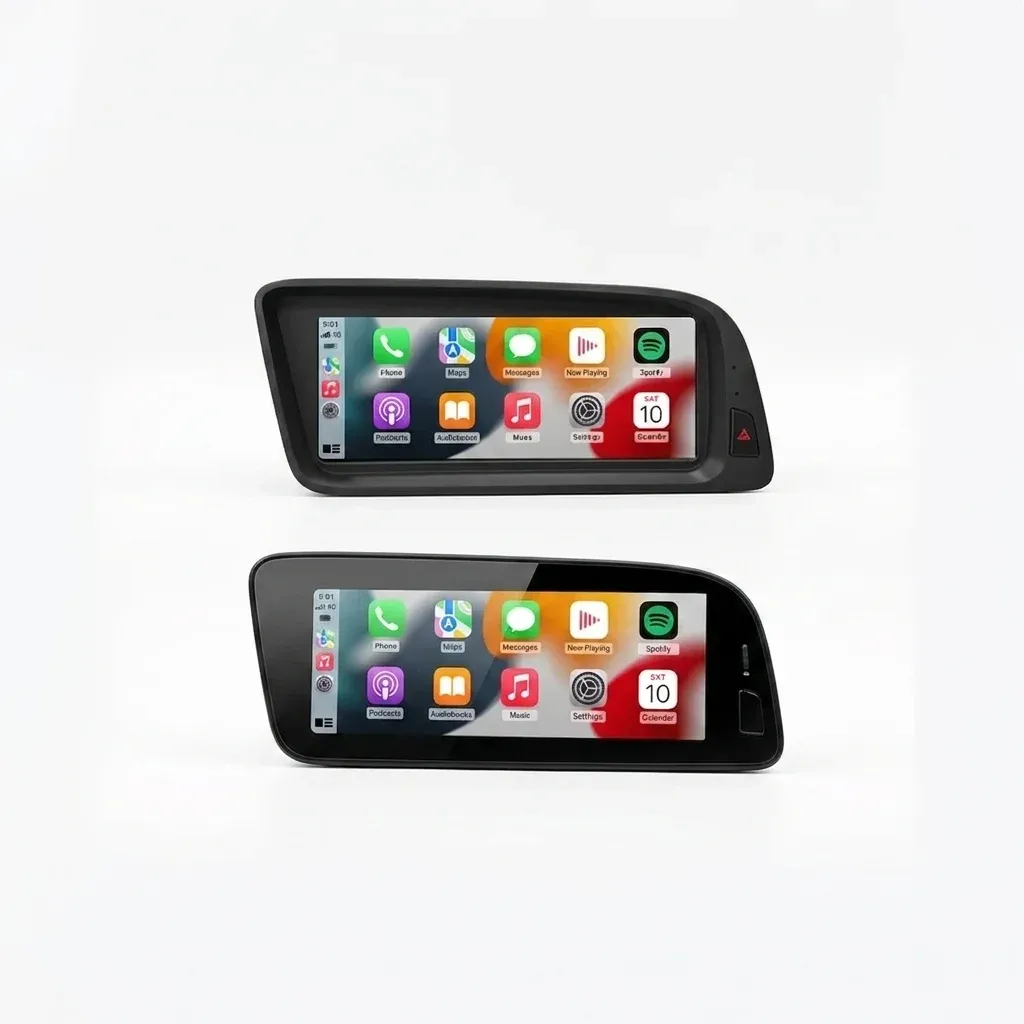
The headline feature is full-screen CarPlay display, and that is more than a cosmetic detail. On a wide Volvo center display, a full-screen layout makes maps easier to read at a glance and gives music, calls, and messages a more native feel than split-screen or mirrored layouts.
Users also report that Android Auto is usable and the screen stays sharp enough for daily driving, though one review notes that Android Auto can look blurry compared with CarPlay. If your priority is crisp navigation and a less cluttered interface, full-screen support is the feature that changes the cabin experience most, but what about the connection itself?
Wireless connection removes the cable routine
Wireless CarPlay support is the practical upgrade here because it cuts the plug-in step every time you start the car. For short city trips, that means the phone can stay in a pocket or bag while the system reconnects automatically, which is exactly the kind of convenience owners notice after a week of use.
Android Auto support broadens the appeal for non-iPhone drivers, and Mirror Link adds another compatibility layer for older app workflows. According to customers, connection switching is quick once installed, which suggests the module is tuned for daily commuting rather than occasional demo use, so installation quality becomes the next deciding factor.
Installation depends on the Volvo trim and console layout
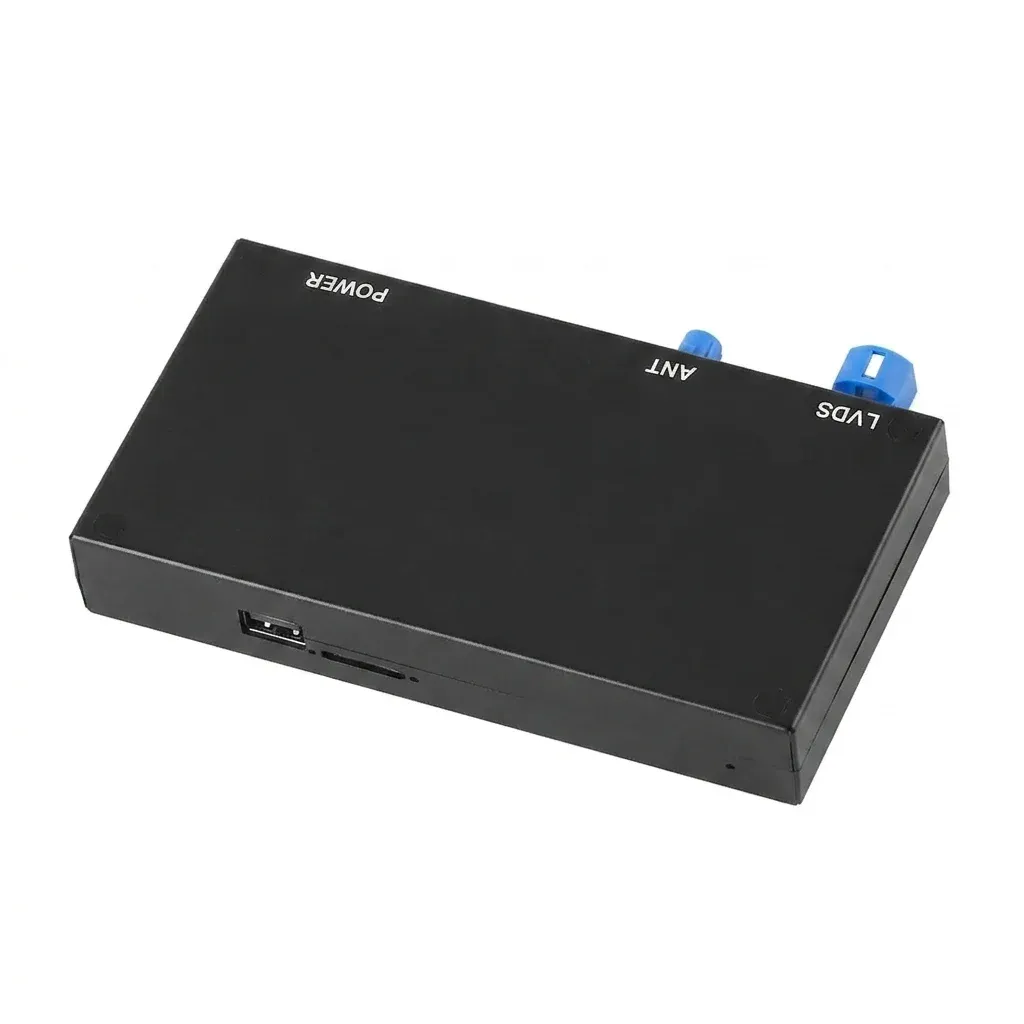
This is not a universal plug-and-play box for every Volvo interior. The listing warns that cars with manual seats may not have the CAN wire under the seat, and one user noted that the V90 layout placed the module in a different location than the XC90 video shows.
That makes fitment the most important pre-check before ordering, especially on vehicles with different console spaces or seat wiring routes. The good news is that the kit appears complete and well packaged, but the bad news is that the install can be delicate enough to damage trim if rushed, so do you know where the module will actually sit in your car?
Why rear camera and parking sensor support matter
Rear camera support and OEM parking sensor integration are the features that keep this upgrade from feeling like an aftermarket compromise. They let the original driving aids remain part of the system, which is important when you reverse into tight spaces or park in narrow garages.
One customer reported a brief delay when shifting into reverse, around two seconds, which is worth noting if you expect instant camera activation. Even so, preserving the factory sensors and camera path is a major advantage over cheaper adapters that break the parking workflow, and that is where the value case becomes clearer.
What the early reviews suggest about long-term use
The review sample is small, but the pattern is useful: most customers describe complete kits, working connections, and a noticeable improvement in usability. A few comments mention audio setup issues that were fixed by resetting the module or replacing a cable, which points to a product that can be reliable once correctly installed.
For an AliExpress United States reader, the main takeaway is that this is a serious retrofit part rather than a casual accessory. It looks best suited to Volvo owners who want a factory-preserving upgrade and are comfortable checking compatibility carefully before opening the dash, which is the real decision point here.