













Why RoadTop stands out in Audi retrofit hardware
RoadTop has built a strong reputation in the AliExpress car electronics niche by focusing on model-specific retrofit screens rather than generic universal units. That approach matters in an Audi A1, where fitment, wiring logic, and interface behavior decide whether the upgrade feels factory-made or improvised.
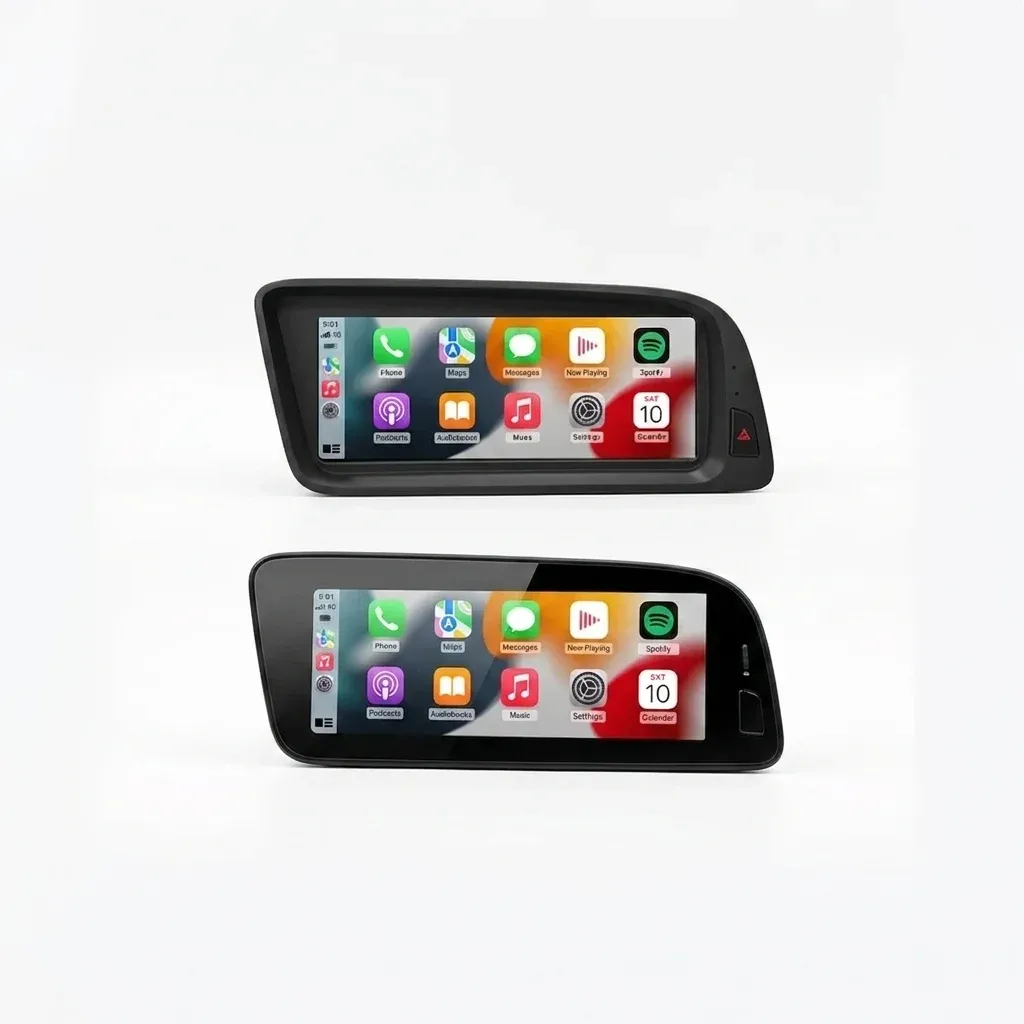
This unit follows that formula with a dedicated layout for 2012-2018 A1 models, a Linux operating system, and a 12.3-inch panel that aims to modernize the cabin without turning it into a cluttered tablet mount. The real question is how well that larger screen and wireless connectivity translate in daily driving?
12.3 inches in an A1 cabin: what the size changes
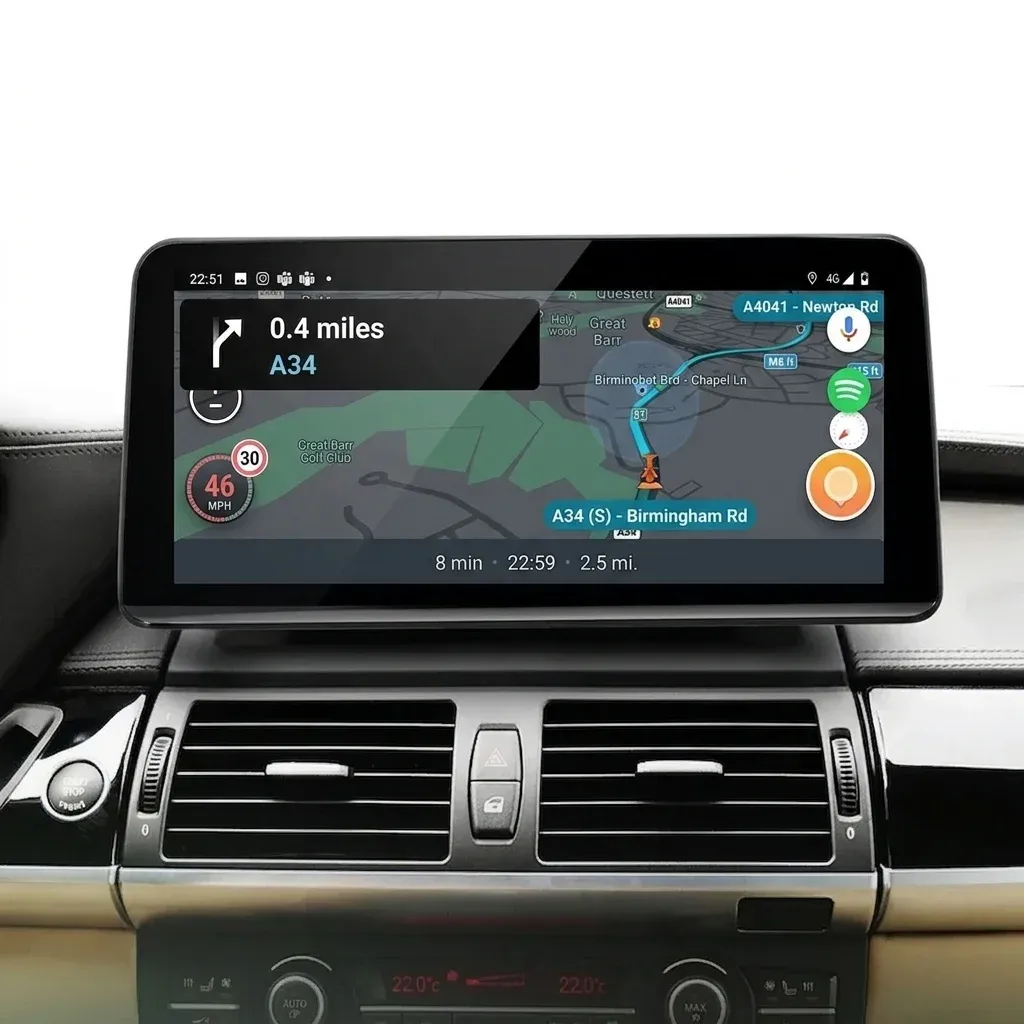
The 1920×720 display gives the dashboard a much wider visual field than the original infotainment setup, which makes maps, split views, and media controls easier to read at a glance. In practice, that means fewer head movements and a calmer interface when you are navigating through dense traffic.
The screen size also changes the cabin’s visual balance, because the display now becomes a clear focal point without looking oversized for the Audi A1 dashboard. Users consistently mention that it fits like an original part, which is the strongest compliment a retrofit screen can earn.
Wireless CarPlay and Android Auto without the cable routine
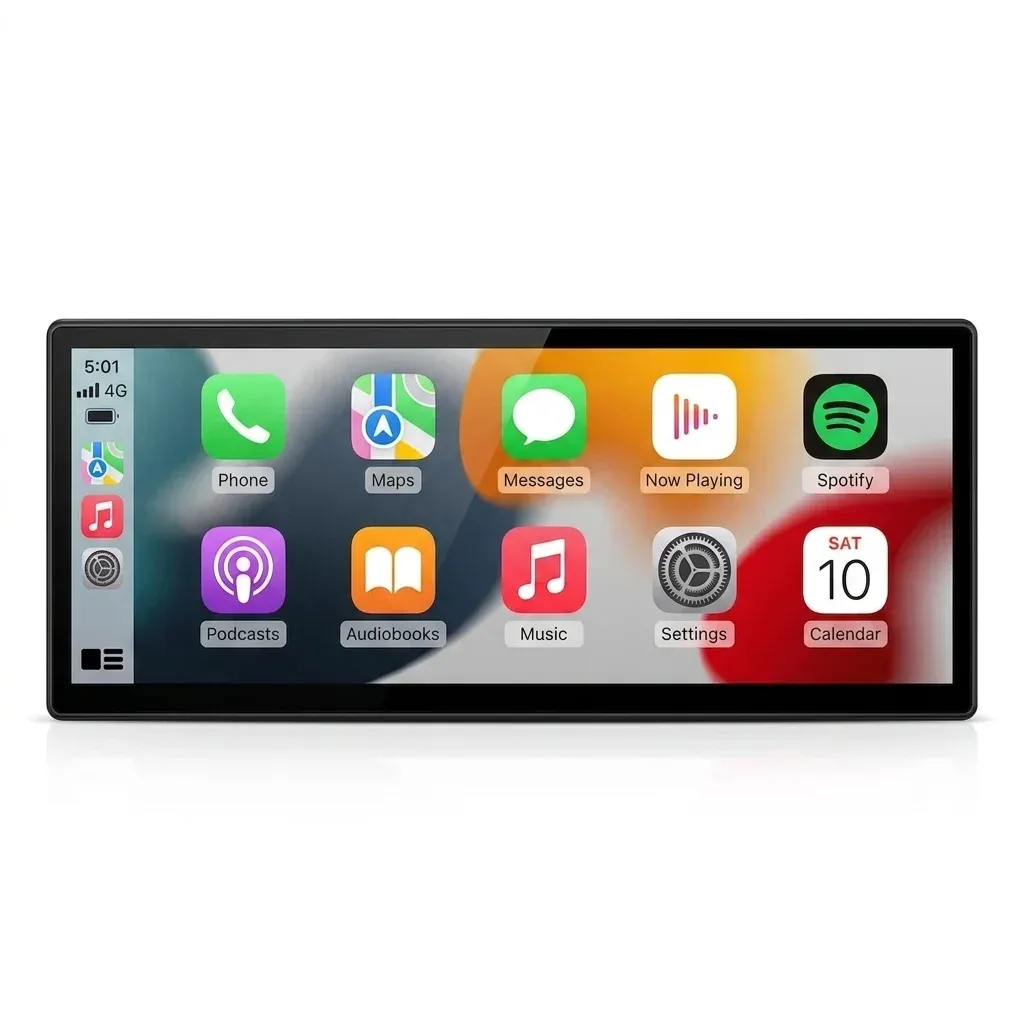
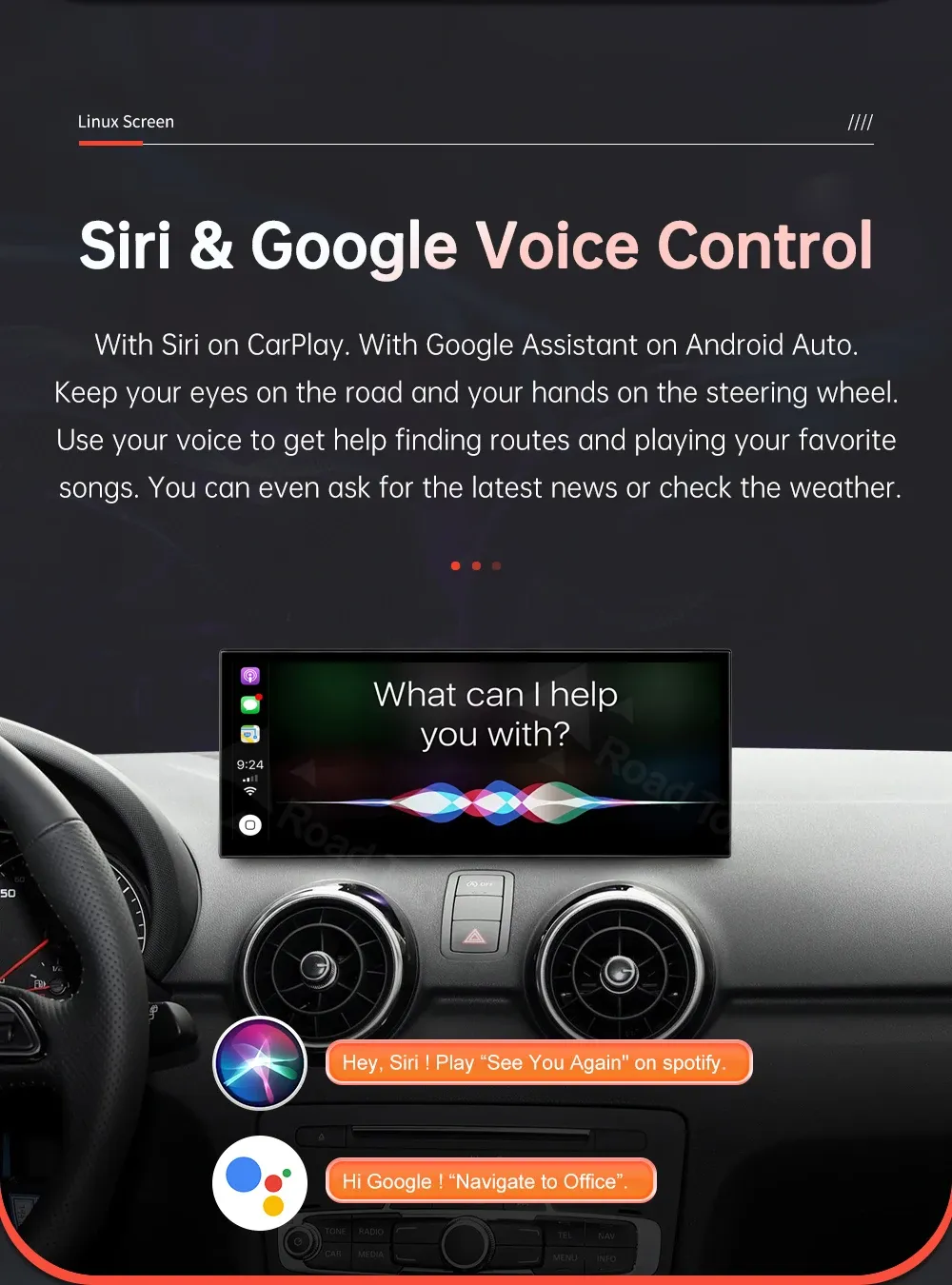
Wireless CarPlay is the headline convenience here, and the Linux platform appears tuned for quick startup rather than heavy app loading. According to users, the connection can come up within seconds after ignition, which is exactly what you want from a daily-use retrofit unit.
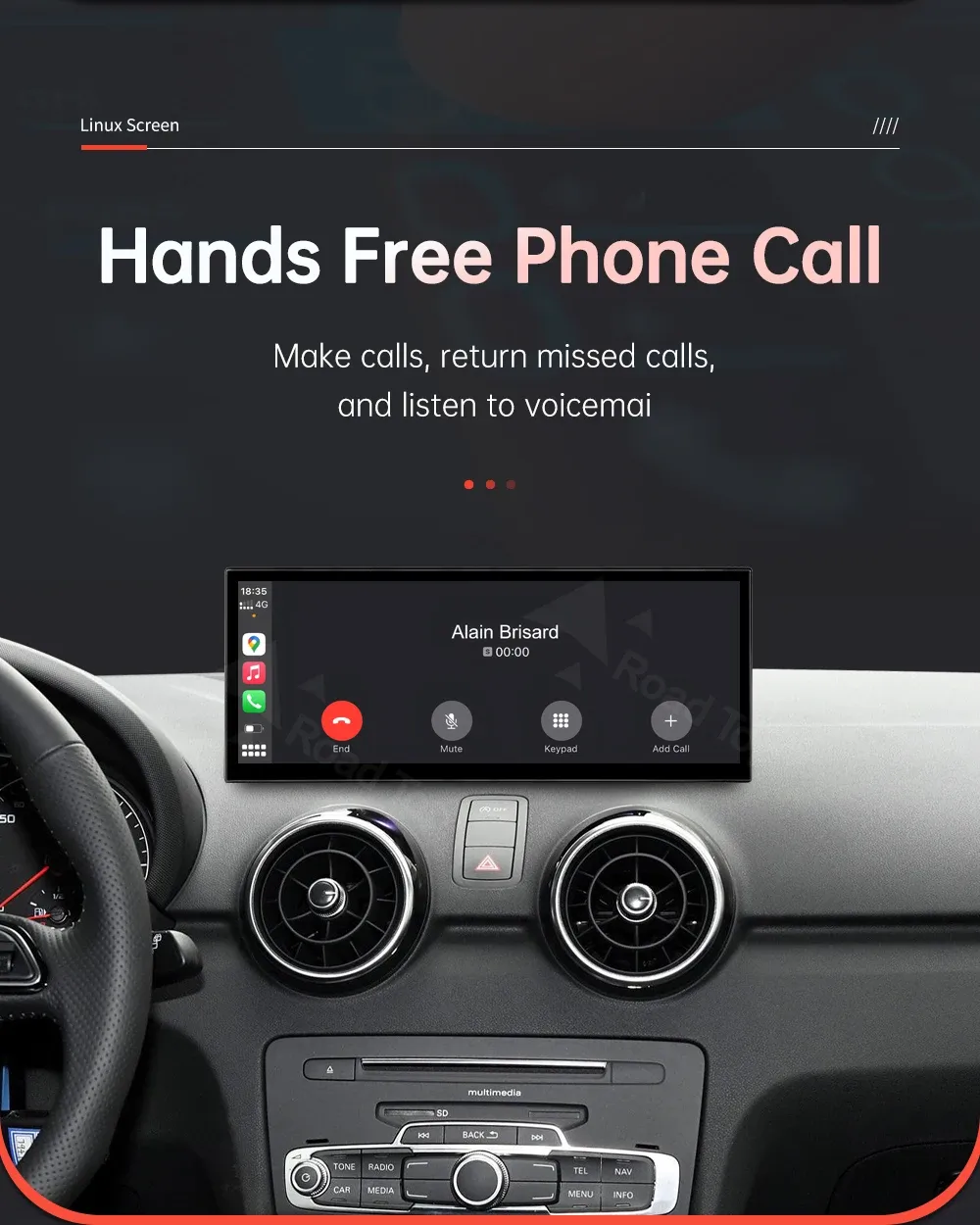
Android Auto and MirrorLink widen compatibility for mixed-phone households, so the screen works as a shared upgrade instead of a single-platform accessory. If your current setup still depends on a USB cable every time you drive, this is the feature that changes the routine most, but how smooth is the interface itself?
Touch response and menu behavior on Linux
Linux is a practical choice for a car screen because it usually favors stability and fast boot behavior over flashy extras. That fits this product’s identity well: it is designed to wake quickly, stay responsive, and avoid the lag that can make larger head units feel frustrating.
The touch layer is important too, because a 12.3-inch screen only feels premium if taps and swipes register cleanly. Based on user feedback, the interface is responsive enough for navigation and media control, though the experience is more focused on dependable operation than on deep customization.
Fitment details that matter before installation
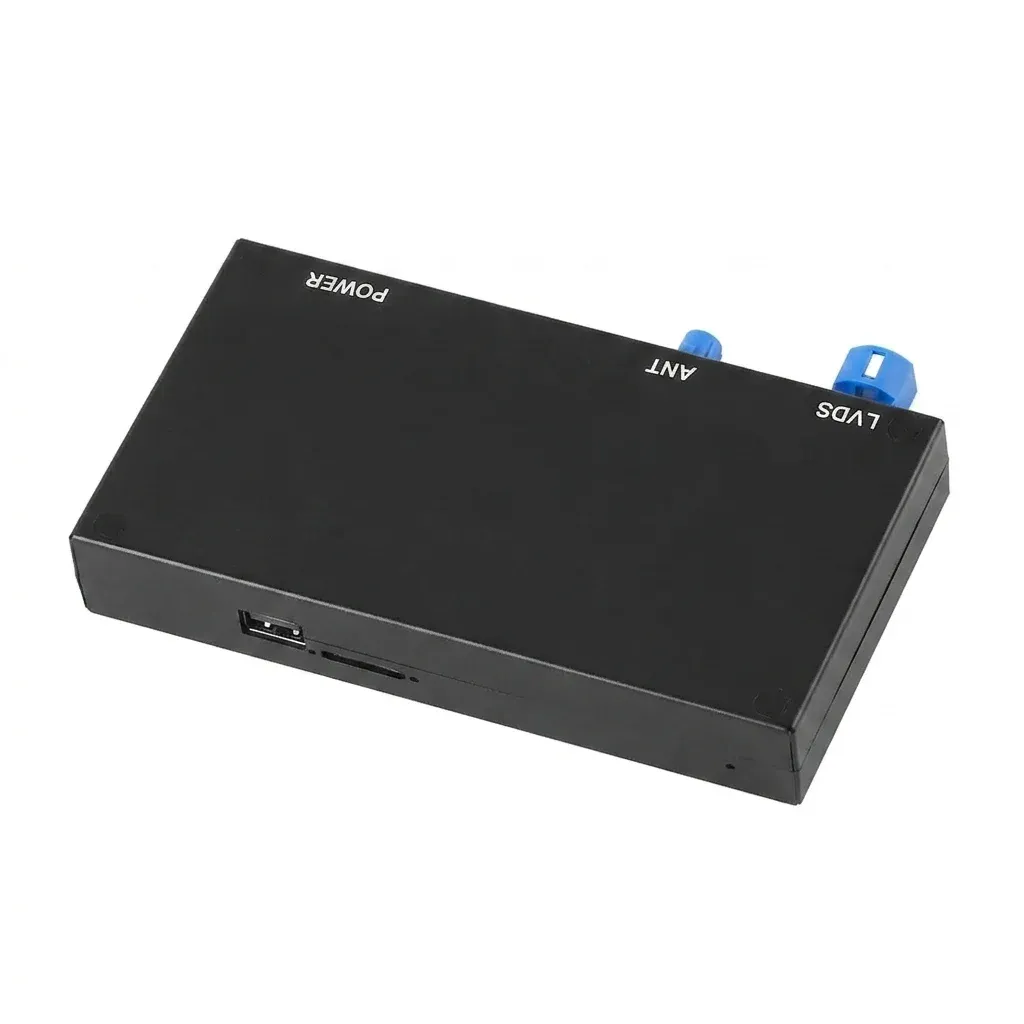
This display is built for Audi A1 vehicles from 2012 to 2018, but installation can still vary by trim and connector layout. One recurring detail from customers is that some cars use a different gateway connector position or color, so checking the wiring location before starting saves time and confusion.
The upside is that the installation is widely described as manageable, with fitment that looks close to OEM once installed. The included manual and seller support are part of the value here, because a retrofit screen is only as good as the help available when the car’s original layout does not match the standard diagram.
What the real reviews suggest about daily use
Real customer feedback is strongly positive, with a 4.9/5 average across 42 reviews and repeated comments about perfect fit, smooth CarPlay operation, and quick seller responses. That pattern suggests the product’s main strengths are consistency and compatibility rather than just attractive specs on paper.
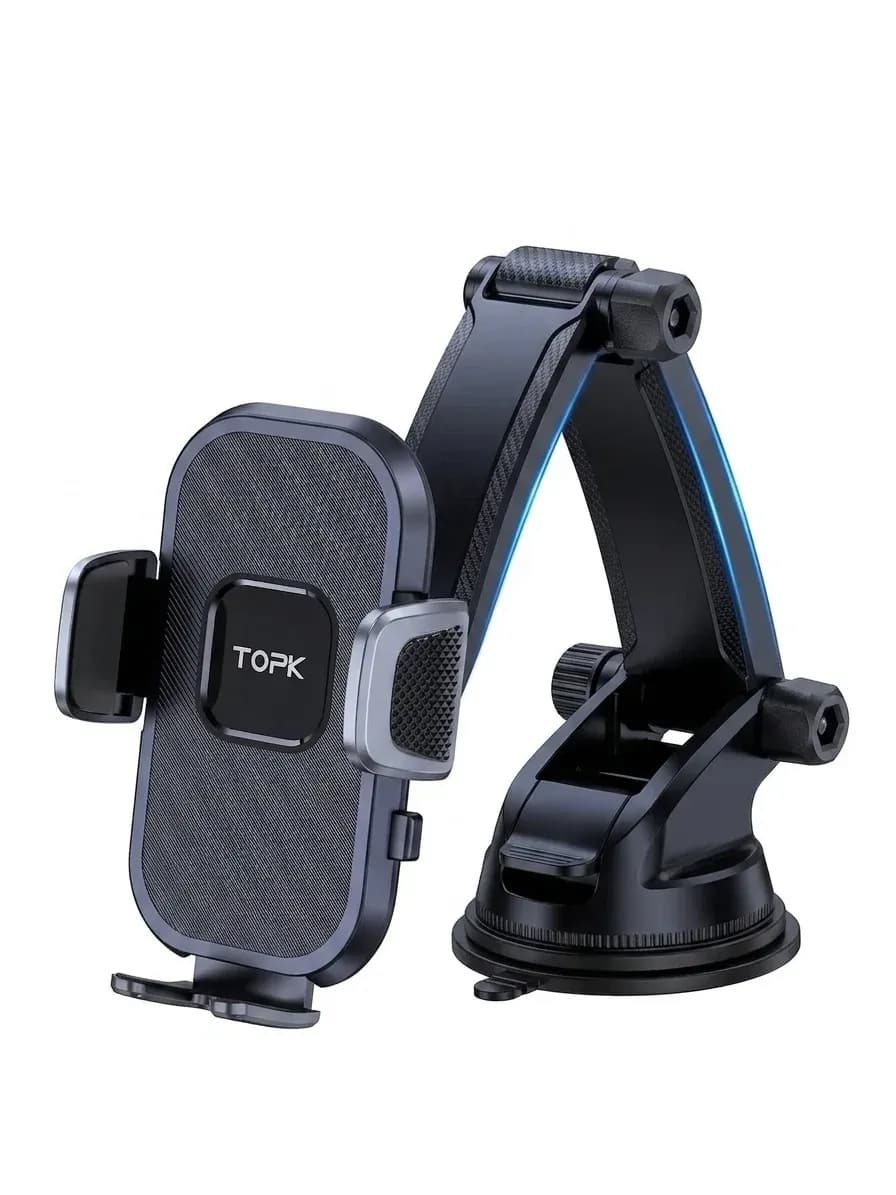
For drivers who want a cleaner cabin upgrade than a phone holder or a basic Bluetooth add-on, this screen offers a more integrated solution. The tradeoff is that it rewards careful installation, so the best experience comes from checking the connector type and planning the retrofit before the dashboard comes apart.
Who should get this screen
This unit makes the most sense for Audi A1 owners who want modern smartphone integration while keeping the dashboard visually cohesive. It is especially useful if you navigate often, stream music daily, or want a larger, easier-to-read interface than the stock system can provide.
If you prefer plug-and-play accessories with no trim removal, this is not the simplest path, but the payoff is a much more complete interior upgrade. For owners willing to treat it like a proper retrofit, the result can feel far closer to a factory modernization than an aftermarket add-on.