












Why RoadTop Has Built a Solid Reputation in Retrofit Screens
RoadTop has earned attention in the AliExpress car electronics niche by focusing on vehicle-specific retrofit systems instead of generic universal tablets. That usually means cleaner integration, better plug-and-play wiring, and a display that feels like part of the cabin rather than an afterthought.
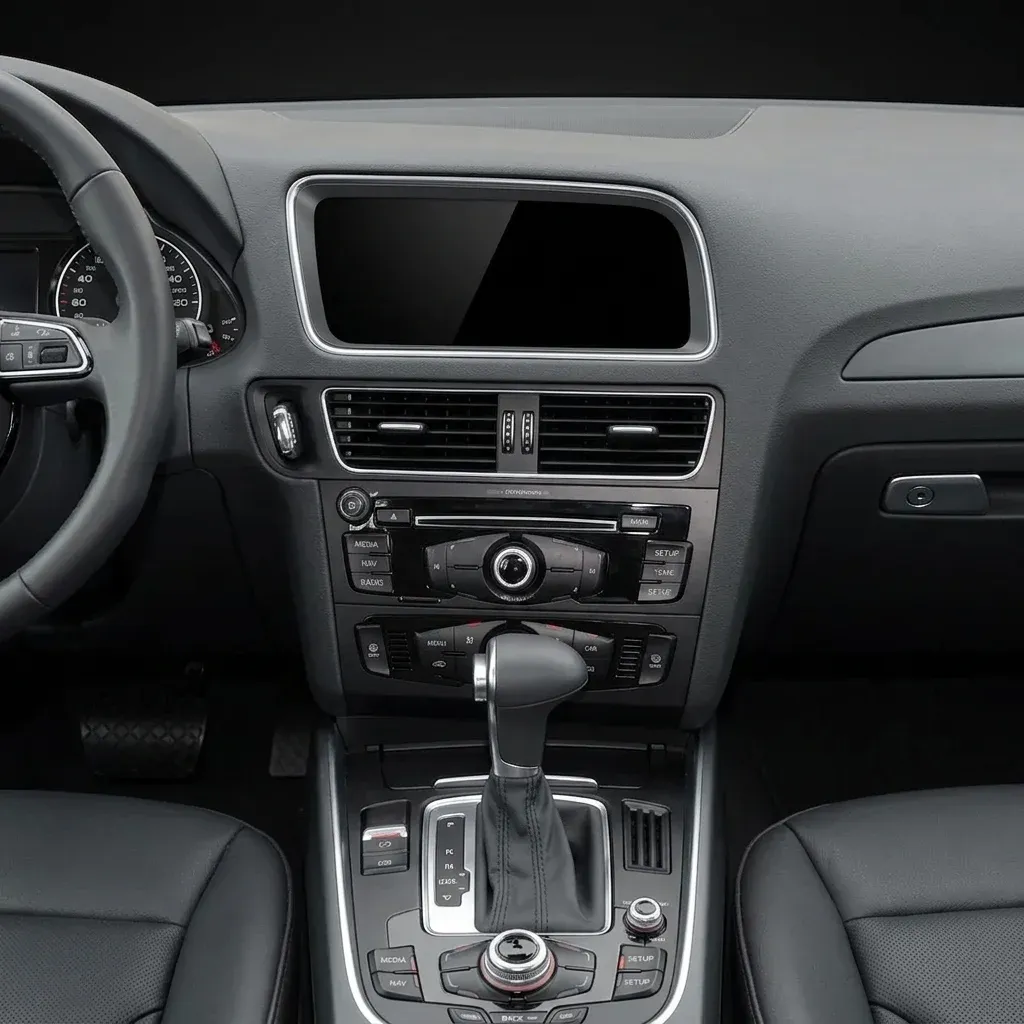
This Audi Q5 unit follows that formula with a Linux-based interface and a size that matches the dashboard layout more naturally than many oversized Android head units. The result is a screen upgrade that aims to modernize the car without turning the interior into a custom project, so what does that look like in daily use?
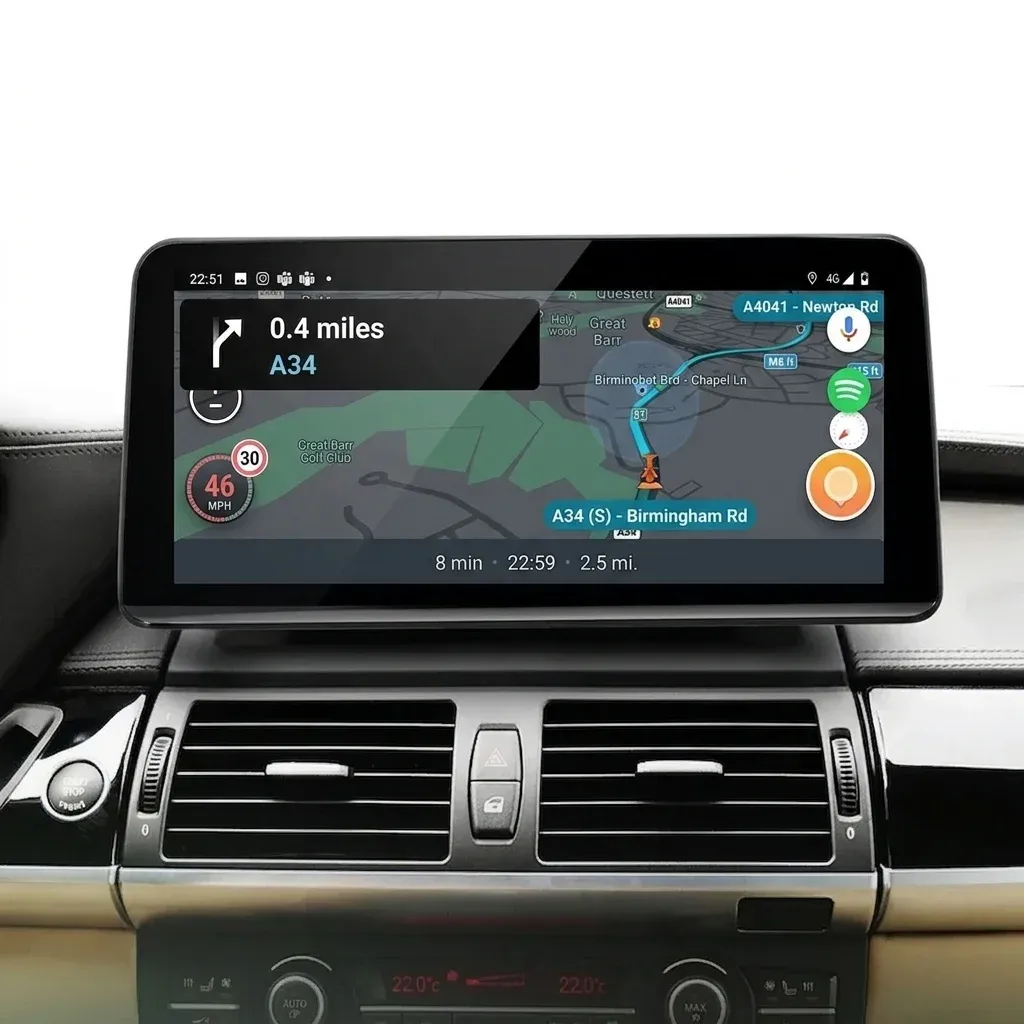
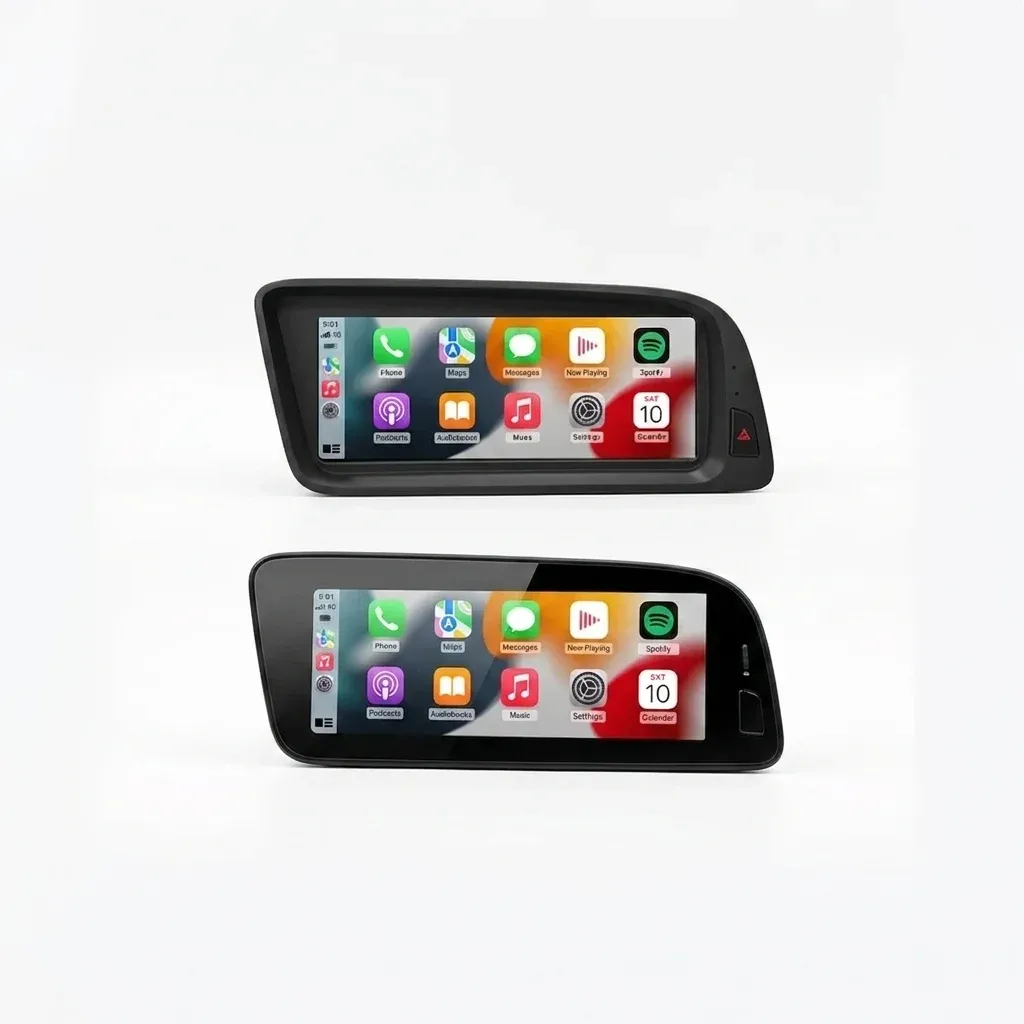
1920×720 on an 8.8-inch panel: what changes on the road
The 1920×720 resolution gives the display enough sharpness for maps, album art, and menu text to stay legible at a glance. On an 8.8-inch panel, that matters because the screen is close to the driver’s eyes, where soft graphics or low contrast would be immediately noticeable.
Users who installed the unit often describe the interface as clear and responsive enough for navigation and media control, which fits the high average rating from real buyers. It is not trying to mimic a full Android tablet, so the experience feels more focused and less cluttered, which is useful when the car is moving.
Wireless CarPlay and Android Auto without the cable routine
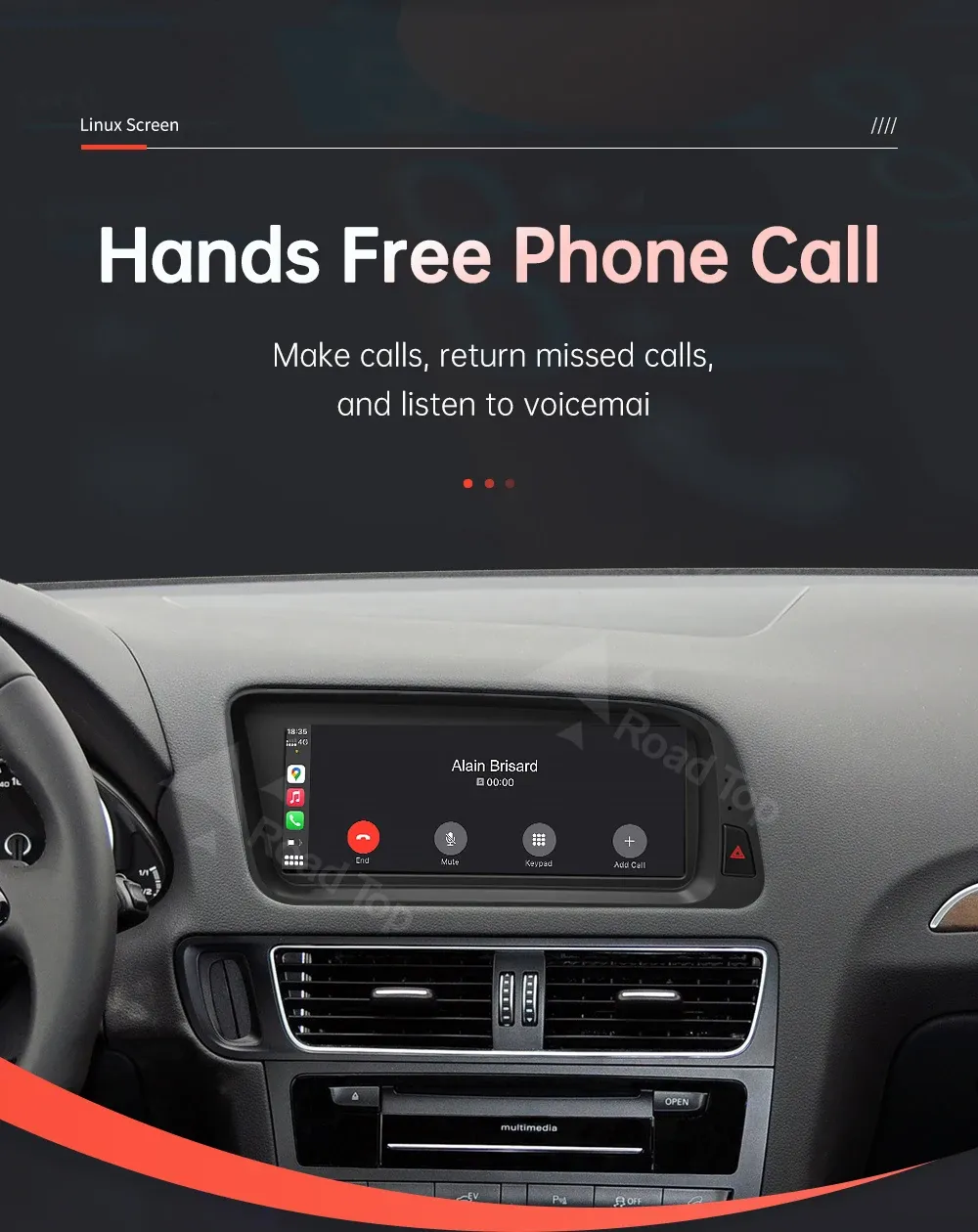
The biggest practical gain is wireless phone integration, especially for drivers who want maps, calls, and music to appear automatically after startup. According to customers, CarPlay setup can take a little patience on the first pass, but once connected, the system handles everyday tasks like Google Maps, WhatsApp, calls, and audio apps smoothly.
That wireless approach is more convenient than a basic Bluetooth-only screen because it preserves the familiar app layout from the phone while keeping the cabin free of dangling cables. If you switch between iPhone and Android devices, the support for both ecosystems makes the unit more flexible than many single-platform retrofit kits, so how well does it fit the original Audi environment?
Factory integration matters more than screen size
This display is designed for Audi Q5 models from 2009 to 2017, and that vehicle-specific fit is one of its strongest selling points. Real-world feedback suggests the original car functions can stay accessible, including the factory rear camera on supported setups, which helps preserve the feel of the OEM system.
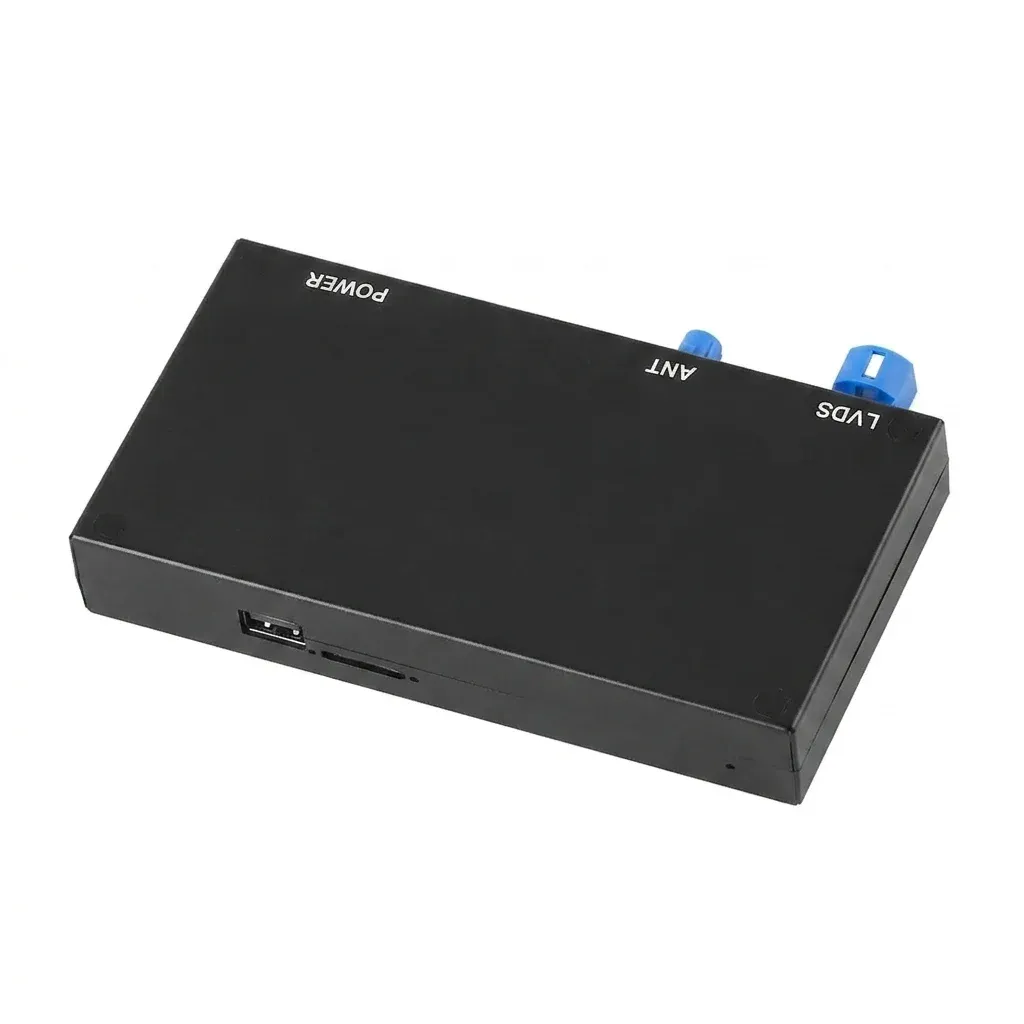
Installation is not difficult in the way a full custom stereo swap can be, but it does reward careful routing and patience when placing the display unit inside the cabin. A few users noted that alignment in the frame and the physical install can take the most time, which is normal for retrofit screens that must sit flush with the dashboard, so what should buyers expect from the software?
Linux software: focused, fast, and less app-heavy
The Linux operating system is a clue that this product is built for stability and core infotainment tasks rather than open-ended app installation. That can be an advantage for drivers who want fast boot behavior and fewer distractions, although it also means this is not the right choice if you expect the freedom of a full Android head unit.
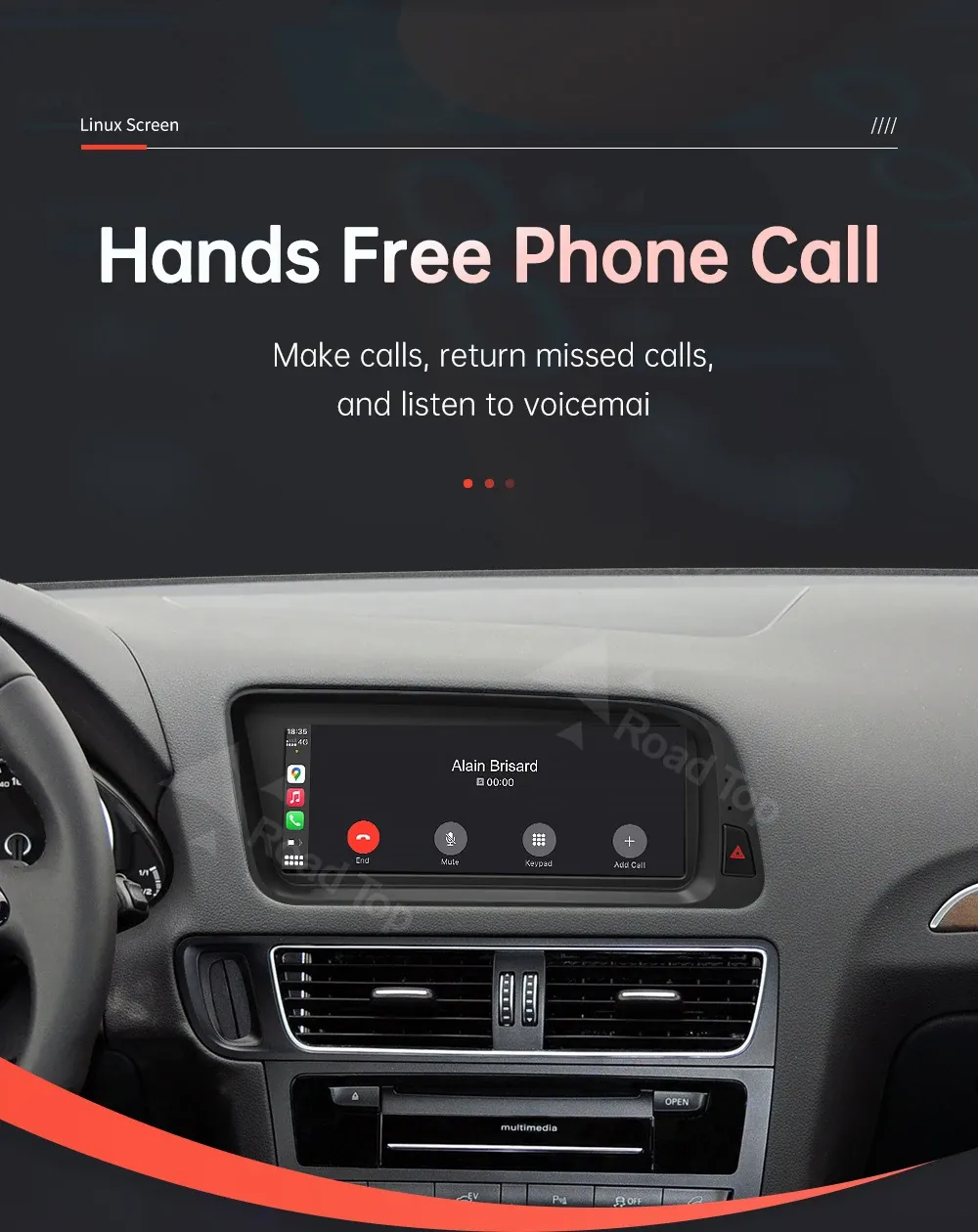
For most Audi Q5 owners, that trade-off makes sense because the screen is meant to improve daily usability, not become a mini entertainment console. The interface language support is broad, and the touch layer is reported by users as responsive, which helps the system feel modern even without a large app store, so what are the practical strengths and limits?
What stands out after reading the owner feedback
Customer feedback points to strong packaging, helpful seller support, and a product that generally works as described once installed and configured. A recurring theme is that setup questions are common at first, but responsive guidance and installation videos can shorten the learning curve for first-time retrofit buyers.
The main limitations are also easy to identify: the frame may not replicate every original trim detail, and the install can be fiddly in tight cabin spaces. Even so, the combination of wireless smartphone mirroring, OEM-friendly fit, and a crisp screen makes this one of the more practical upgrades for older Audi Q5 interiors, especially if you value usability over experimentation.
- Wireless Apple CarPlay and Android Auto support
- 8.8-inch touchscreen with 1920×720 resolution
- Vehicle-specific fit for Audi Q5 2009-2017
- Linux operating system for focused infotainment use
- Factory-style integration with retained original functions
- Broad OSD language support
- CE-certified construction