











Why the N2X matters in everyday driving
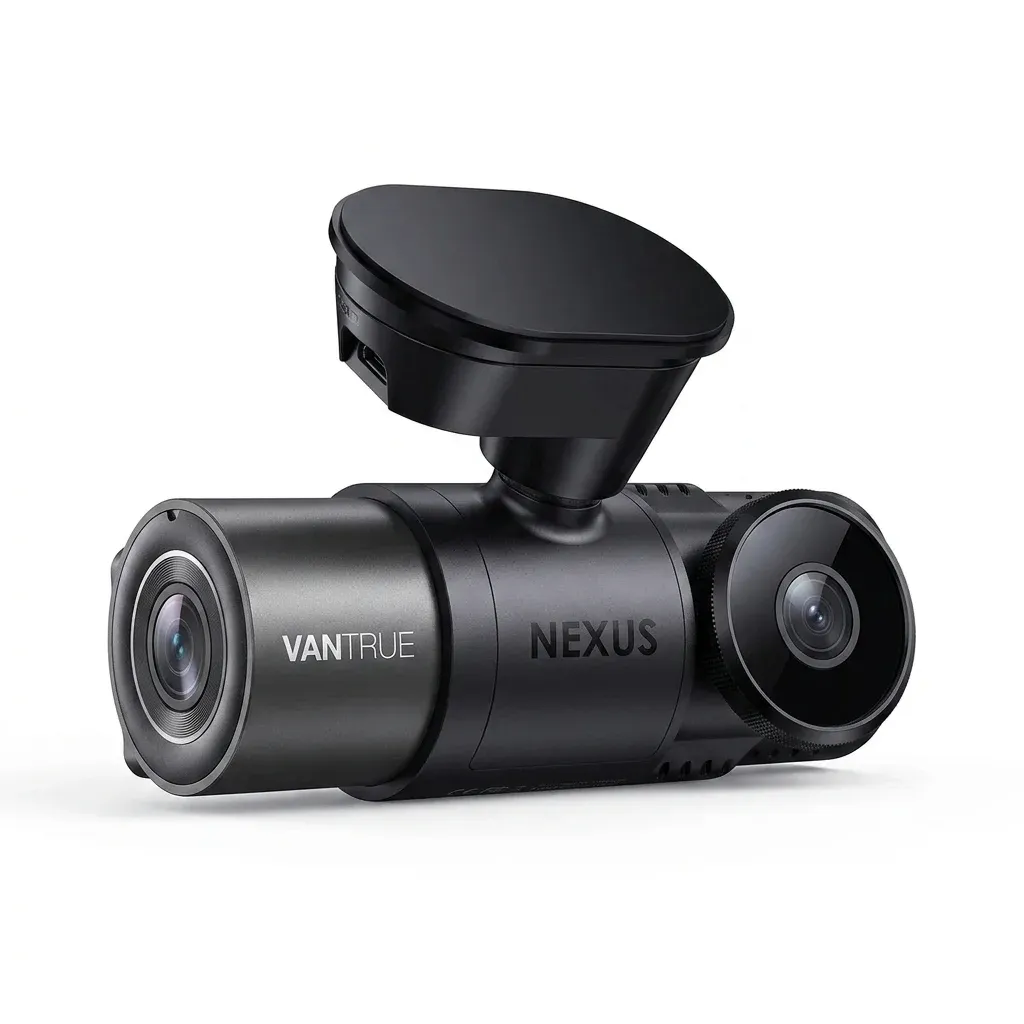
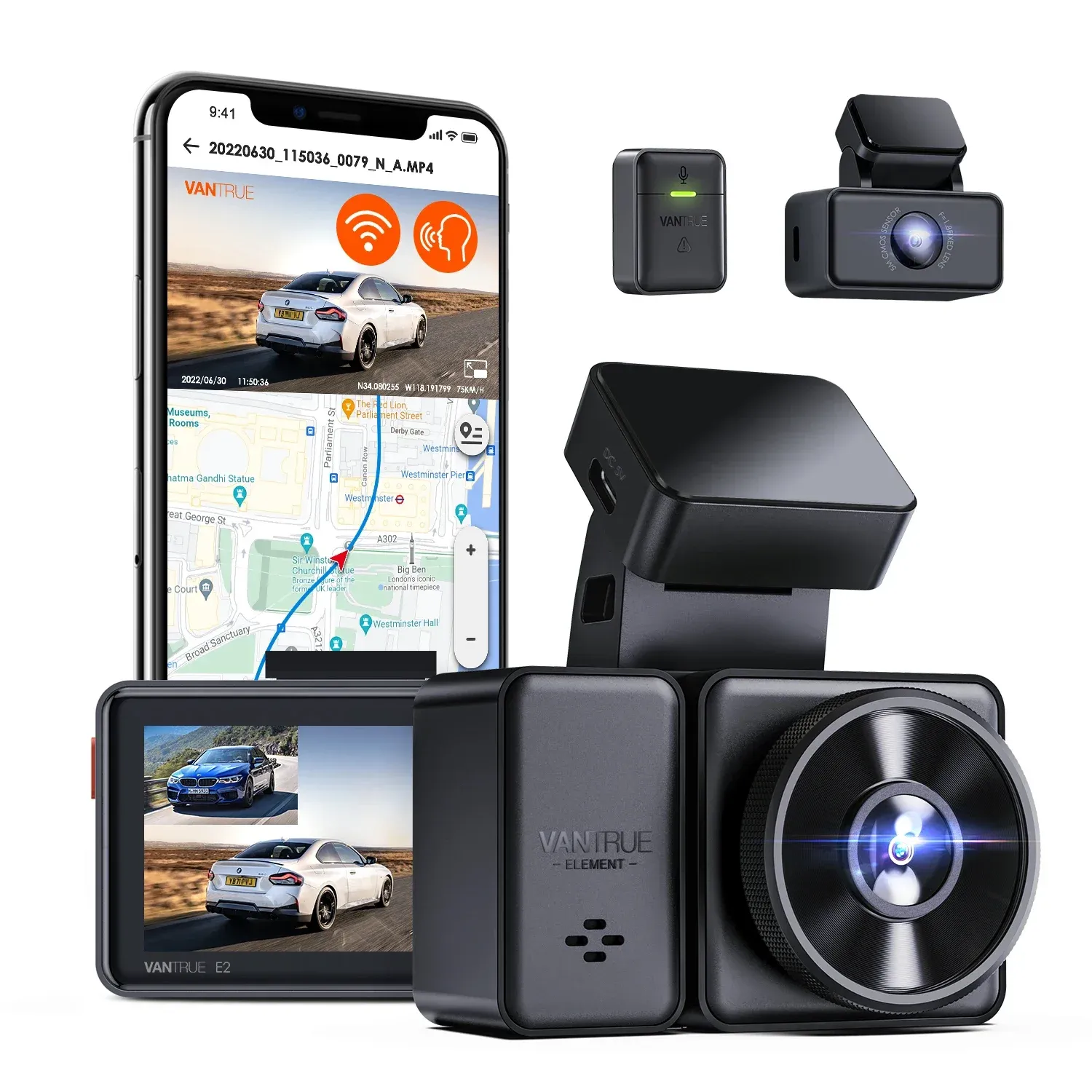
The Vantrue N2X solves a common problem for rideshare drivers, commuters, and fleet users: getting usable footage when lighting changes fast inside the cabin and outside the windshield. As a Vantrue product, it sits in the part of the AliExpress dash cam market where image tuning, hardware stability, and practical driver features matter more than flashy claims.
Its value is not in having the longest feature list, but in combining a front camera and an interior camera with STARVIS 2 imaging, HDR processing, and GPS in a single unit. That combination is what makes it easier to document incidents, passenger interactions, and nighttime traffic with less guesswork, so what does that look like on the road?
2.7K front capture with 60FPS: where motion clarity shows up
The front camera records at 2592x1944 and supports 60FPS, which helps preserve license plates, lane markings, and fast-moving details better than a basic 30FPS model. In stop-and-go traffic or on rough city streets, the smoother frame rate can make motion look less smeared, which is useful when a clip needs to be reviewed frame by frame.
The 158° front angle is wide enough to cover multiple lanes without turning the image into a fisheye effect that feels exaggerated. For drivers comparing it with simpler single-lens models, the N2X offers a more balanced view of the road rather than an overly stretched perspective, and that matters when the next event happens at the edge of the frame.
Interior recording built for night shifts
The cabin camera uses four IR LEDs and a rotatable lens, so the inside of the vehicle stays visible even when the cabin is nearly dark. That is especially relevant for taxi, rideshare, and delivery work, where a dim interior can otherwise become a blank silhouette in the recording.
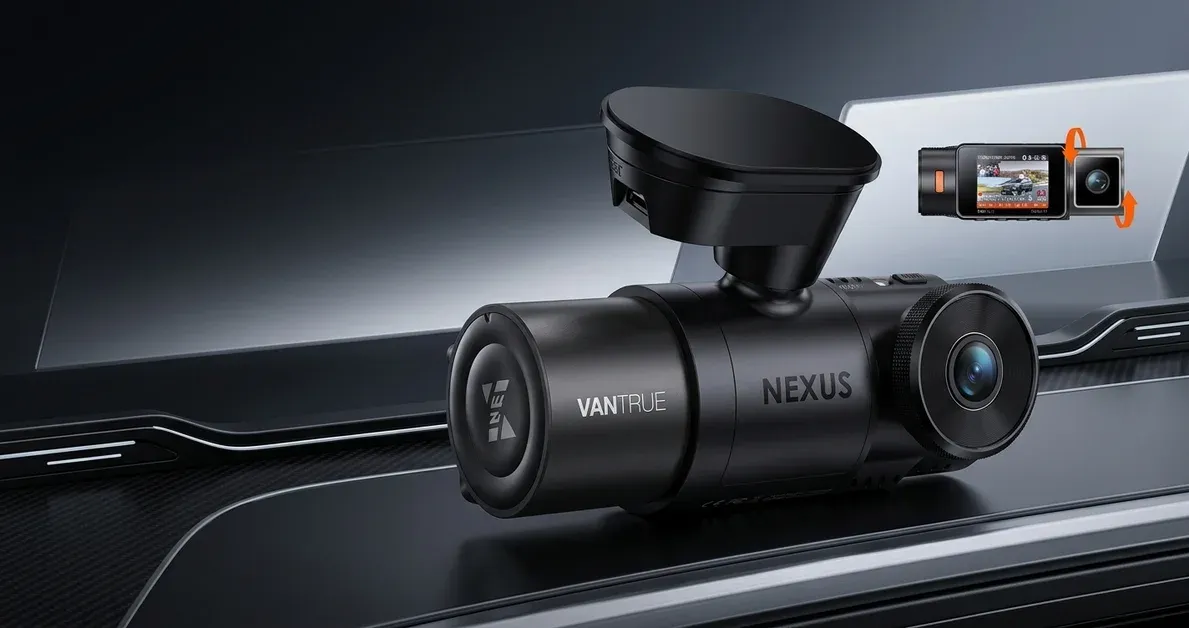
According to users, this is the kind of setup that feels useful rather than decorative, because the cabin feed can be disabled when privacy is needed. That flexibility makes the camera easier to live with during daytime commuting, but the real test comes after sunset, doesn’t it?
STARVIS 2 and HDR: why low light footage is the selling point
The SONY STARVIS 2 IMX678 sensor is the feature that gives the N2X its strongest technical edge, especially when headlights, street lamps, and dark interiors all compete in the same frame. Dual HDR helps hold back blown highlights while keeping shadows readable, which should improve the chance of capturing faces, clothing, and plate characters in difficult lighting.
In practical terms, this means the footage should look cleaner when exiting parking garages, driving through wet streets, or recording a passenger area with only dashboard glow. If you have ever watched a night clip turn into a gray blur, this is the part of the spec sheet that actually changes the experience.
GPS, Wi-Fi, and voice control: the features that save time
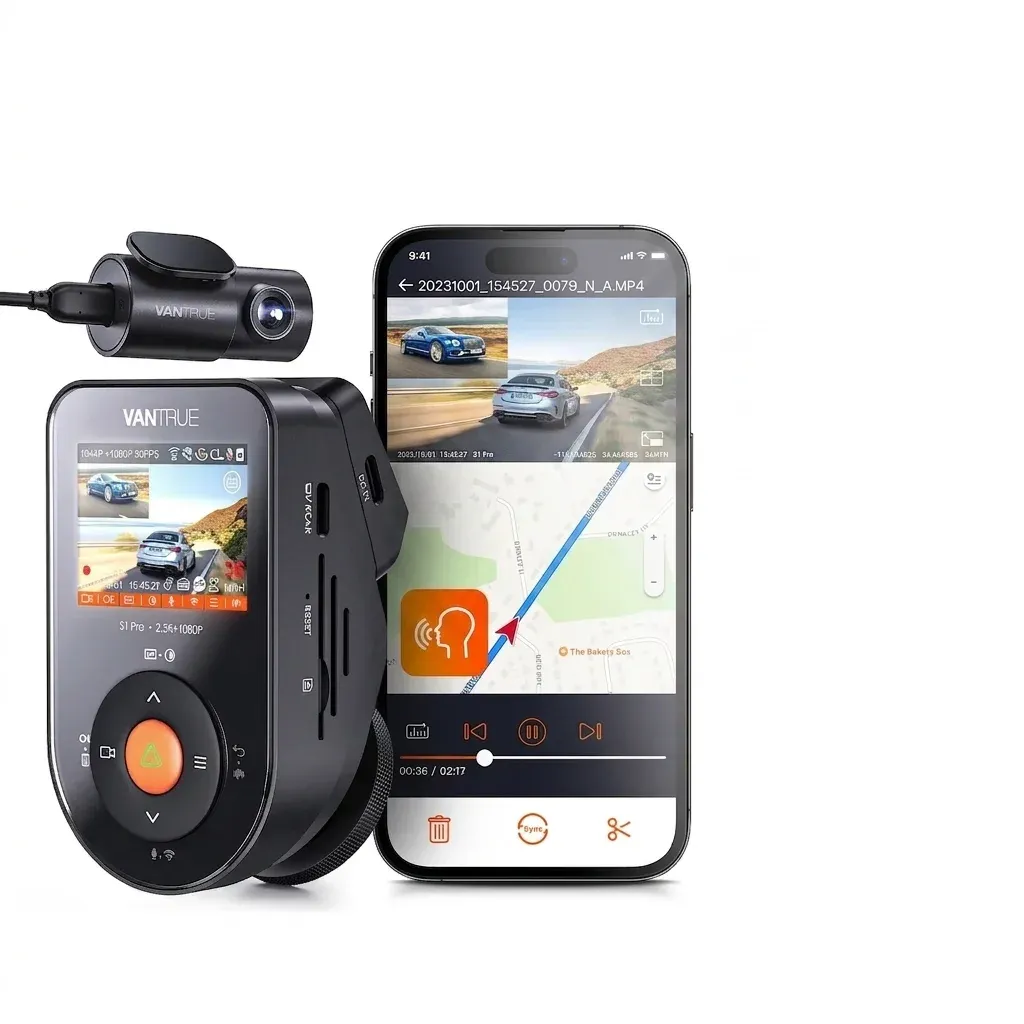
Built-in GPS logs speed and route data directly, so the video is easier to place in context after an incident or insurance claim. 5G Wi-Fi with iOS and Android support makes it simpler to review clips on a phone without pulling the memory card every time, which is a real convenience when you need footage quickly.
Voice control is the kind of feature that sounds minor until you try using it during a drive, because it lets you trigger common actions without reaching for the screen. The 3.5-meter cable also gives more installation flexibility in larger cabins, so the next question is whether the hardware feels ready for long-term use?
Storage, installation, and what to expect from the build
The N2X uses loop recording, supports microSD cards up to 512GB, and requires Class 10 media, which is the right setup for drivers who keep long trips or repeated daily routes on file. The built-in screen is an IPS panel rather than a touch display, so setup relies on buttons and menus, but that also keeps the interface straightforward and less distracting.
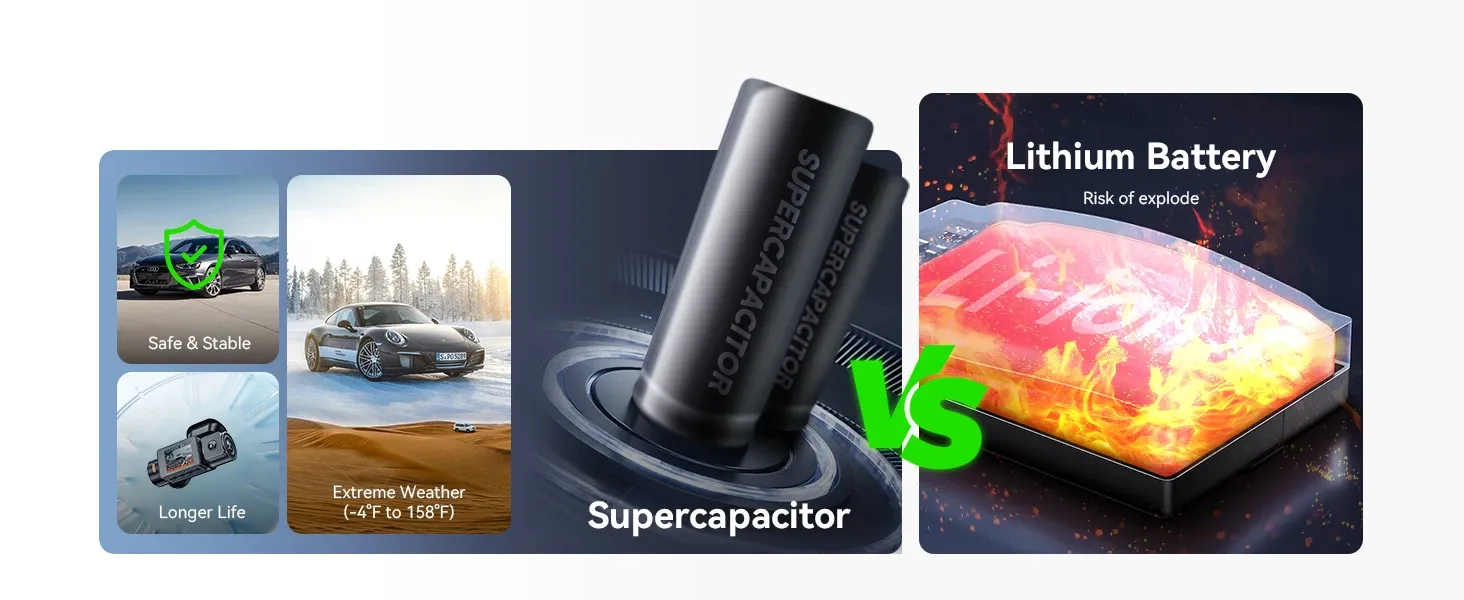
At 655g with a corded power design and no battery, it is clearly meant for stable in-car operation instead of portable use between vehicles. That makes it a better fit for drivers who want a mounted recorder that stays in place, especially when parking monitor and motion detection are part of the plan.
Who gets the most from this dash cam
The N2X makes the most sense for rideshare drivers, commuters who drive at night, and anyone who wants both road and cabin coverage in one package. Customers tend to value systems like this when they want fewer blind spots, clearer low-light footage, and a cleaner workflow for reviewing incidents later.
It is less compelling for buyers who only need a simple front-only recorder, because the cabin camera and advanced imaging stack are where much of the cost goes. If your use case involves passengers, parking surveillance, or difficult night conditions, this model starts to look more justified than a basic dual-lens alternative, doesn’t it?