













Built for riders who need evidence, not just footage
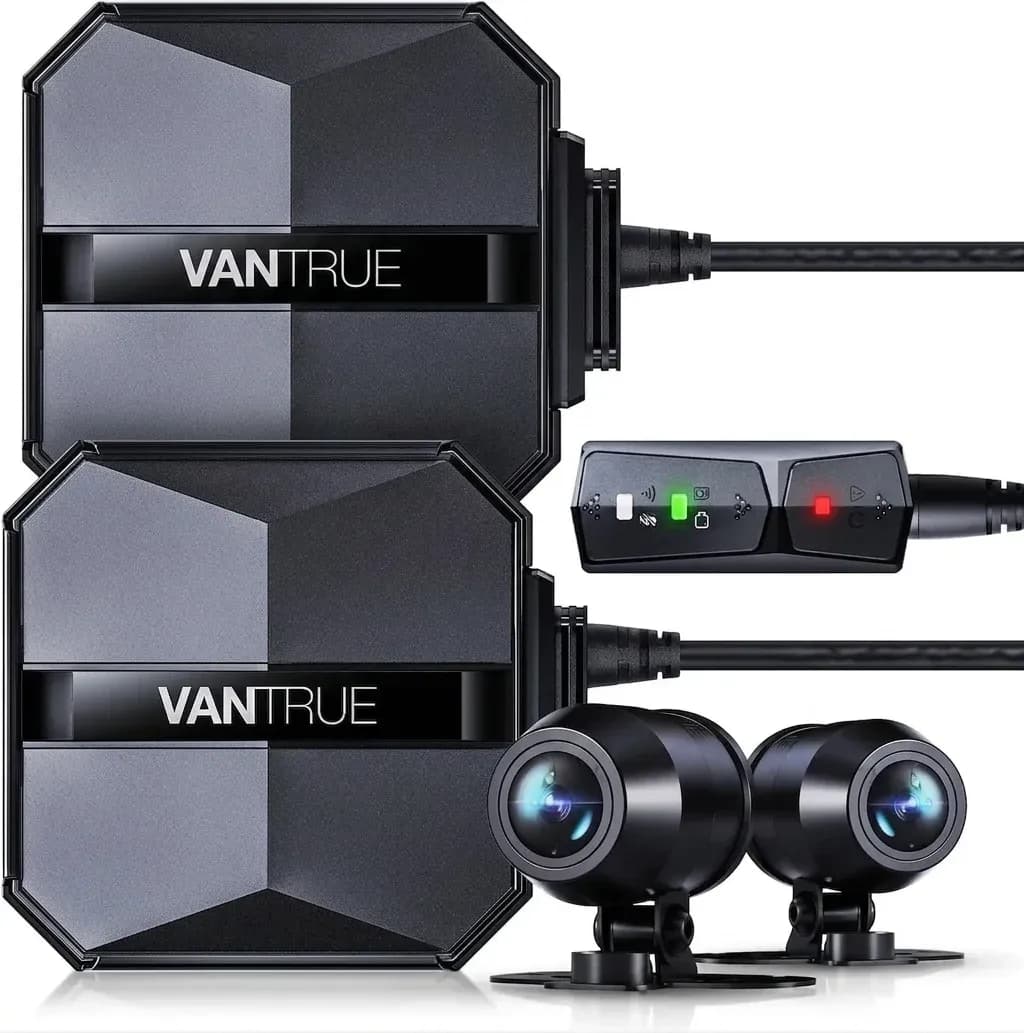
The Vantrue F1 solves a real motorcycle problem: when the road gets messy, you need video that stays readable, stable, and usable as evidence. This setup pairs front and rear recording with GPS data, so a ride is documented with both visual context and route details.
Vantrue has earned a solid reputation in the AliExpress dash cam niche by focusing on sensor quality, practical software, and rider-focused features instead of flashy extras. That matters here, because the F1 is clearly designed as a serious machine rather than a universal camera adapted for motorcycles.
4K front capture and rear coverage in real use
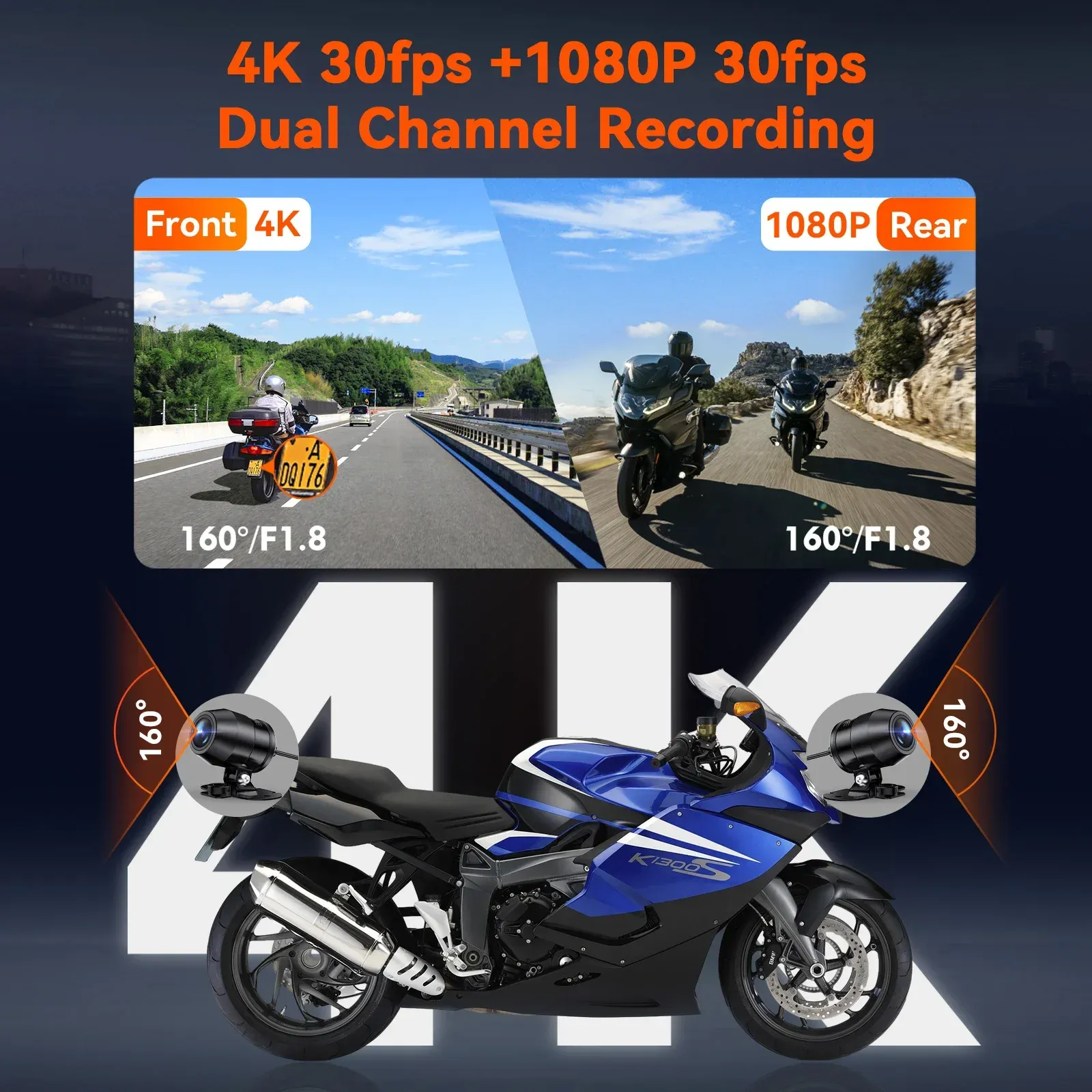
The headline feature is 4K front recording, which gives license plates, lane markings, and road signs a better chance of staying legible when the footage is reviewed later. The rear camera adds important context in traffic, especially when a close pass or rear-end incident needs to be reconstructed.
A 160° field of view on both ends helps reduce blind spots without turning the image into an extreme fisheye view. In practice, that wider perspective is useful on multi-lane roads where a narrower dash cam can miss the vehicle that mattered most, and that is where the F1 starts to separate itself.
Waterproof construction that makes sense for motorcycles
The IP67-style waterproof and dustproof design is one of the strongest reasons to consider this model for year-round riding. Rain spray, road grime, and wash-down exposure are all part of motorcycle ownership, and the sealed body helps the system stay mounted and recording when weather turns rough.
Because the cameras and accessories are built with outdoor use in mind, the installation feels closer to a dedicated riding system than a repurposed car dash cam. That should appeal to commuters and touring riders who do not want to remove gear every time the forecast changes, so how does it handle daily use?
GPS data that turns video into documentation
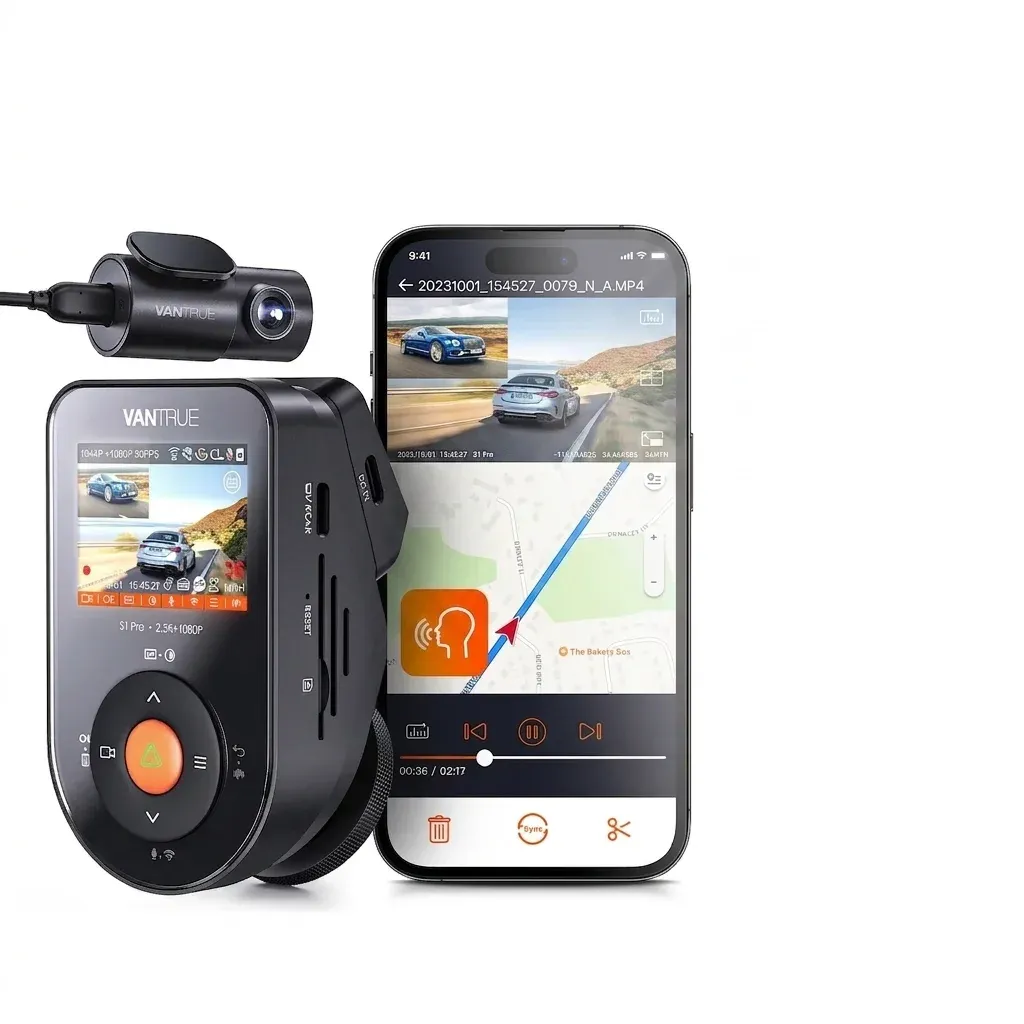
GPS is more than a speed stamp here, because the system can also log route information, latitude and longitude, and trip statistics through the Vantrue app or GPS player. Users who review footage after an incident get a clearer timeline, which is useful when insurance questions or false claims come up.
The ability to export trip data as a PDF is a practical detail that feels unusually thoughtful at this level. Instead of relying on memory or raw video alone, riders can present a cleaner record of where they were, how fast they were moving, and when the ride started and ended.
Parking mode and G-sensor protection
The 24-hour parking mode extends the value of the system when the bike is parked in a garage, lot, or curbside space. A built-in G-sensor locks impact footage automatically, which helps preserve the moments most likely to matter after a bump, scrape, or low-speed contact.
Loop recording keeps the card from filling up with stale clips, and support for up to 512GB gives the system room for long recording sessions. For riders who cover long commutes or touring days, that storage ceiling reduces the need to micromanage files, which is a quiet but important convenience.
Wi-Fi control and OTA updates keep it current
The 5GHz Wi-Fi connection and Vantrue app support make it easier to preview clips, adjust settings, and download videos without removing the memory card. OTA firmware updates are a strong sign of a mature product, because they let the system improve without opening the housing or sending hardware back.
That app-first approach is especially useful when the camera is mounted on a motorcycle with limited access points. Customers generally value that convenience, since fast clip review can be the difference between keeping a useful file and forgetting to save it, and that brings us to the practical trade-offs.
What the F1 does well, and where it asks more from the rider
This is a premium motorcycle dash cam, and the price reflects that it is closer to a specialized safety system than a simple recorder. Riders who want dependable waterproofing, GPS evidence, and dual-channel coverage will see the value more clearly than casual users.
The main compromises are installation complexity, the need for a high-capacity memory card, and the fact that the system is only as good as the way it is mounted and wired. If you want a camera that behaves like a permanent part of the bike rather than a removable accessory, the F1 is built for that exact job.