














Built for continuous recording, not casual storage
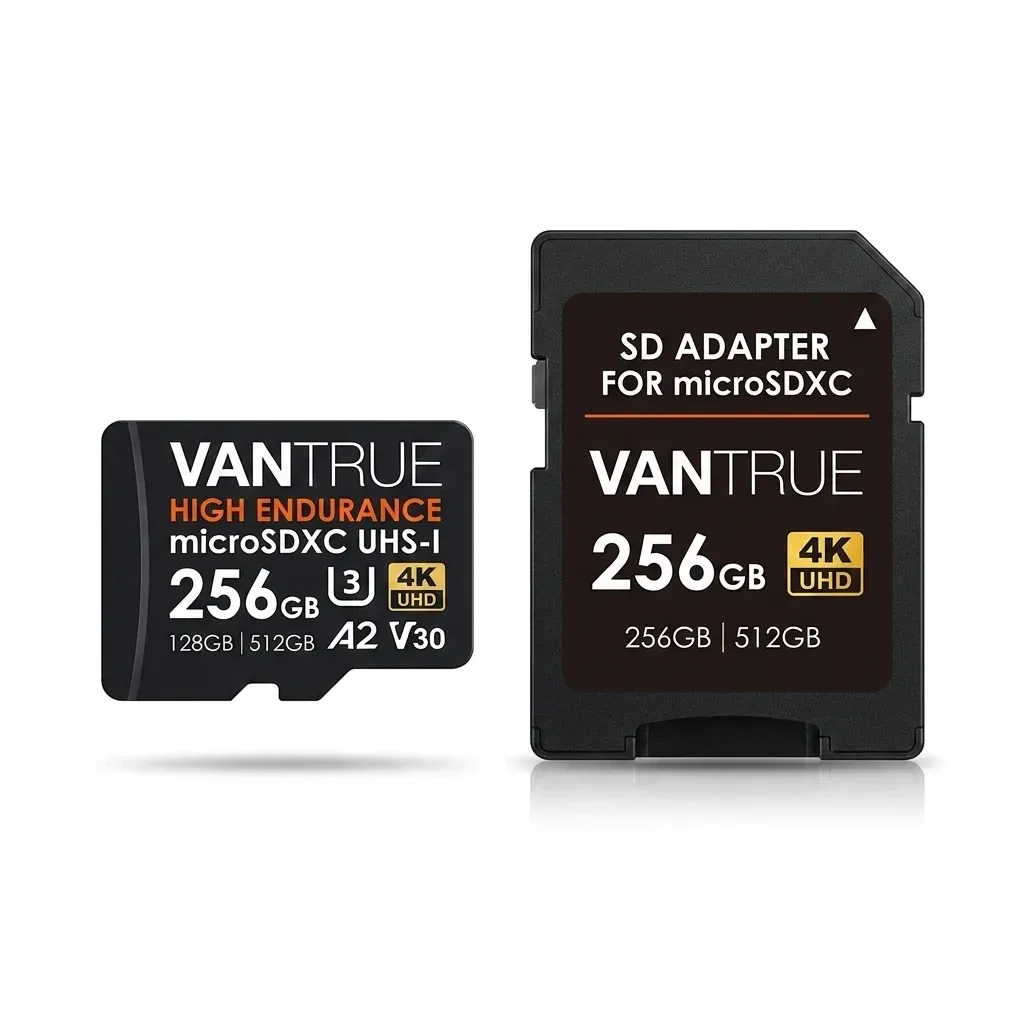
This card solves a common dash cam problem: ordinary memory cards can struggle with constant write cycles and long recording sessions. Vantrue positions this model for monitoring use, where the camera keeps recording while the car is parked or moving, so reliability matters more than raw capacity alone.
As a Vantrue accessory, it fits the brand’s reputation for practical, camera-focused hardware rather than generic storage claims. In the AliExpress United States niche, that usually means a product designed around real dash cam workloads, which is exactly what buyers want to see before trusting it with incident footage.
Why 4K recording changes the storage requirement
The listed 3840x2160 resolution makes this card relevant for cameras that capture fine detail such as license plates, lane markings, and distant traffic signs. A high-resolution file is heavier to write, so the U3 and UHS-I positioning matters because it helps keep recording smooth instead of forcing the camera to pause or drop frames.
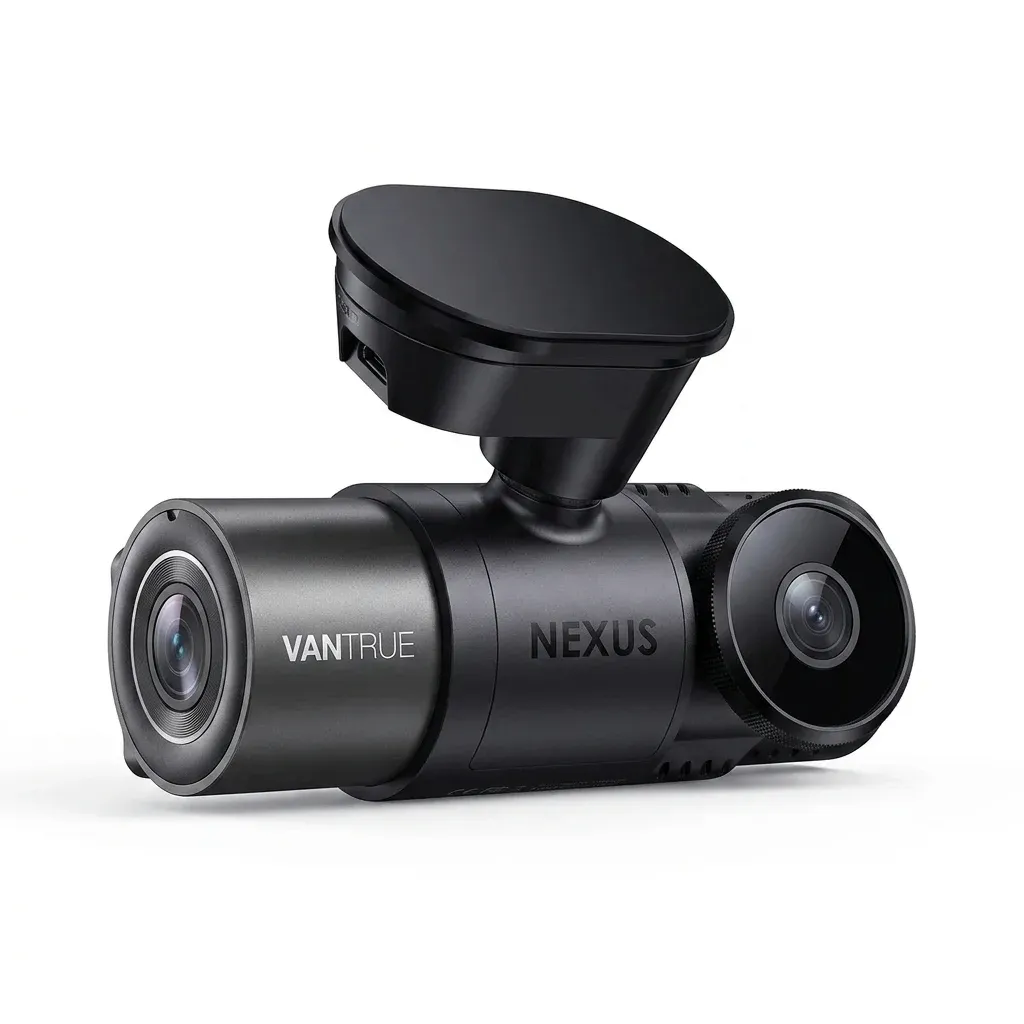
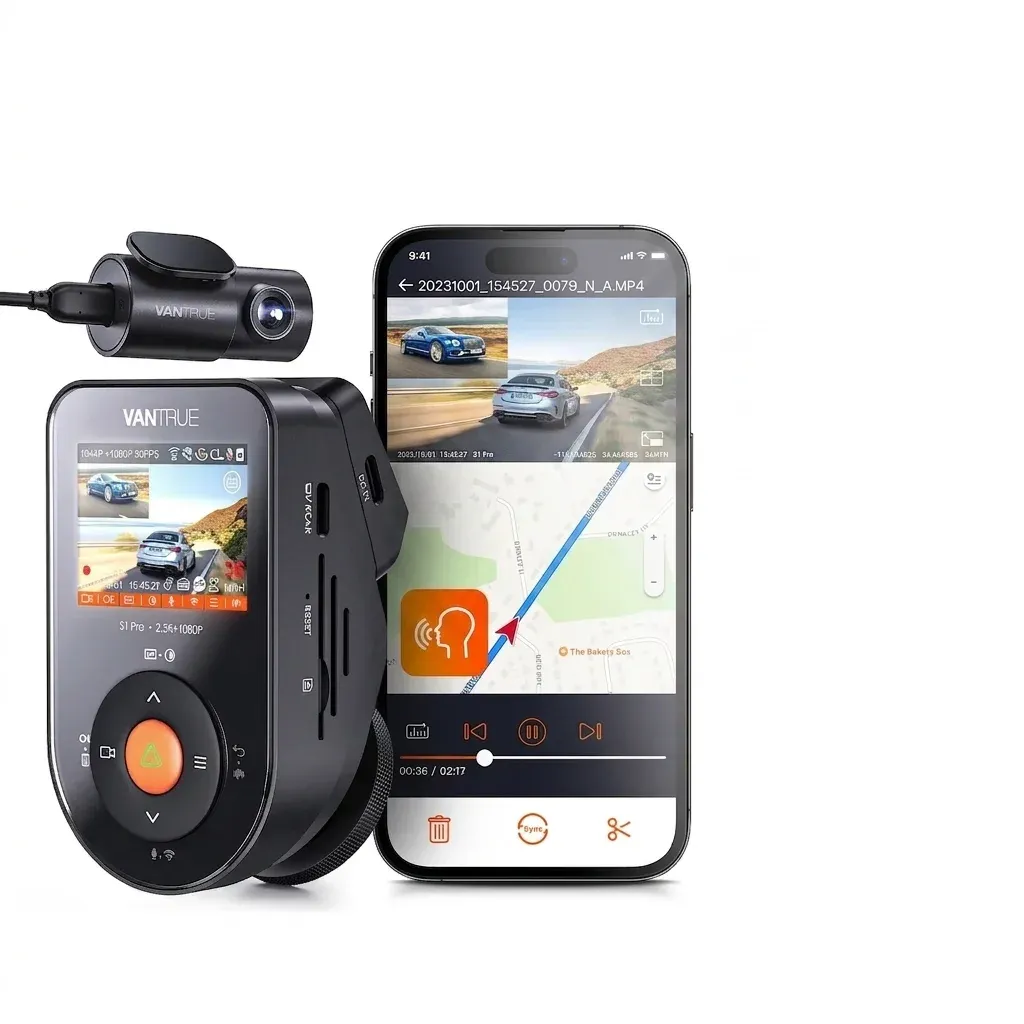
Users who run multi-channel dash cams or leave parking monitoring active will notice the difference most. One customer review called it the recommended match for a Vantrue camera, and that brand pairing makes sense when the recorder is expected to write large files repeatedly without hesitation.
Adapter support and transfer speed in daily use
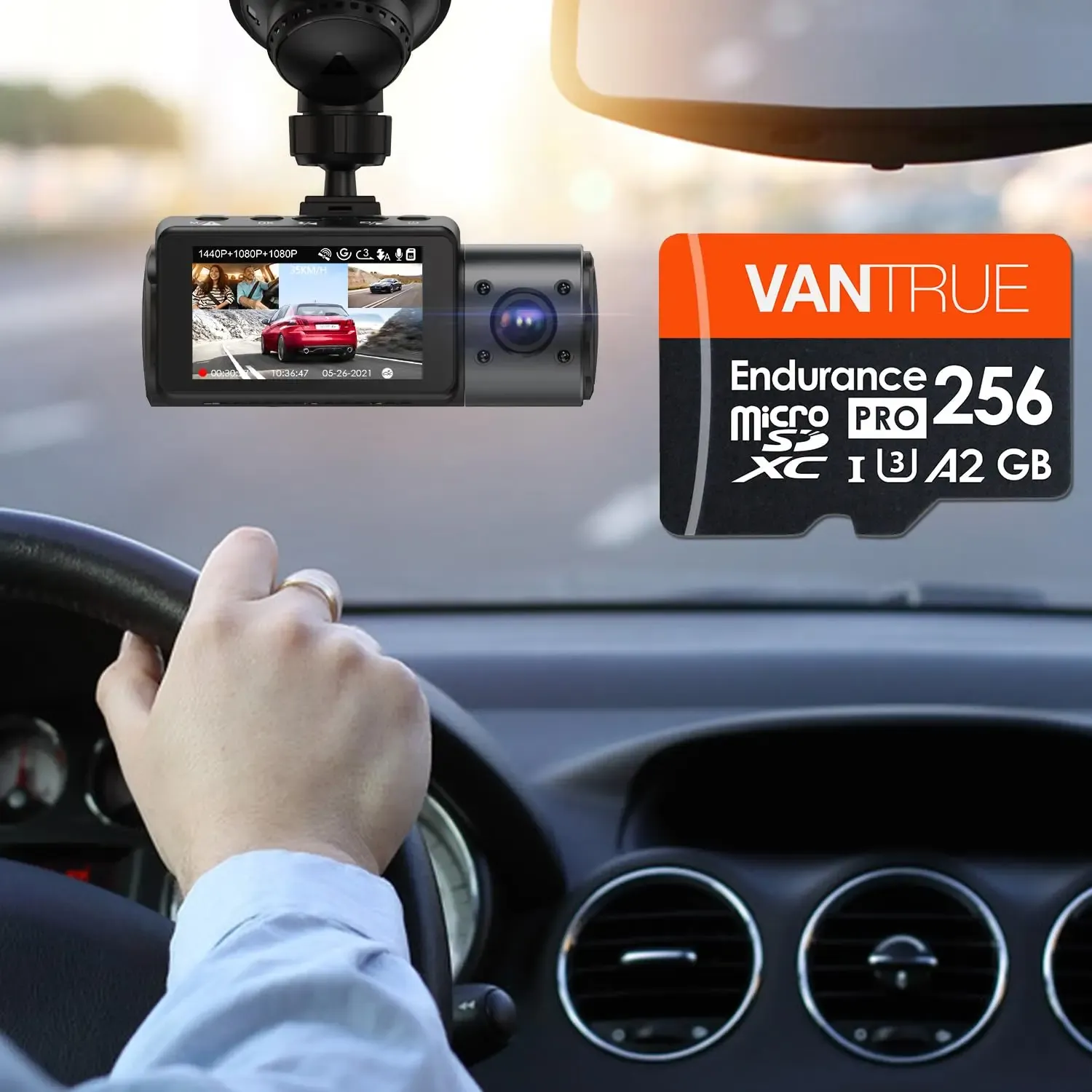
The included adapter makes the card easier to move between a dash cam, a laptop, and a compatible reader without changing your workflow. That is useful when you want to pull footage quickly after an incident, since a direct transfer is faster and cleaner than relying on wireless workarounds.
Because the card is sold as high-speed storage, it is better suited to footage handling than to general-purpose media use. If you regularly export video clips for insurance, fleet tracking, or evidence review, the convenience is more noticeable than the spec sheet alone suggests, so how does it compare with standard cards?
Capacity choices for different recording habits
The product name points to 128GB, 256GB, and 512GB options, which gives buyers room to match capacity to their camera setup. Smaller capacities suit single-channel daily driving, while the larger versions are more practical for 2K or 4K systems that keep a longer loop before overwriting older footage.
That flexibility matters because dash cam users rarely need the same storage profile as phone users. A 512GB card is the safer choice for parking surveillance and long road trips, while 128GB can still be enough if you review clips often, but which option gives the best balance for your setup?
What the real feedback suggests
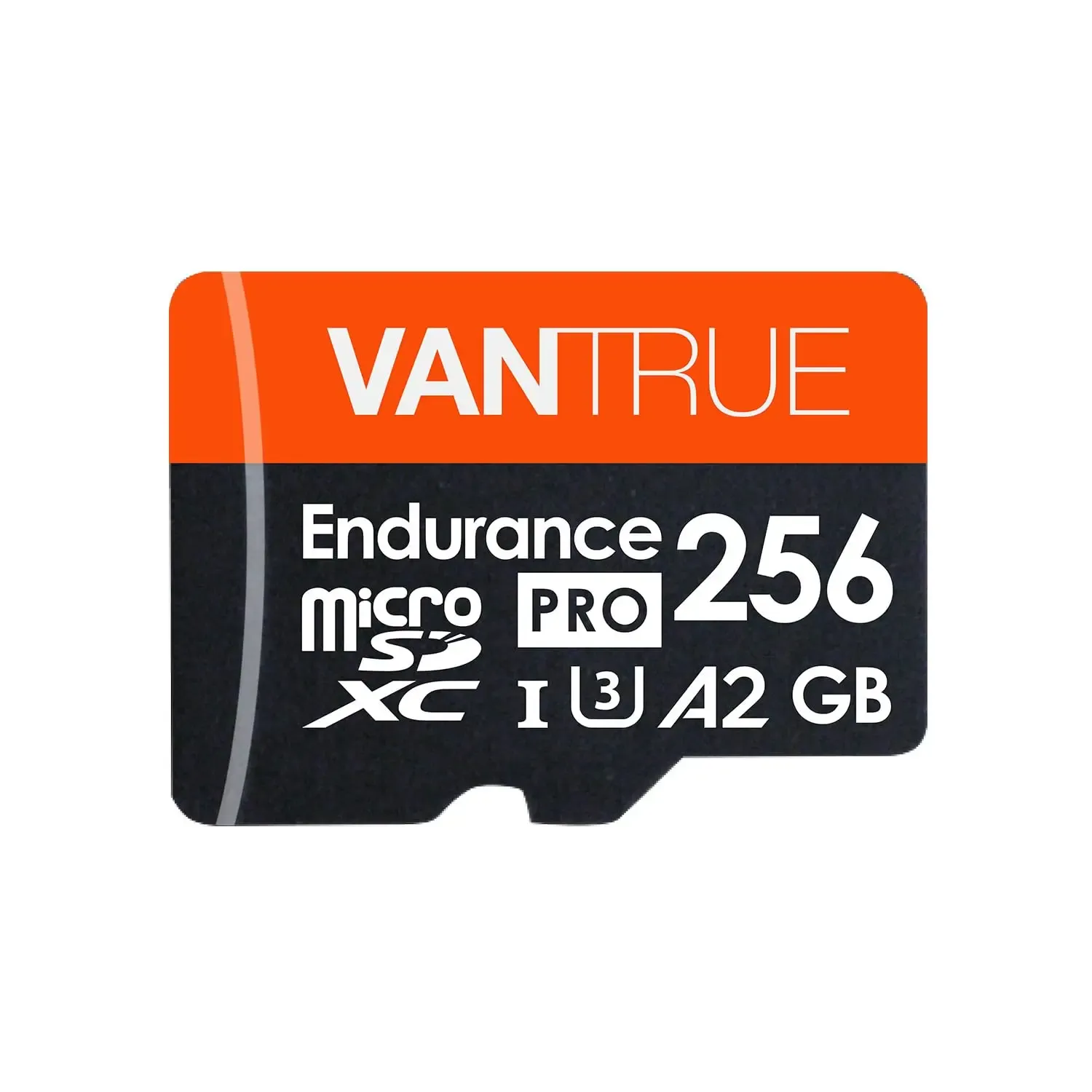
Real AliExpress customers rate the card very highly, with a 4.9/5 average across 19 reviews and a 100% positive rate. The comments are brief but consistent: buyers describe it as matching the listing, working as expected, and pairing well with Vantrue cameras, which supports the impression of a focused accessory rather than a generic rebrand.
The main caution is cost, since one user noted that flash storage can feel expensive. That is not unusual for high-endurance dash cam media, especially when the card is expected to handle constant overwrite cycles, so the real question is whether your recorder needs that level of durability every day.
Best fit for these recording scenarios
Drivers who use parking mode, ride-share operators, and anyone running a 4K dash cam will get the most practical value from this card. It is also a sensible match for buyers who want one storage solution they can trust across daily commuting, security recording, and quick evidence export.
- Designed for dash cam and monitoring workloads
- Supports 4K UHD recording at 3840x2160
- UHS-I U3 speed class for sustained video writes
- Includes adapter for easier file transfer
- Available in 128GB, 256GB, and 512GB capacities
- Strong user feedback with 4.9/5 average rating