





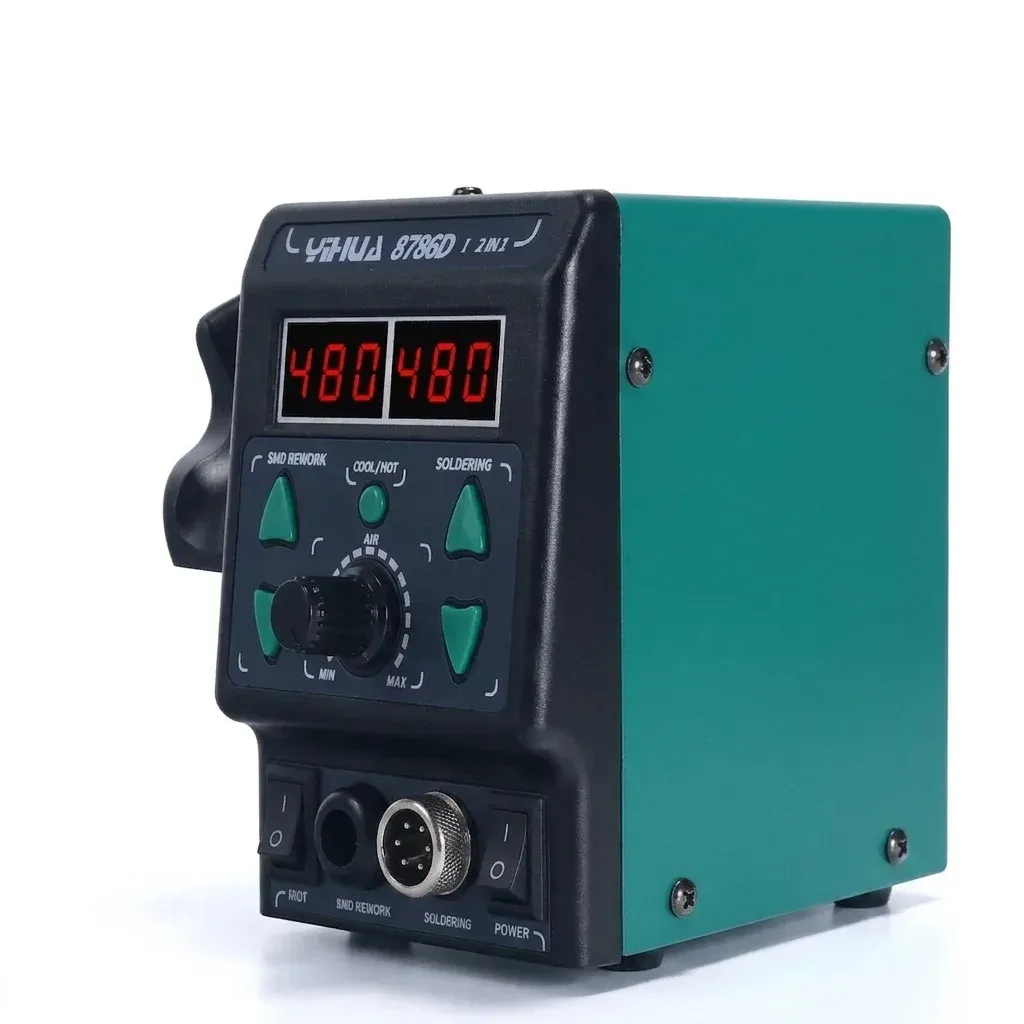

Fast heat-up changes the way bench work feels
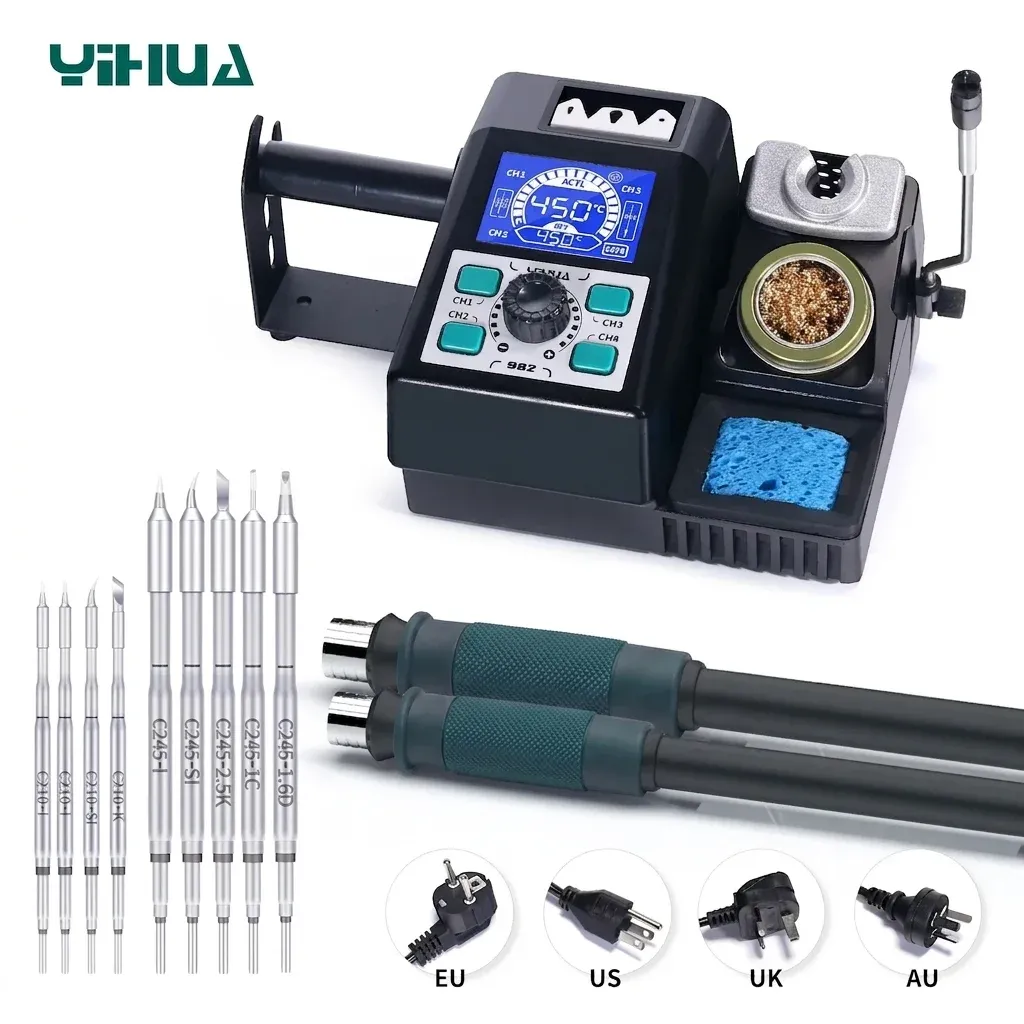
The first thing that matters here is speed, because slow recovery turns fine soldering into a waiting game. YIHUA’s 982 is designed around rapid heating, and users consistently note that it reaches working temperature in seconds rather than dragging through a long warm-up.
That matters most on SMD pads, small connectors, and rework jobs where the tip loses heat the moment it touches a joint. If your current iron struggles to keep up, this station is built to feel more immediate and controlled, so what does that mean when you move from theory to real boards?
C210 compatibility and why it suits precision work
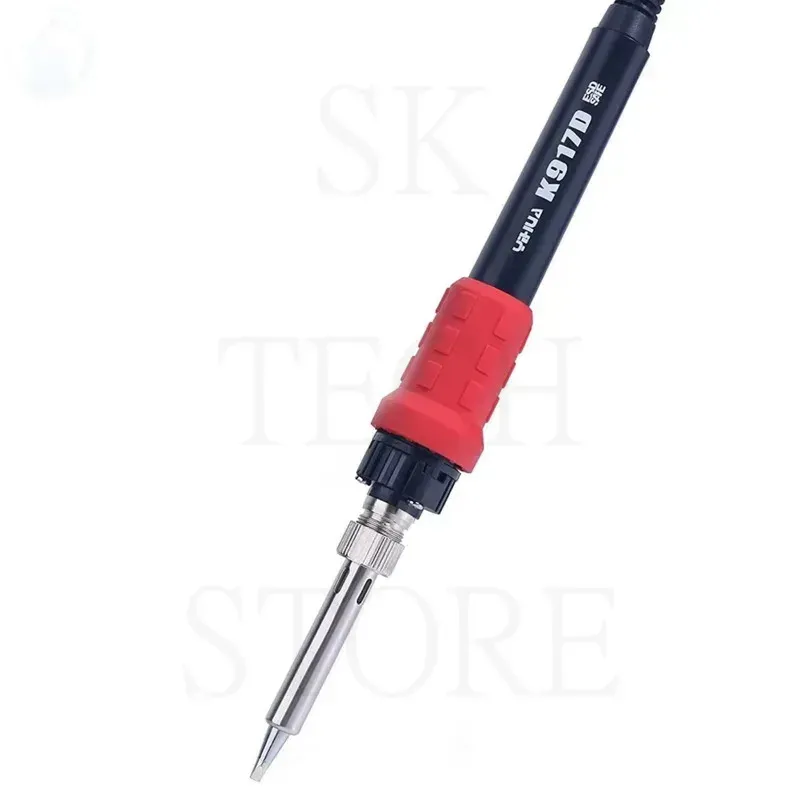
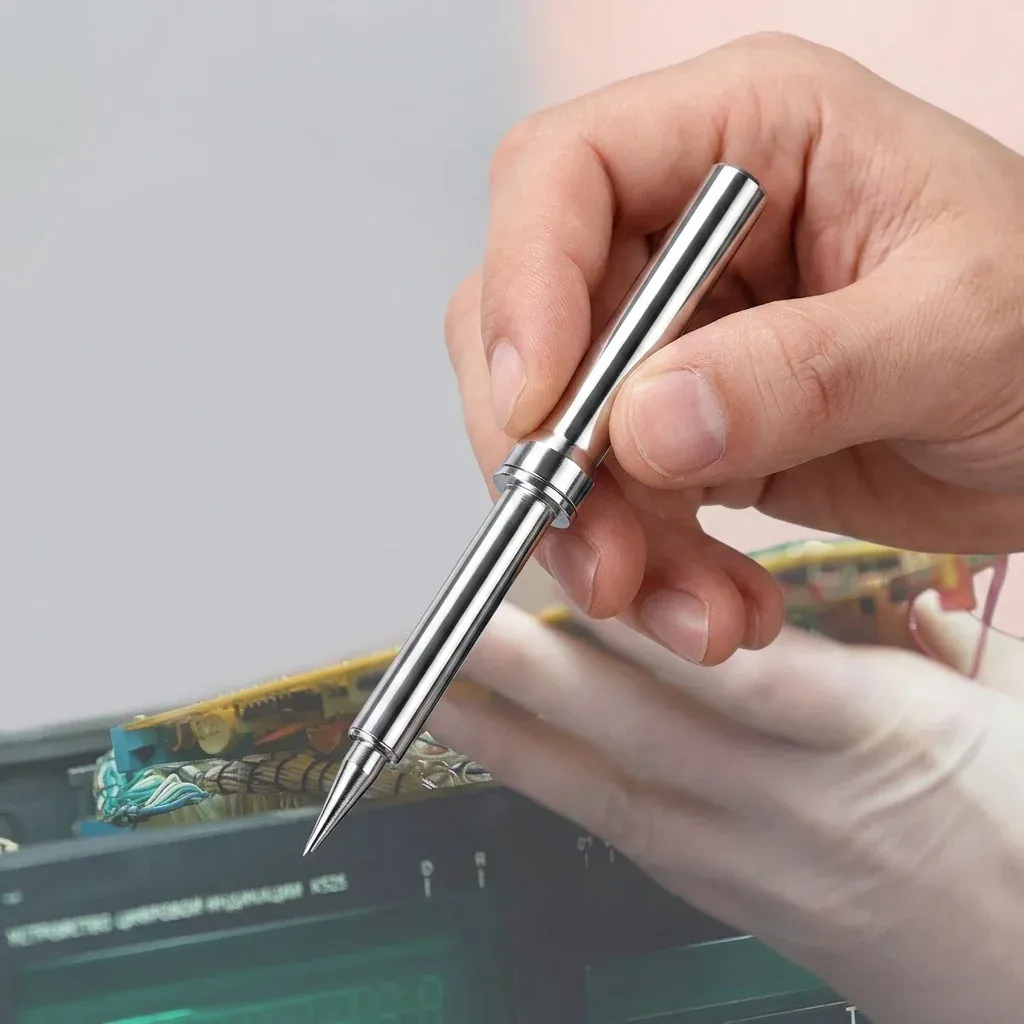
This station is made for C210-style handling, which is the part that gives it a sharper, more compact feel than bulkier entry-level soldering kits. The smaller tip format helps when you need to see the pad clearly, keep the hand steady, and avoid flooding nearby components with extra heat.
That makes it a practical fit for phone repair, small PCB work, and delicate soldering around tight component spacing. Users also mention good heat stability once the tip is loaded, which is the real test for clean joints rather than just a fast startup.
What the build quality suggests on the desk
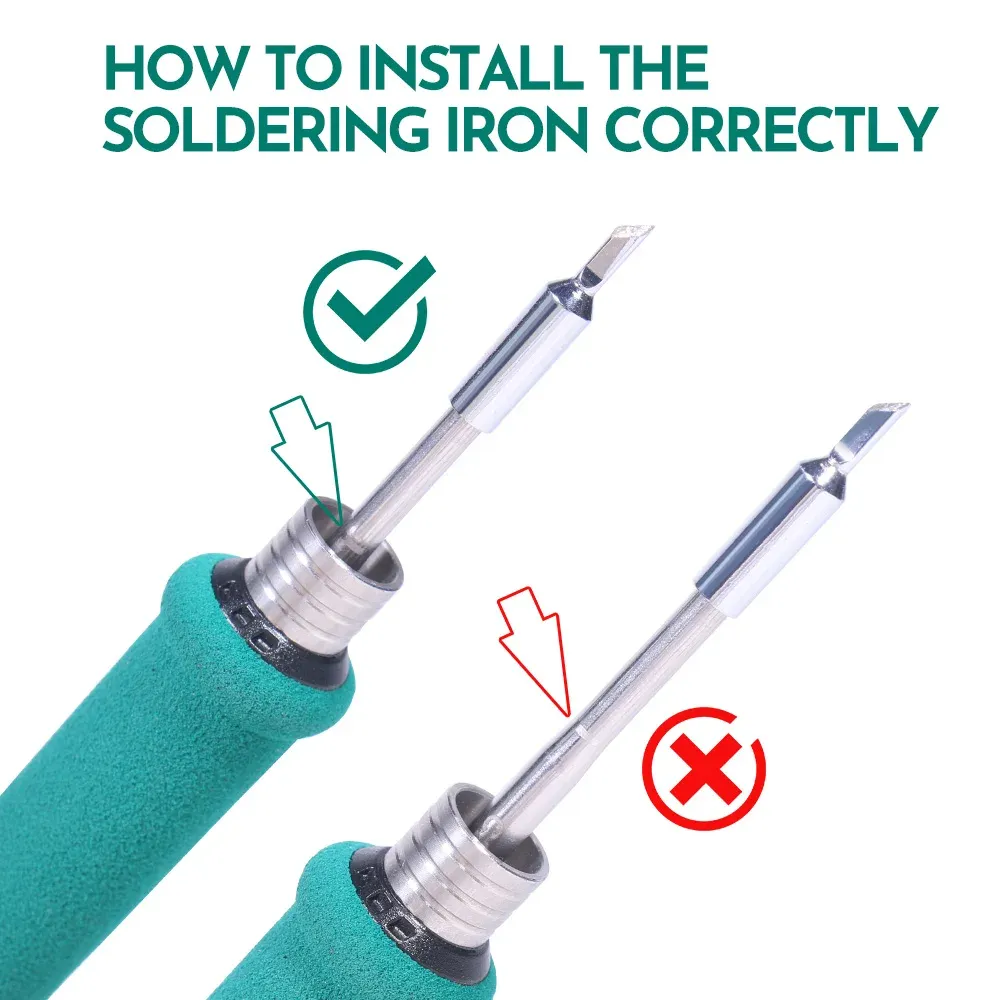
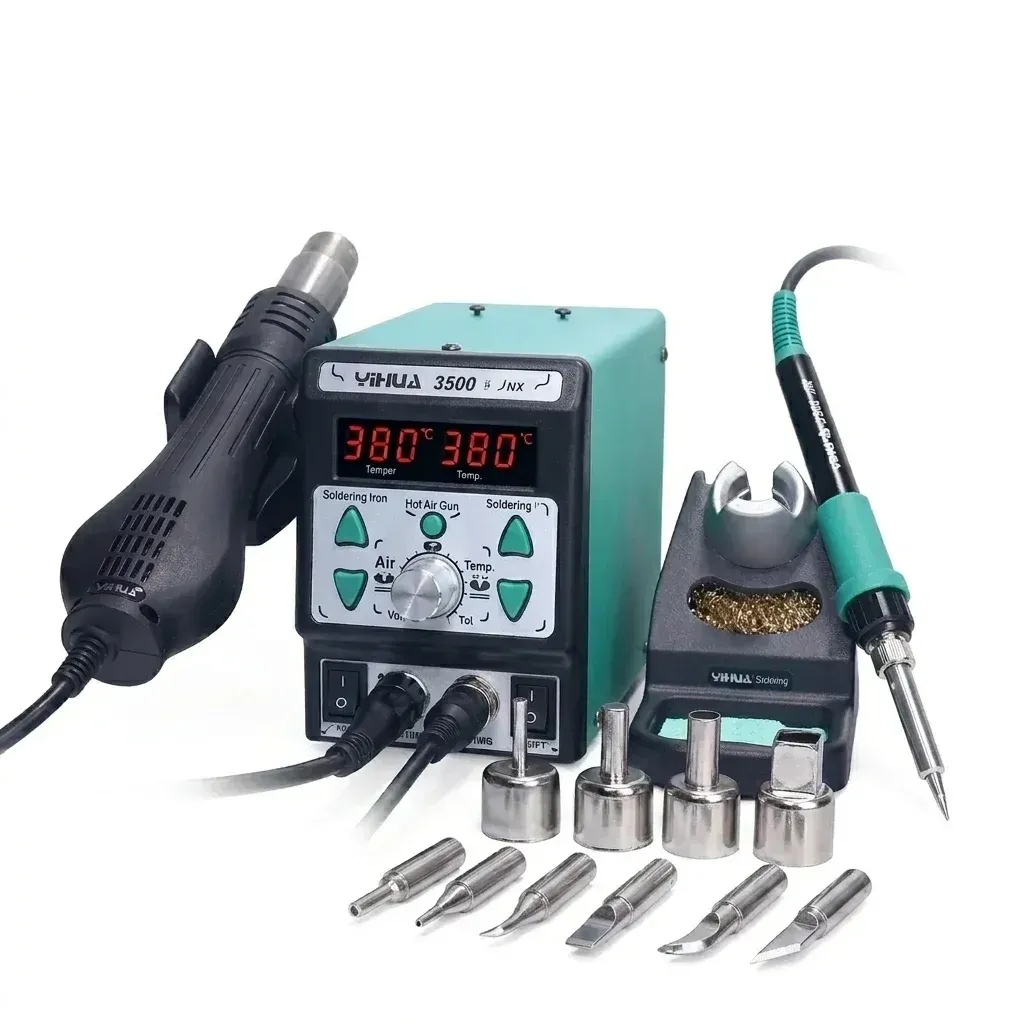
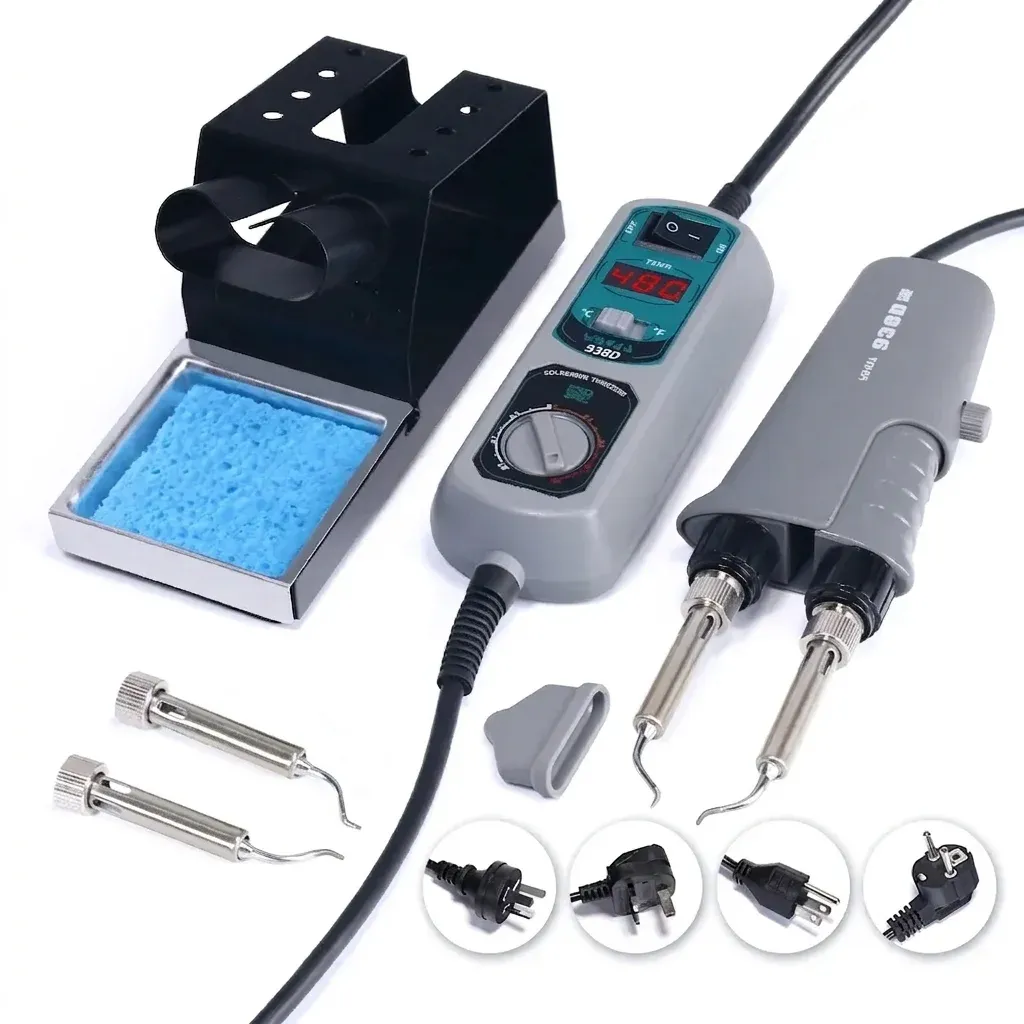
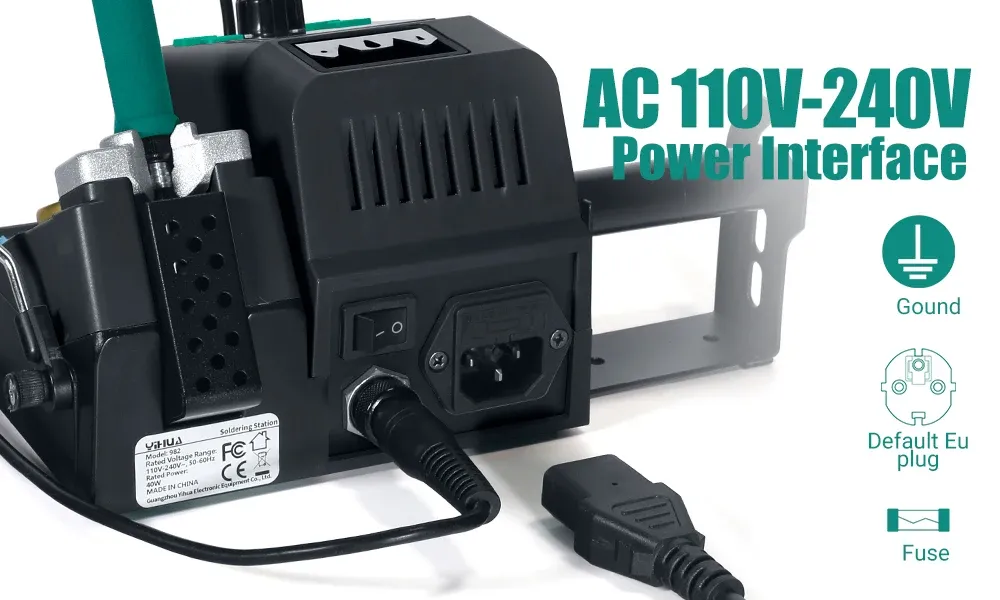
YIHUA has a solid reputation in the AliExpress soldering niche because it tends to deliver sensible feature sets with fewer gimmicks. The 982 follows that pattern with CE, FCC, and UL certifications listed, plus a station layout that appears aimed at daily bench use rather than casual hobby display.
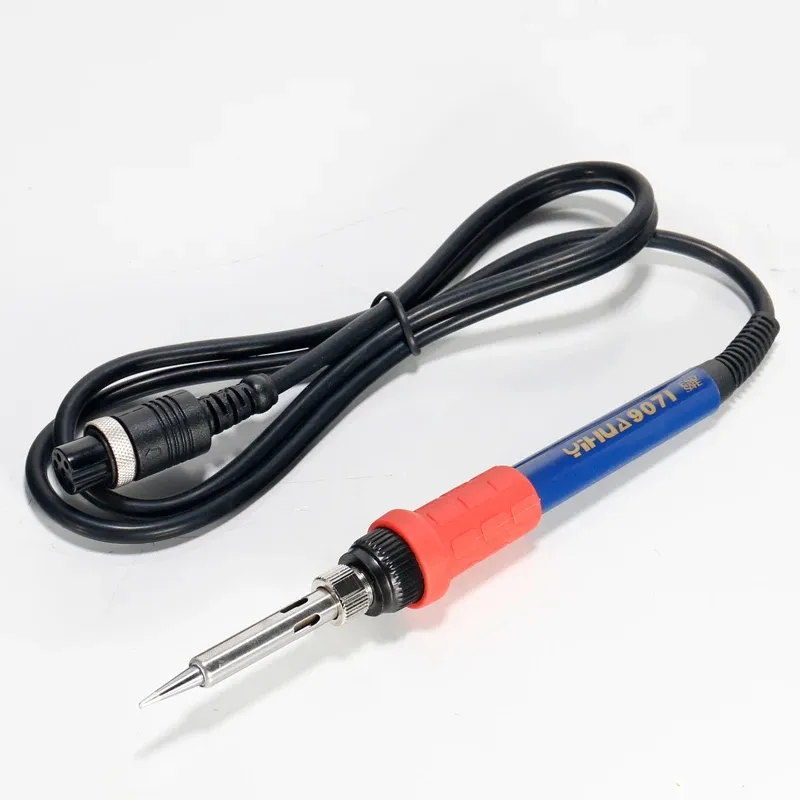
Reviews describe the handle as comfortable, with a cable and strain relief that feel better than the cheapest clone stations, and the unit itself is reported to arrive well packaged. One customer even called it a strong value-to-performance JBC-style clone, which is useful context if you are comparing it with more expensive branded systems.
Controls that stay useful instead of getting in the way
A good soldering station should be easy to live with, not just impressive on paper. The 982 is described as straightforward to set up, with accessible controls and an option to silence the temperature-change beep, which is the sort of small detail that matters during longer repair sessions.
The station also seems to suit users who want repeatable temperature behavior rather than constant fiddling. If you work on mixed boards, that predictability can save time and reduce the temptation to overheat pads, so how does it compare with a basic plug-in iron?
Where it beats a basic soldering iron
Compared with a standard fixed-watt iron, this station offers faster response, more precise control, and a more stable feel during longer jobs. That translates into cleaner joints, less dwell time on sensitive parts, and a better chance of preserving lifted pads or fragile traces.
The trade-off is that this is still a specialist bench tool, not a universal all-in-one repair center. It is strongest for users who already know they need controlled heat and compact tips, and the real value shows up when you start doing repeated micro-soldering instead of one-off household fixes.
Included impressions from real users
Customer feedback is strongly positive, with repeated mentions of instant heating, solid solder flow, and good temperature precision. The most useful pattern is not hype but consistency: users keep describing it as a station that performs better than expected for the money, which is a meaningful signal in this category.
There is one compatibility detail to watch closely, though, because the handle and plug ecosystem are not interchangeable with every YIHUA or JBC-style setup. That is the kind of detail that can save a return later, and it leads directly into the practical limits to keep in mind.